Fashion is no longer limited to fabric and stitching. Accessories, structural elements, and statement details now define how collections stand out in a crowded market. Designers are constantly searching for ways to combine precision with individuality. Increasingly, laser cut files are becoming part of that creative toolkit, allowing fashion creators to transform digital concepts into wearable statements with accuracy and speed.
From independent designers to small-batch brands, digital cutting technology is reshaping how accessories are developed and produced.
The Rise of Structured Accessories in Contemporary Fashion
Over the past decade, fashion has embraced geometric precision. Layered earrings, architectural necklaces, engraved clutch panels, and decorative belt accents are now common in both runway and boutique collections.
Laser-based production supports this shift by enabling:
- Intricate geometric jewellery
- Layered statement earrings
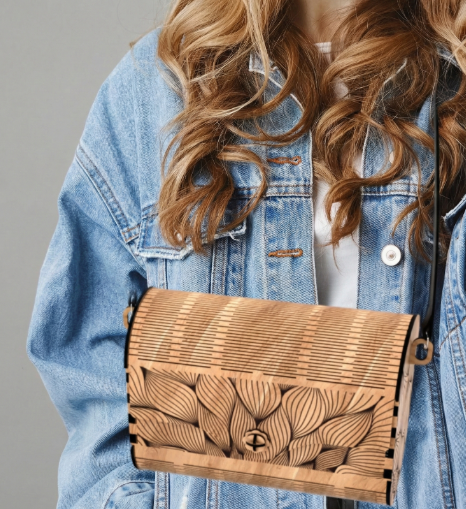
- Engraved handbag details
- Decorative garment inserts
- Branded logo accessories
Unlike traditional hand-cut methods, laser technology ensures repeatability — an essential factor for designers who want consistency across limited collections.
Digital Files vs Traditional Crafting Methods
Before laser-ready templates became widely accessible, creating detailed accessory components required either hand-cutting expertise or outsourcing to specialised workshops.
Today, designers face two primary approaches:
1. Traditional Manual Crafting
Advantages:
- Fully handmade uniqueness
- Organic imperfections that add character
- No reliance on digital systems
Limitations:
- Time-intensive production
- Lower scalability
- Higher inconsistency between pieces
2. Laser Cut File-Based Production
Advantages:
- High precision and symmetry
- Faster production cycles
- Easy scaling for small collections
- Clean professional finish
Limitations:
- Requires access to laser equipment
- Initial learning curve
- Overuse of generic designs can reduce originality
For modern fashion entrepreneurs, the second approach often provides a balance between creativity and operational efficiency.
Free vs Paid Laser Cut Files for Fashion Projects
Another important distinction lies in the type of digital files used. Not all templates offer the same level of detail or usage rights.
Free laser cut files are ideal for:
- Testing material compatibility
- Practicing machine calibration
- Experimenting with small accessory pieces
Paid laser cut files typically provide:
- More complex layered designs
- Commercial usage permissions
- Optimised cutting paths
- Detailed assembly instructions
For emerging fashion brands, investing in well-structured ready-made files can reduce product development time while maintaining high aesthetic standards. Platforms like LaserSVGTemplates offer both free starter designs and premium laser cut files, making it easier to move from experimentation to market-ready accessories.
The Business Impact on Boutique Fashion Brands
In fashion, speed often determines relevance. Trends move quickly, and the ability to prototype and launch accessories rapidly can define success.
Laser-ready digital files support:
- Faster trend response
- Small-batch production models
- Customisation for niche audiences
- Reduced sampling waste
However, differentiation remains crucial. Designers must customise materials, finishes, and combinations rather than relying solely on template popularity.
When used strategically, laser cut files become a production advantage — not a shortcut.
Where Digital Precision Meets Creative Identity
Fashion thrives on identity. While technology provides tools, it does not replace vision. The strongest results appear when designers treat digital templates as foundations rather than final products.
Laser cut files allow creators to focus less on technical drawing precision and more on styling, branding, and material storytelling. With access to both free and ready-made paid options, fashion entrepreneurs can experiment, refine, and scale with confidence.
In a market where detail defines distinction, digital precision paired with creative direction may be one of the most powerful combinations shaping modern fashion accessories today.
Frequently Asked Questions
1. What are laser cut files in fashion design?
Laser cut files are digital vector templates used to guide laser cutting machines in producing precise accessory components such as jewellery pieces, bag details, garment inserts, and decorative elements. They allow designers to turn digital concepts into physical fashion items with high accuracy.
2. Are laser cut files suitable for small fashion brands?
Yes. Laser cut files are especially beneficial for boutique and small-batch fashion brands because they enable consistent production, faster prototyping, and scalable accessory creation without requiring large manufacturing facilities.
3. What is the difference between free and paid laser cut files?
Free laser cut files are typically simpler and ideal for testing materials or learning machine settings. Paid files often include more intricate layered designs, optimised cutting paths, detailed assembly instructions, and commercial usage rights, making them more suitable for professional fashion production.
4. Do designers still need creativity when using ready-made laser cut files?
Absolutely. While ready-made files provide structural precision, designers still choose materials, finishes, colours, branding elements, and styling combinations. The file supports production, but creative identity remains the key factor that defines a fashion piece.