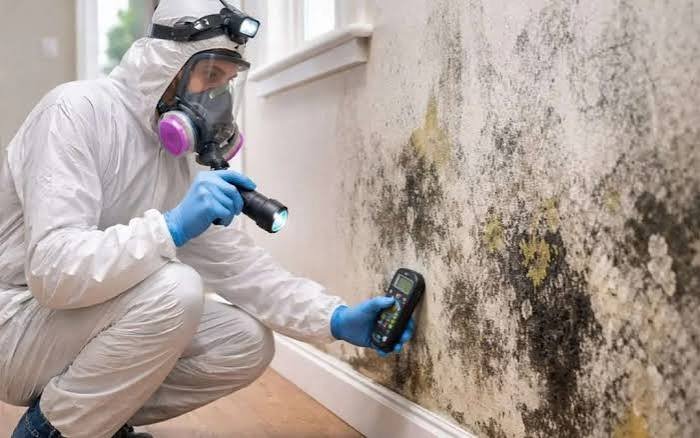
Mold can become a serious concern for homeowners and property owners because it affects more than just the appearance of a building. If moisture and mold problems are ignored, they can spread into walls, ceilings, flooring, insulation, and other areas, potentially leading to expensive repairs and making a property more difficult to sell or rent. Hiring a professional Mold Remediation Company can help address the source of the problem, remove affected materials when necessary, and restore the property to a cleaner and safer condition. Professional remediation can also protect long-term property value by preventing a small moisture issue from becoming a much larger structural and financial problem.
Why Mold Can Affect Property Value
Property value is influenced by many factors, including location, condition, maintenance, and the overall quality of the building. Mold can negatively affect several of these factors at the same time.
Visible mold, persistent musty odors, water stains, damaged materials, or a history of moisture problems can make buyers and renters hesitant. Even when mold is not visible, evidence of an unresolved moisture issue can raise concerns during inspections.
Addressing mold professionally demonstrates that the property has been properly maintained and that moisture-related problems have not simply been covered up.
Mold Is Often a Sign of a Moisture Problem
Mold does not normally appear without moisture.
Leaks, flooding, condensation, plumbing failures, roof problems, poor ventilation, and humidity can create conditions where mold grows. If the moisture source is not corrected, simply cleaning visible mold may not solve the problem.
Finding the Source of Moisture
Professional remediation begins with understanding why mold developed.
A qualified remediation team can investigate areas affected by water damage and identify conditions that may be supporting mold growth. Depending on the situation, this may involve inspecting plumbing, roofing, ventilation, walls, ceilings, flooring, or other building components.
Why Moisture Control Matters
Removing mold without addressing the moisture source can allow the problem to return.
For this reason, professional remediation focuses on both the visible mold and the environmental conditions that contributed to its growth. Controlling moisture helps protect the property from repeated damage.
Professional Mold Remediation Helps Prevent Structural Damage
One of the biggest risks associated with prolonged moisture and mold is damage to building materials.
Mold can develop on materials such as drywall, wood, insulation, carpeting, and other porous surfaces. When moisture remains present for an extended period, these materials can deteriorate.
Protecting Walls and Ceilings
Water-damaged walls and ceilings can develop stains, soft areas, odors, and deterioration.
Professional remediation can determine whether affected materials can be cleaned or need to be removed and replaced. Addressing these problems early can reduce the extent of repairs.
Protecting Wood Components
Wood can absorb moisture and remain damp for long periods.
When moisture problems are left unresolved, wood components may deteriorate and become more difficult and expensive to restore. Prompt remediation helps property owners address affected areas before damage becomes more extensive.
Mold Remediation Can Reduce Repair Costs
Ignoring a mold problem rarely makes it less expensive.
A small area of mold may eventually spread if the underlying moisture issue remains unresolved. As more materials become affected, removal and restoration can become increasingly complicated.
Professional remediation provides a proactive approach. Identifying and addressing the problem early can reduce the amount of material requiring replacement and help prevent additional property damage.
Protecting Property Appearance
First impressions matter when selling or renting a property.
Visible mold, water stains, damaged flooring, and unpleasant odors can make a property appear poorly maintained. Even if the underlying building is otherwise in good condition, these signs can reduce buyer confidence.
Professional remediation helps restore affected areas and allows necessary repairs to be completed properly.
Eliminating Persistent Musty Odors
A persistent musty smell can be an indication of moisture or microbial growth.
Simply using air fresheners may temporarily mask the odor without addressing its source. Professional remediation focuses on identifying and correcting the underlying issue.
Mold Can Complicate Property Inspections
Property inspections are an important part of many real estate transactions.
Inspectors may identify visible mold, moisture damage, staining, odors, or other signs that suggest a potential problem. These findings can lead buyers to request additional evaluations or repairs before completing a purchase.
A documented history of professional remediation can provide useful information about how the issue was handled.
Professional Documentation Can Support Property Transactions
Documentation can be valuable when dealing with previous mold or water damage.
A professional remediation company may provide information about the affected areas, work performed, and restoration process. Keeping records can help property owners explain how a previous issue was addressed.
Why Documentation Builds Buyer Confidence
Buyers are generally more comfortable when property problems have been professionally investigated and resolved.
Clear records demonstrate that the owner took action rather than ignoring the problem. This can make conversations with potential buyers, inspectors, and other professionals easier.
Preventing Mold From Returning
Effective remediation is not simply about removing visible growth.
Preventing recurrence requires controlling the conditions that allowed mold to develop in the first place.
Improving Ventilation
Poor ventilation can allow moisture to accumulate indoors.
Bathrooms, kitchens, basements, laundry areas, and other moisture-prone spaces may benefit from improved ventilation and appropriate exhaust systems.
Managing Indoor Moisture
Keeping indoor moisture under control can reduce conditions that support mold growth.
Property owners should address leaks promptly, maintain plumbing systems, repair roof problems, and monitor areas where condensation commonly occurs.
Professional Remediation vs. DIY Mold Removal
Small surface areas may sometimes appear easy to clean, but mold problems can be more complicated than they look.
DIY cleaning may remove visible growth without addressing hidden contamination or the source of moisture. Aggressive cleaning can also disturb affected materials and spread particles to other areas.
Professional remediation teams have specialized training, equipment, and procedures for managing larger or more complicated situations.
How Professional Mold Remediation Works
The exact process depends on the property’s condition, but professional remediation generally follows a structured approach.
Step 1: Property Assessment
The remediation team evaluates the affected areas and looks for signs of moisture and mold growth.
This helps determine the scope of the problem and what steps are needed.
Step 2: Containment
When necessary, affected areas can be isolated to help prevent the spread of contamination to unaffected parts of the property.
Containment procedures are particularly important when mold growth is extensive.
Step 3: Mold Removal
Affected materials are cleaned, treated, or removed depending on their condition.
Porous materials that cannot be adequately restored may require replacement.
Step 4: Moisture Correction
The source of moisture must be addressed to reduce the possibility of recurring growth.
This may involve repairing leaks, improving ventilation, drying affected areas, or correcting other moisture-related issues.
Step 5: Cleaning and Restoration
Once remediation is complete, affected areas can be cleaned and restored.
Replacing damaged drywall, flooring, insulation, or other materials can help return the property to a normal condition.
Mold Remediation Protects Rental Property Value
Landlords and property managers have an additional reason to address mold promptly.
Tenants expect rental properties to be properly maintained. Persistent mold, odors, or moisture damage can negatively affect tenant satisfaction and potentially increase turnover.
Regular property inspections and prompt remediation can help preserve the condition and attractiveness of rental units.
Commercial Property Value and Mold
Mold can also affect offices, retail properties, warehouses, apartment buildings, and other commercial spaces.
Commercial properties often have larger areas, complex HVAC systems, and higher occupancy levels. An unresolved moisture or mold issue can disrupt normal operations and increase restoration expenses.
Professional remediation allows property owners and managers to address problems systematically while protecting the condition of the building.
Insurance and Mold Damage
Insurance coverage for mold-related problems varies depending on the policy and the cause of the damage.
For example, mold resulting from certain covered water damage may be treated differently from mold caused by long-term maintenance issues.
Property owners should review their insurance policy and maintain documentation related to water damage and remediation. Professional records may be useful when communicating with insurers or restoration professionals.
Regular Property Maintenance Helps Prevent Mold
Professional remediation is important when mold develops, but prevention begins with regular property maintenance.
Property owners should monitor plumbing, roofs, gutters, windows, HVAC systems, basements, bathrooms, and other moisture-prone areas.
Promptly addressing leaks and water intrusion can prevent moisture from creating favorable conditions for mold growth.
The Long-Term Value of Professional Remediation
Professional mold remediation should be viewed as an investment in the property rather than simply an expense.
Addressing mold early can help protect structural materials, preserve appearance, reduce the possibility of recurring problems, and make future property transactions easier.
A well-maintained property is generally more attractive to buyers and tenants than one with unresolved moisture or mold concerns.
When Should You Contact a Mold Remediation Professional?
Property owners should consider professional assistance when mold covers a significant area, returns after cleaning, is associated with substantial water damage, appears inside walls or ceilings, or is accompanied by persistent moisture and odors.
Professional evaluation is particularly valuable when the extent of the problem is unclear.
Conclusion
Professional mold remediation can play an important role in protecting property value by addressing mold growth, identifying moisture sources, preventing further damage, and restoring affected areas. Ignoring mold can allow moisture-related problems to become more extensive, potentially increasing repair costs and creating concerns during future property inspections or transactions. By responding promptly and keeping documentation of the work performed, property owners can demonstrate that the building has been responsibly maintained. If you discover mold or ongoing moisture problems, working with a qualified Mold Remediation Service can help protect the condition, usability, and long-term value of your property.