Picture this: a cyclist weaving through morning traffic, both ears plugged with noise-canceling earbuds, completely absorbed in a podcast. A car horn blares from the left — too late to react. Near-misses like this happen every day to commuters who rely on traditional headphones while biking, running, or walking to work.
As audio devices become a staple of the daily commute, so do the safety concerns surrounding them. Cyclists, pedestrians, and runners face real risks when their ears are sealed off from the world around them. Blocked ambient sound means missed warnings — whether it’s an approaching vehicle, a fellow commuter calling out, or a sudden hazard ahead.
Bluetooth glasses are emerging as a smarter, safer alternative. By integrating open-ear audio technology directly into lightweight eyewear frames, they let commuters enjoy music, calls, and navigation cues without losing touch with their environment. Built from durable materials and designed for an active lifestyle, these glasses represent a meaningful shift in how we think about wearable audio.
This article explores how Bluetooth glasses address the core safety challenges active commuters face — breaking down the technology behind them, offering a practical guide to choosing the right pair, and sharing best practices for using them responsibly on the go.
The Safety Risks of Traditional Audio for Active Commuters
Every year, thousands of pedestrian and cyclist injuries involve distracted behavior — and audio devices are increasingly part of that picture. A study published in Injury Prevention found that headphone use was a contributing factor in a significant portion of pedestrian fatalities involving trains and vehicles. For active commuters, the math is simple and sobering: sealed ears equal slower reactions.
The core problem with traditional earbuds and over-ear headphones is acoustic isolation. These devices are engineered to block outside noise — which is great for a quiet office but dangerous on a busy street. When both ear canals are occupied, commuters lose the ability to hear approaching vehicles, cyclists calling out to pass, emergency sirens, or the subtle audio cues that signal a hazard just around the corner. Noise-canceling technology amplifies this risk further by actively suppressing the ambient sounds that keep people safe.
Runners face similar exposure. A pedestrian jogging along a shared path with earbuds in may not hear a cyclist approaching from behind, a dog off-leash, or a shout from a construction worker nearby. The instinctive response to auditory warnings — stepping aside, braking, looking up — simply cannot happen if the warning never registers.
Beyond physical danger, there’s a legal dimension. Several cities and regions have introduced or are considering restrictions on headphone use while cycling, reflecting growing recognition of the risk. Active commuters clearly need an audio solution that keeps them connected to their music and calls without cutting them off from the world — and that’s precisely where a new category of wearable technology steps in.
How Bluetooth Glasses Enhance Commuter Safety: Core Technologies
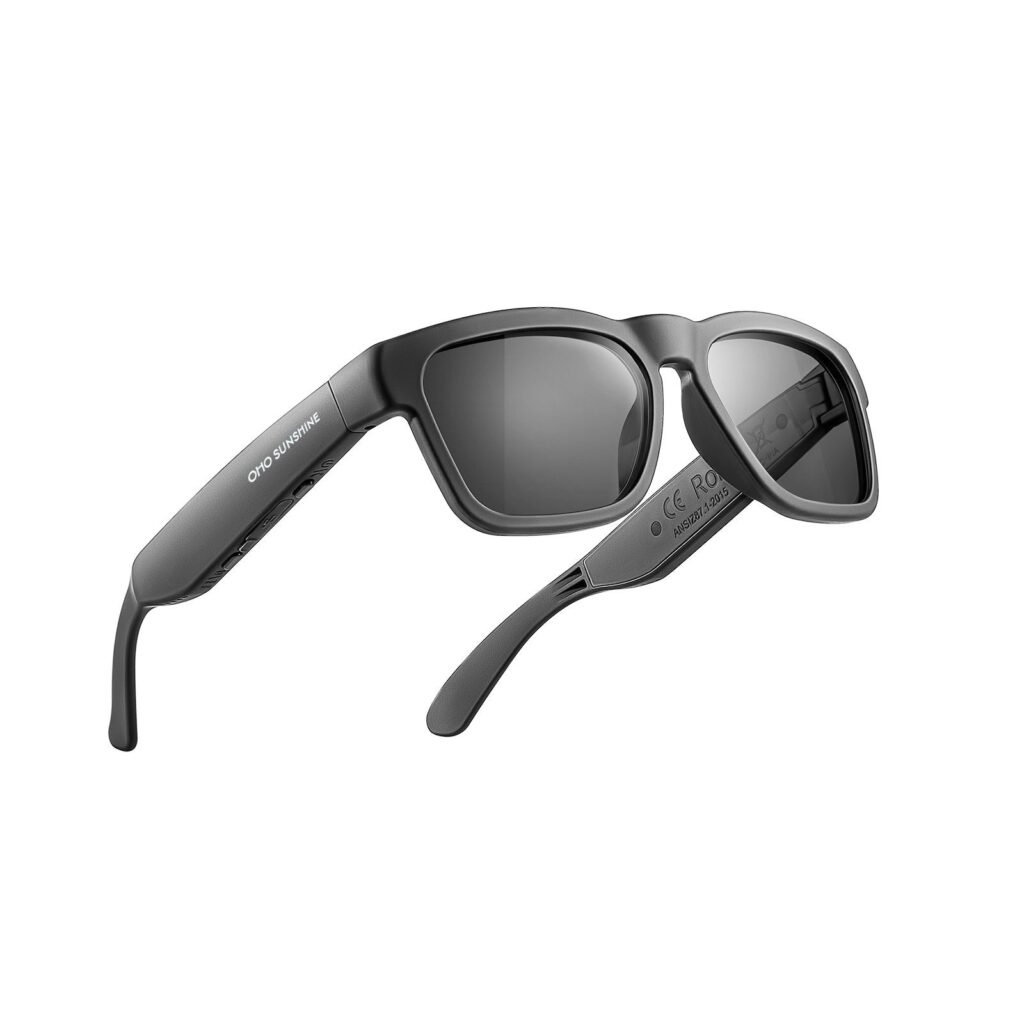
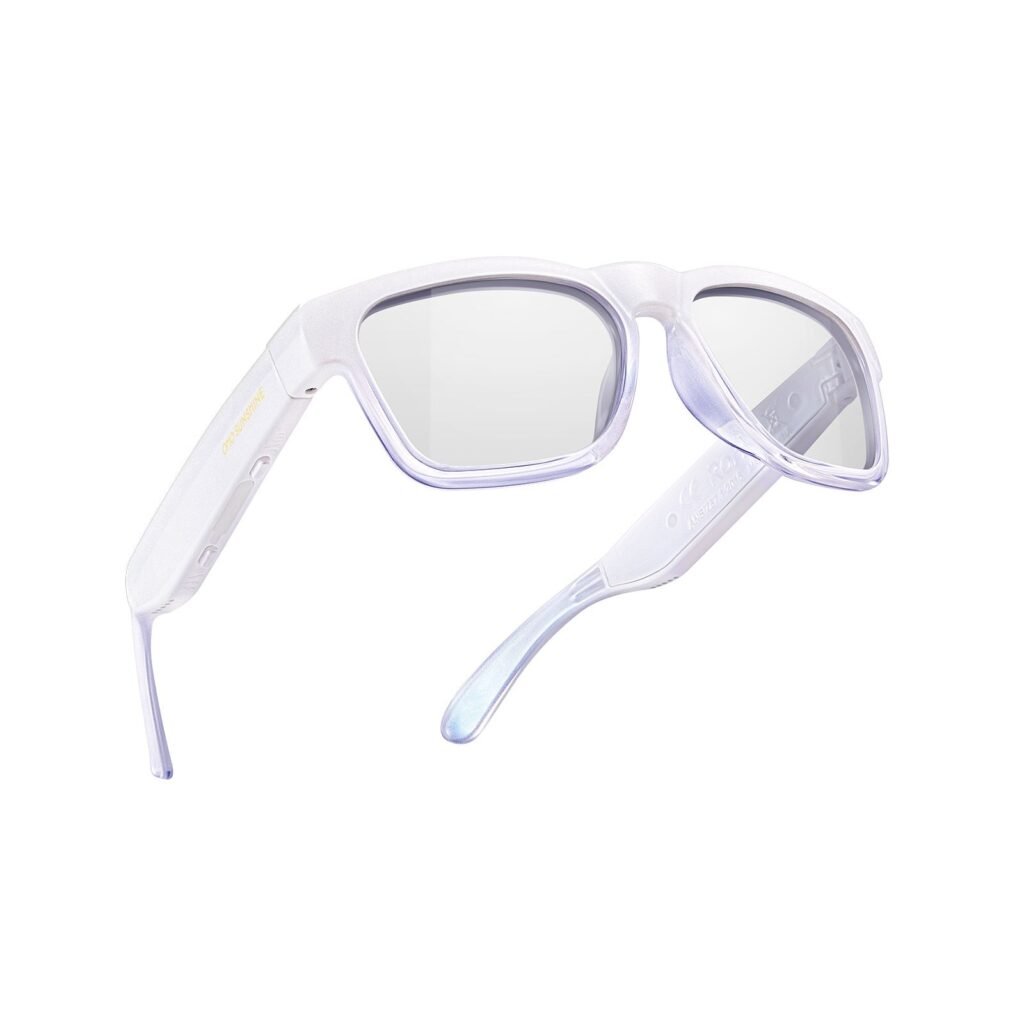
Bluetooth glasses aren’t just a novelty — they’re a genuinely functional safety tool that rethinks how active commuters interact with audio. Unlike traditional headphones, these devices sit on your face like ordinary eyewear while quietly delivering sound through speakers positioned near — but not inside — the ears. The result is a hands-free, ear-free audio experience that keeps commuters connected without cutting them off from their environment. Two technologies sit at the heart of this safety advantage: open-ear audio and the use of advanced frame materials like TR90.
Open-Ear Audio: Maintaining Situational Awareness
Open-ear audio works by directing sound toward the ear canal through small speakers built into the temple arms of the glasses frame, without physically sealing or entering the ear. This approach — sometimes called bone conduction or near-ear directional audio — means the ear canal stays completely unobstructed. Commuters can hear their playlist or take a phone call while simultaneously picking up the sounds around them: a car pulling out of a driveway, a cyclist calling “on your left,” or a crossing signal changing. Compare this to traditional earbuds, which physically block the ear canal and muffle external sound by design. Even at moderate volumes, open-ear audio allows ambient noise to reach the listener naturally, preserving the instinctive reaction time that keeps people safe in dynamic outdoor environments.
Durability and Flexibility: The Role of TR90 and Lightweight Frames
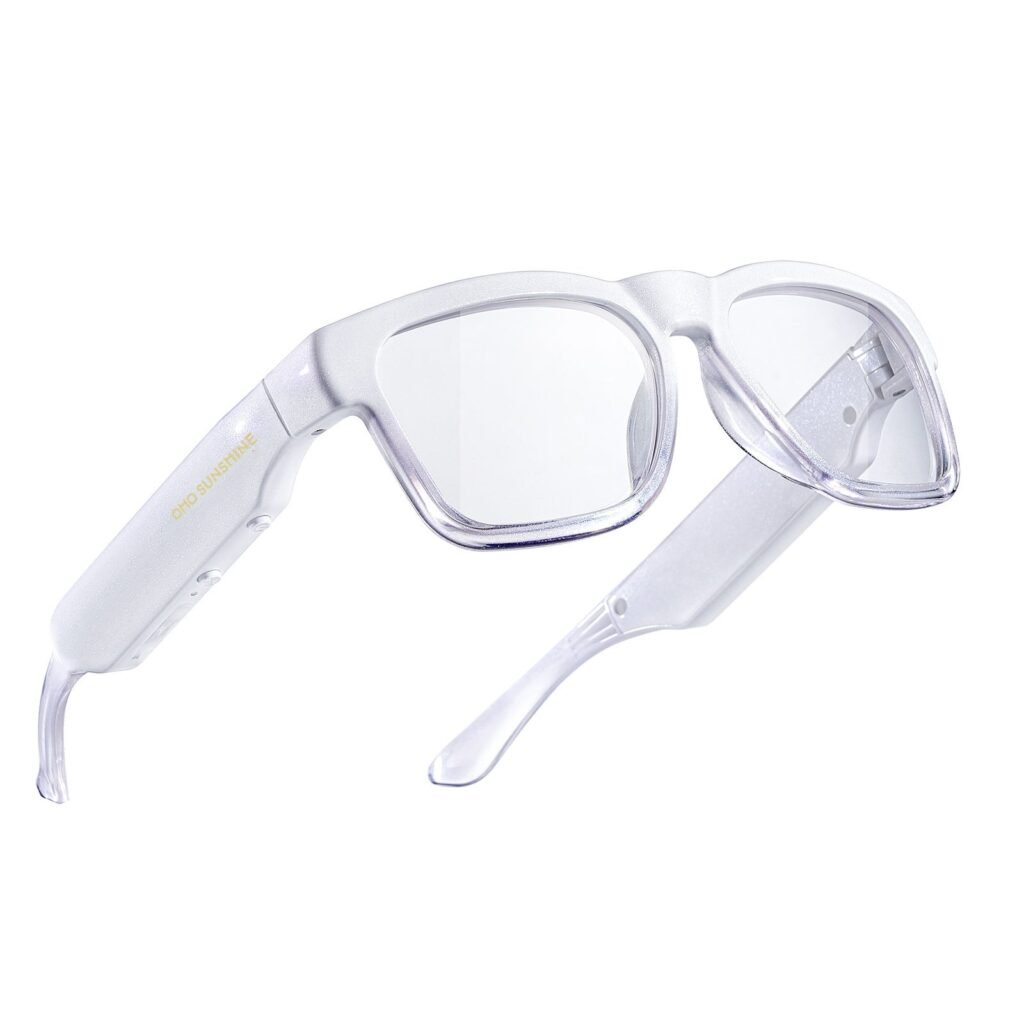
The frame material matters just as much as the audio technology, especially for commuters who wear their glasses through rain, sweat, and the occasional tumble. TR90 is a thermoplastic material widely used in performance eyewear for good reason: it’s highly impact-resistant, flexes under pressure rather than snapping, and returns to its original shape after bending. For a cyclist or runner, this means the glasses can take the minor bumps and drops of daily use without cracking or warping. Beyond durability, TR90 frames are notably lightweight, reducing pressure on the nose and ears during extended wear. Brands like ohosunshine have built their active eyewear lines around this material precisely because long commutes demand comfort, and a pair of glasses that causes fatigue or slipping becomes a distraction in itself — precisely the opposite of what safety-focused wearable audio should deliver.
Step-by-Step Guide to Choosing Safe Bluetooth Glasses
With a growing number of options on the market, picking the right pair of Bluetooth glasses comes down to a handful of practical criteria — each one directly tied to how safe and comfortable your commute will be.
Start by prioritizing open-ear audio design. Not all Bluetooth glasses use the same speaker placement or audio delivery method. Look specifically for models where sound is projected near the ear without inserting anything into the ear canal. This is the single most important safety feature, as it preserves your ability to hear traffic, other commuters, and environmental alerts throughout your ride or run.
Next, evaluate the fit and retention system. A pair of glasses that shifts, slips, or bounces during movement becomes a distraction and a hazard. Look for frames with a secure temple grip and nose pads designed for active use. Many performance-oriented models include rubberized contact points that hold the glasses in place even during high-intensity movement or sweaty conditions.
Assess frame material carefully. TR90 or similarly flexible, impact-resistant thermoplastics are the benchmark for active eyewear. Avoid rigid plastic frames that may crack on impact or put pressure on the temples during extended wear. Lightweight construction matters too — anything over 35 grams can start to feel uncomfortable after a 45-minute commute.
Check battery life against your actual commute duration. Most Bluetooth glasses offer between four and eight hours of playback. If your daily commute is two hours round-trip, a four-hour battery with no charging opportunity mid-day could leave you without audio — or tempted to reach for your phone while moving.
Finally, test audio clarity at moderate volumes before committing. Clear sound at 50–60% volume means you won’t need to push the output higher to compensate for road noise, keeping ambient awareness intact.
Best Practices for Using Bluetooth Glasses Safely on the Go
Owning the right pair of Bluetooth glasses is only half the equation — how you use them determines whether they actually make your commute safer. A few straightforward habits can make the difference between a device that protects you and one that simply replaces one distraction with another.
Volume control is the most critical habit to develop. Keep audio levels at 50–60% of maximum output. At this range, the open-ear design works as intended, letting ambient sounds — traffic, pedestrian alerts, construction noise — mix naturally with your audio. Pushing volume higher to drown out road noise defeats the core safety advantage of the technology entirely.
Positioning matters more than most users realize. Bluetooth glasses perform best when the temple arms sit snugly against the sides of the head, with the built-in speakers aligned just in front of the ear opening. If the glasses have shifted during your commute, the audio projection angle changes and sound quality drops — prompting the instinct to turn up the volume. Adjust the fit before you start moving, not while you’re in traffic.
Build in active awareness checks. Every few minutes — especially when approaching intersections, merging lanes, or shared paths — make a conscious habit of scanning your surroundings. Open-ear audio preserves your hearing, but it doesn’t replace active attention.
Keep the speaker grilles clean. Sweat, sunscreen, and dust can accumulate around the audio components, degrading sound quality over time. A weekly wipe-down with a dry microfiber cloth maintains consistent performance without damaging the electronics.
Finally, know your local regulations. Some jurisdictions restrict any audio device use while cycling, regardless of ear-blocking design. Check the rules for your route and comply accordingly — safety and legality go hand in hand.
Beyond Safety: Additional Benefits of Bluetooth Audio Glasses for Commuters
Safety is the headline advantage, but Bluetooth audio glasses deliver a broader set of benefits that make them genuinely compelling for daily commuters beyond just risk reduction. The most immediately practical is hands-free calling. With microphones built directly into the frame, commuters can answer calls, check in with the office, or coordinate pickup logistics without reaching for a phone — keeping hands on handlebars or swinging freely during a run. Paired with voice assistant integration, the glasses become a lightweight command center: ask for turn-by-turn navigation, set a reminder, or skip a track without breaking stride or glancing at a screen.
Many models also incorporate UV-protective lenses, meaning the glasses pull double duty as functional eyewear. Cyclists and runners already contend with sun glare and wind exposure, so a single device that handles eye protection and audio simultaneously reduces the gear load of every commute. Prescription-compatible and tinted lens options extend this utility across different lighting conditions and user needs.
The design dimension matters more than it might seem. Earlier generations of wearable tech suffered from a conspicuous, gadget-heavy aesthetic that many commuters found off-putting in professional settings. Current Bluetooth audio glasses — including options from ohosunshine — are styled to look like conventional eyewear: slim frames, clean lines, no visible speaker grilles. This means they transition naturally from the bike lane to the office without requiring a wardrobe swap. For commuters who move between active and professional environments daily, that seamlessness is a genuine quality-of-life upgrade, reinforcing why this category of wearable technology is gaining traction beyond the niche enthusiast market.
The Future of Safe and Connected Commuting
Bluetooth glasses represent a meaningful answer to a problem that active commuters face every single day: how to stay connected to audio without disconnecting from the world around them. By combining open-ear audio technology with durable, lightweight frames — particularly those built from flexible materials like TR90 — these devices address the core safety gap that traditional earbuds and headphones leave wide open.
The path to safer commuting starts with informed choices. Prioritize open-ear audio design when selecting a pair, verify that the frame fits securely during movement, and confirm that battery life matches your daily routine. Once you’re on the road or trail, keep volume at moderate levels, maintain proper frame positioning, and stay actively engaged with your surroundings at intersections and high-traffic zones.
The benefits extend well beyond safety — hands-free calls, voice navigation, UV protection, and a design that moves seamlessly from bike lane to boardroom all add genuine value to the daily commute. But it’s the safety foundation that makes this technology worth serious attention.
As wearable tech continues to evolve, the integration of audio, optics, and smart connectivity into a single, unobtrusive device points toward a future where staying safe and staying informed are no longer competing priorities. For today’s active commuter, Bluetooth glasses are already making that future a practical reality.