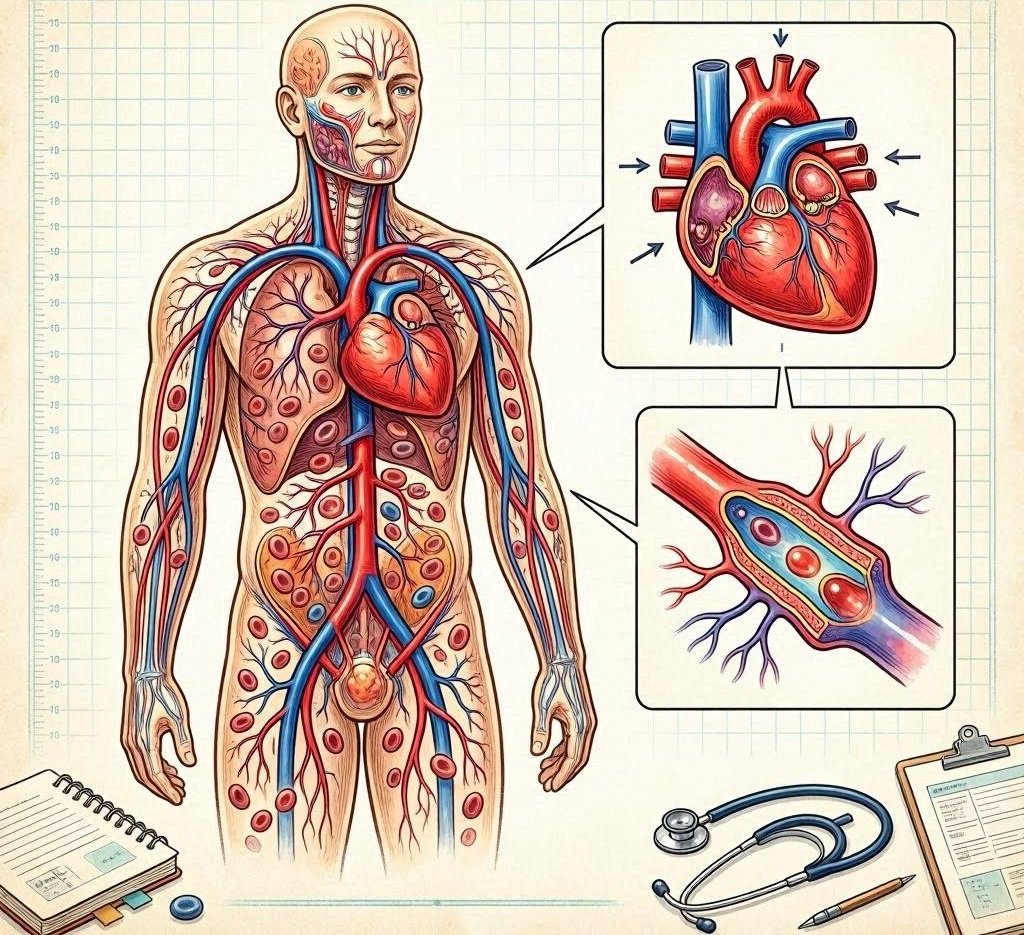
Blood circulation is one of the most critical functions in the human body as it provides oxygen, nutrients, hormones and other substances to all the organs and tissues. Meanwhile, circulation is also eliminating carbon dioxide and metabolic wastes that would otherwise build up and cause damage to the body. The cardiovascular system accomplishes this with an extremely coordinated network of blood, blood vessels and the heart. Two highly interdependent systems, systemic and pulmonary circulation, continuously carry blood to and from the lungs and to and from the rest of the body. These circulatory systems are used to move oxygen in and out of lungs and to transport it to tissues and replace it when it is used. In addition to carrying oxygen, blood also transports nutrients to and from the body, plays a role in defending against disease and infection, regulates body temperature, and assists in body response to exercise and stress. The knowledge of circulation reveals the amazing harmony needed for the life and health of a man.
Systemic and pulmonary circulation are two important systems
Systemic and pulmonary circulation are vital to maintain the flow of blood around the body continually. These two circulation routes are interconnected in order to ensure that blood with less oxygen will be filled with more and that blood with more oxygen will reach tissues in need of energy and nutrients to survive.
Pulmonary circulation is the blood flow from the heart to the lungs. The right side of the heart pumps oxygen poor blood to the lungs and carbon dioxide is exhaled and oxygen is absorbed. Systemic circulation starts with the return of oxygenated blood to the left side of the heart and its transport throughout the body to provide the tissues with oxygen and nutrients. These make up the complete circulation system and all biological functions in the human body depend on them.
The Heart is the centre of the blood circulation
A muscular organ that pumps systemic and pulmonary circulation. The heart is situated in the thoracic cavity between the lungs and pumps blood round the body all the time. It has four chambers that are specially arranged to ensure that the oxygen rich blood does not mix with the oxygen poor blood, so that there is efficient circulation.
Oxygen poor blood from the body is returned to the right atrium by large veins, called vena cava. This blood then enters the right ventricle which will eject it into the pulmonary arteries to the lungs. Blood flows back to the left atrium through the pulmonary veins following oxygenation in the lungs. The left ventricle then forces the oxygen carrying blood into the aorta which can circulate around the body.
Blood circulation is organized, so that blood without oxygen is continuously renewed and redistributed. Because tissues need a constant supply of oxygen and nutrients, the heart can sustain this circulation continuously in order to sustain life.
Circulation of blood to the lungs and exchange of oxygen
Pulmonary Circulation transports blood between heart and lungs. This pathway is essential for the function of systemic and pulmonary circulation, since it is through this pathway that gas exchange takes place, thus supplying oxygen to the blood and removing carbon dioxide from the body.
The pulmonary arteries transport blood that is low in oxygen into networks of microscopic blood capillaries that surround the air sacs, called alveoli. Inhaled air becomes blood oxygen and blood CO2 diffuses out to be exhaled. This exchange changes oxygen-poor blood to oxygen-rich blood which can then be used for cellular respiration around the body.
Lungs offer a large surface area for gas exchange resulting in high efficiency in pulmonary circulation. Lung disease or diminished circulation to the lungs can disrupt pulmonary circulation, even at the mildest level, and cause an impairment of oxygen delivery and impact function of all organ systems.
The system circulation and nutrient delivery
Systemic circulation transports oxygenated blood from the heart to the other parts of the body. This part of the systemic and pulmonary circulation supplies the oxygen and nutrients needed for metabolic, growth, repair and energy production.
Blood exits the left ventricle through the aorta and via arteries that divide into smaller vessels and capillaries. In the capillaries, oxygen in the blood is transferred to surrounding tissues. Meanwhile, waste products and CO2 are entering the blood and carried away to be eliminated.
Once the exchange is made, the oxygen poor blood is carried back to the right side of the heart by veins and will begin the cycle again. This constant circulation allows cells to acquire the materials they need and keeps the whole body healthy.
Blood circulation and organ functions
Systemic and pulmonary circulation are essential to the functioning of each organ. Cognitive function and the function of the nervous system depends on a continual supply of oxygen and glucose to the brain. Blood flow supplies the kidneys with needful oxygen, and helps to remove waste products and balance fluid. Blood with oxygen helps muscles generate energy when they are working.
Circulation also plays a role in the digestive system, transporting absorbed nutrients from the intestine to other tissues, such as the liver. Endocrine glands produce hormones that circulate in the blood, influencing the body’s functions, including the regulation of metabolism, growth and stress response.
If the blood flow is not efficient, the organs will not have the ability to sustain normal function. With blood flow reduced, the function of tissues can be quickly affected and result in severe health issues. This illustrates the way in which the circulatory system is a life support system that links all parts of the body together.
How circulation assists or interferes with temperature regulation
One of the major roles of systemic and pulmonary circulation is to help regulate the body’s temperature. Blood carries heat generated by the body’s metabolism and muscle contractions around the body to distribute the heat evenly and prevent extremes of temperature.
If the body is overheating, the blood vessels close to the surface of the skin widen, bringing more blood to the skin which allows heat to be released into the air. Cold temperature causes constriction of blood vessels to conserve body heat and maintain a normal temperature. Both these changes are regulated by the nervous system and enable the body to adjust to different environmental conditions.
Efficient circulation not only ensures oxygen supply, but also provides a stable internal environment necessary for normal physiological functioning.
Exercise and Stress Blood Circulation
Exercise and stress put additional demands on the body, and adjustments of systemic and pulmonary circulation. Muscles require more oxygen and nutrients during physical activity so that they can produce more energy. The heart beats faster and stronger then, to supply blood to active tissues.
Muscle blood vessels expand to provide more blood flow and the lungs expand to increase oxygen intake in the lungs. These changes allow the body to maintain exercise and enhance physical fitness. Over time, regular exercise will also help to make the cardiovascular system more efficient.
Stress also impacts the circulation throughout the body by means of the fight-or-flight mechanism. Hormones like adrenaline increase the heart rate and divert blood to muscles and important organs. Stress responses last for only a short period of time and are useful, but prolonged stress can lead to a compromised cardiovascular system and impact long-term health.
Circulation and Cardiovascular Health
It is important to maintain healthy systemic and pulmonary circulation to prevent cardiovascular disease and promote longevity. Low circulation can lead to low oxygen supply, high blood pressure and heart disease, stroke and peripheral artery disease.
The lifestyle habits have a significant impact on circulation and cardiovascular health. A healthy heart depends on regular exercise to strengthen the heart muscle and increase the elasticity of blood vessels, while balanced nutrition supports the composition of the blood and function of blood vessels. Other lifestyle changes can also help to prevent damage to blood vessels and make them work more efficiently, such as avoiding smoking and managing stress.
Taking steps to prevent health issues, such as checking blood pressure and cholesterol, can aid in the early diagnosis of circulation problems. Maintaining cardiovascular health helps the body to function effectively and meet physical needs throughout life.
Conclusion
Systemic and pulmonary circulation is critical to the survival and health of humans. Circulation is how the heart, lungs, blood vessels and tissue work together to carry oxygen, nutrients and hormones to the body and get rid of waste products and carbon dioxide. Pulmonary circulation carries blood to the lungs to pick up oxygen at the lungs and systemic circulation carries oxygenated blood around the body. In addition to its role in supporting organ function, circulation also is important in regulating body temperature and allowing the body to adjust to exercise and stress. A knowledge of the mechanism of blood circulation serves to show the efficiency of the cardiovascular system and the need to maintain healthy circulation through exercise, healthy nutrition and life style.