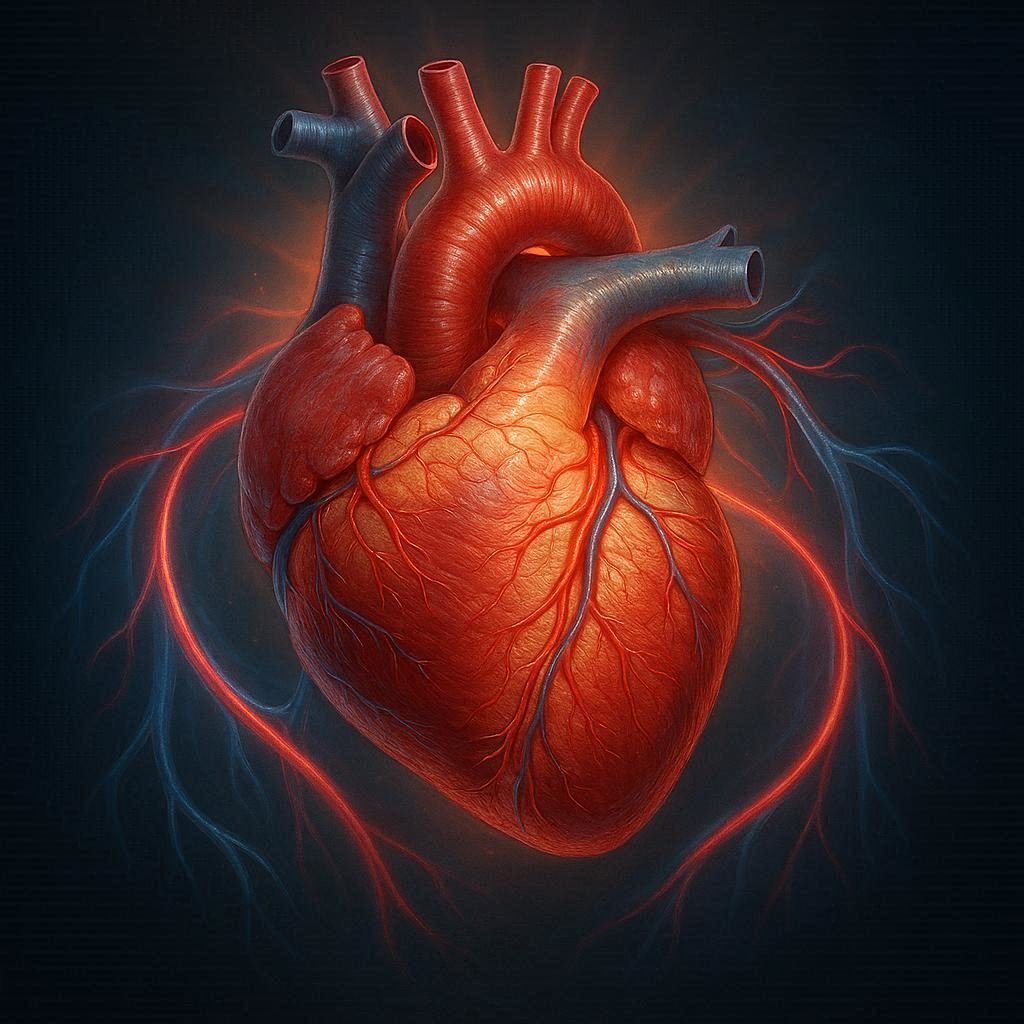
The human heart is always pumping to keep us alive, and does so second by second, day by day. This process relies on a very coordinated timing of contractions and relaxation that is termed the cardiac cycle. The heart beats once and blood goes through the heart and circulatory system once. This process is coordinated and oxygen, nutrients, hormones and other substances are supplied to the tissues while other substances like carbon dioxide are excreted. Electrical impulses regulate the flow of blood around the heart and the timing of contraction during the cardiac cycle. A knowledge of the heart’s motion during systole and diastole assists in the explanation of how circulation assists in the production of energy, organ activity and health. Understanding the cardiac cycle will help readers to better understand the complexity of the cardiovascular system and the importance of hearts health throughout life.
Understanding the Cardiac Cycle
The cardiac cycle is the entire process of events that happen within the heart during one beat. It may involve contraction and relaxation of atria and ventricles which enable the blood to flow efficiently through the heart and into the circulatory system. Each cycle is timed carefully to keep blood flowing and help provide sufficient oxygen and nutrients to the tissues, which are required for normal function.
The heart is a double pump. The right side transports oxygen deficient blood from the body and supplies blood to the lungs for oxygenation and the left side pumps oxygenated blood throughout the body. Coordinated activity requires the cardiac cycle to repeat continuously from birth until death. The cardiac cycle is repeated thousands of times a day when it is at rest, in an average human the average heart rate is 60-100 bpm.
The Physical Structure of the Heart and how the blood flows through the heart
The structure of the heart and the circulation of blood through the heart are important in understanding the cardiac cycle. The heart has four chambers; the right atrium, the right ventricle, the left atrium, and the left ventricle. Valves between the chambers keep blood flowing in only one direction and prevent backflow.
Blood from the body enters the right atrium through the vena cava. It then goes to the right ventricle which pumps it to the lungs by way of the pulmonary arteries. Carbon dioxide is converted for oxygen in the lungs. Pulmonary veins bring oxygen-rich blood back into the left atrium and then pass to the left ventricle. The left ventricle pumps the blood out into the aorta and around the body with powerful pumps.
This controlled circulation will keep the body supplied with oxygen and nutrients and will keep blood moving efficiently. During the cardiac cycle, the chambers and valves co-operate to keep the blood moving efficiently and with a steady flow.
Systole: The Contraction Phase of the Cardiac Cycle
The squeezing phase of the cardiac cycle is called systole because blood is ejected from the heart. This phase starts during contraction of the ventricles once they have filled with blood during relaxation. When the ventricles contract, blood pressure in the ventricles rises, causing the atrioventricular valves to close and preventing blood from going back into the atria.
When the pressure in the ventricles increases more, the pulmonary and aortic valves open and blood flows out of the heart. The left ventricle circulates oxygenated blood to the body and the right circulates blood to the lungs. The left ventricle has thicker walls as it has to create enough force to pump the blood around the whole body.
If there is no systole, there will be no pressure to circulate blood. Ventricular contractions occur efficiently, which means that tissues receive oxygen and nutrients rapidly, allowing the body to be physically active, organ function and energy production.
The Relaxation Phase of the Cardiac Cycle is called Diastole
The heart chambers fill during the relaxation phase of the cardiac cycle, which is known as diastole. At the end of systole, the ventricles relax, causing a decrease in pressure within the ventricles. This drop in pressure causes the pulmonary and aortic valves to close, so blood can’t flow back into the heart.
With continued relaxation, the atrioventricular valves open and blood flows from the atria to the ventricles. The atria are slightly active during late diastole to finish filling the ventricles before the next beat.
Diastole is as significant as systole as the heart needs to refill properly with blood before it can pump properly. Cardiac output and stability of the cardiac circulation at rest and during exercise is provided by adequate filling of the right ventricle.
The coordination of electrical impulses and heartbeat
The work of the cardiac cycle is coordinated and timed by the electrical activity of the heart. The heart contains specialized cells that create the electrical signals that regulate the timing of the heart’s contractions and help move blood through the heart.
In the right atrium is the sinoatrial node, also known as the natural pacemaker of the heart. It generates electrical signals which travel to the atria, stimulate them to contract. The signal then passes to the atrioventricular node, which temporarily slows the signal down before sending it on to the ventricles through special conducting fibers
This is significant because it allows the ventricles to fill to capacity before these start to squeeze. During the cardiac cycle, the atria and ventricles need to function in synchrony, which is achieved by the synchronized spread of electrical impulse. If not electrically coordinated, circulation may become irregular and less efficient.
The regulation of heart rate and circulatory demand
The heart rate is simply the frequency with which the cardiac cycle occurs in one minute. Heart rate is continually adjusted by a variety of physical, emotional and metabolic needs. The heart pumps faster and harder during exercise, to push blood and oxygen to the working muscles.
The nervous system is a key player in controlling heart rate. Under stress or activity, the sympathetic nervous system speeds up the heart rate and strength of contraction, and during rest, the parasympathetic nervous system slows the heart. Other hormones also affect the activity of the heart and circulation.
This regulation enables the cardiovascular system to quickly adapt to varying circumstances. A stable heart rate ensures the tissues get adequate oxygen and nutrients and the body’s blood pressure and circulation is maintained.
Why is good circulation important?
The function of the cardiac cycle is important because proper circulation is necessary for operation of all organs and tissues in the body. The blood carries oxygen to the cells to be used in cellular respiration and energy production, and carries nutrients for growth, repair and metabolism.
Efficient circulation also helps to remove carbon dioxide and waste products produced by the activities of the cells. Blood flow is necessary for the brain, muscles, kidneys and other organs to function properly. Circulation disturbances can have a quick impact on energy, body performance and overall health.
Good blood flow also helps regulate temperature and provides protection against infections. Blood circulates around the body and transports immune cells which fight infection and disease, and helps to spread heat around the body. The cardiac cycle is responsible for much more than just moving blood, as these functions show.
Health of the Heart and for the Long-Term
The efficiency of the cardiac cycle depends on having a healthy heart. Cardiovascular health can be compromised, leading to other health conditions like hypertension, heart failure, arrhythmias and coronary artery disease.
Your lifestyle plays a major role in maintaining heart health. Exercise helps to build a stronger heart muscle and make the circulation more efficient, and a healthy diet allows you to keep your blood vessels and cholesterol levels healthy. Prevention of smoking, control of stress and good sleep habits also play a role in protecting the cardiovascular system.
Prevention of healthcare is crucial as when heart and blood vessel disease is caught early, the risk of complications is minimized. They help people maintain efficient circulation and good overall health throughout their lives by supporting heart health.
Conclusion
The cardiac cycle is a very coordinated process which enables the heart to pump blood efficiently and to keep the body alive. The heart goes through the cycle of contraction (systole) and relaxation (diastole) to keep blood flowing throughout the body. The heart’s conduction system produces electrical signals to coordinate when the heart muscle contracts to help blood flow and transport oxygen. The cardiac cycle is also sensitive to physical exertion and stress, and adjusts the rate of the heart and the flow of blood around the body in accordance with the body’s requirements. An understanding of the cardiac cycle emphasizes the need for good circulation to maintain optimal energy production, organ function and well-being. By keeping the cardiovascular system fit via exercise, a healthy diet and preventive care, the heart can maintain its function throughout life.