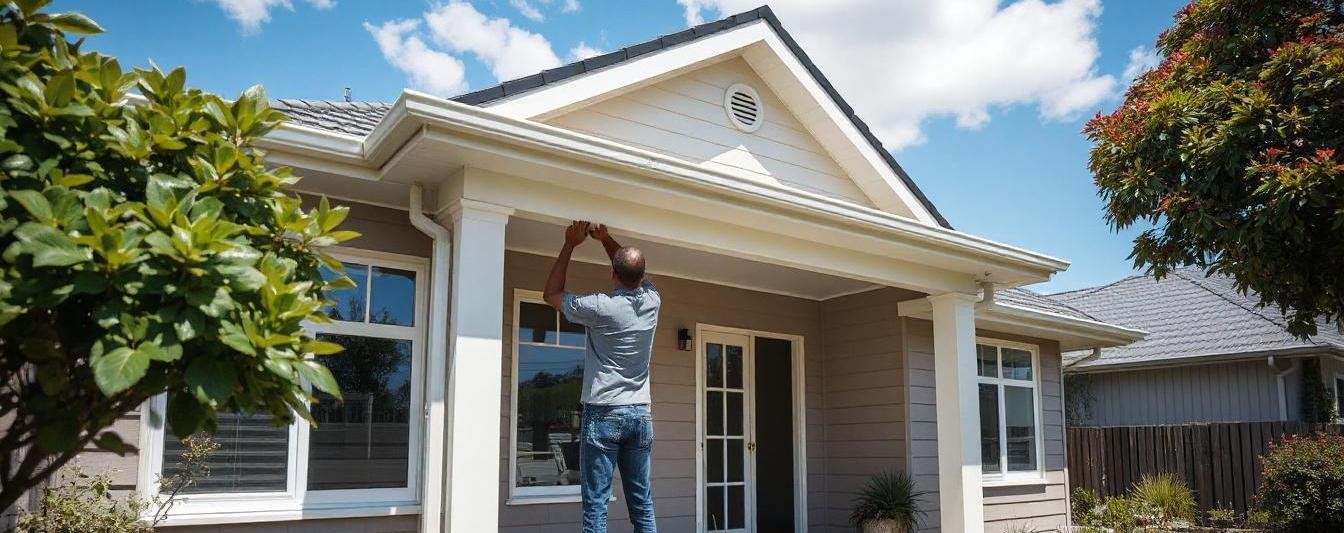
Home Maintenance Tasks are essential for protecting your property, preventing expensive repairs, and keeping your household systems working efficiently throughout every season of the year. Taking time to focus on the important things in the seasons can help keep your home’s components longer, build energy efficiency and provide a safe home. These home maintenance activities aren’t simply to keep things tidy; they’re to keep your family comfortable and your property worth.
A lot of homeowners don’t realize that maintaining their home regularly is important until it breaks. The reactive approach typically leads to added expenses and undue stress. Having a proactive seasonal checklist means you’ll be aware of potential problems before they get to you, and you’ll be able to proactively address them before they become an issue. And, you’ll be at ease knowing that your home is ready for whatever might happen this year. Now, let’s discuss the 15 essential home maintenance tips every homeowner should pay attention to.
1. Inspecting Roofs
Your roof is the first line of defense for your home and if you don’t take proper care of it, you may end up with some costly damage. Visually check your roof every season for shingle loss, cracked tiles and wear and tear. Be sure to check flashing around chimneys and skylights, as these can leak. Fixing the little damage early means it will not lead to any structural damage and prevent any water infiltration.
Don’t just rely on the visual inspections, as well, have them professionally inspected on a yearly basis. Experts will be able to discover hidden issues, like failing underlayment or damaged air currents. Properly maintaining roofing systems seasonally will not only prevent leaks but also promote energy efficiency within your home by maintaining the proper insulation and airflow.
2. Cleaning Gutters
The gutters are essential because they are a major component in diverting water from under your home. They can become clogged with leaves, twigs and other debris, causing them to overflow and resulting in basement flooding, cracks in the foundation, and potential mold growth. There are a minimum of two times of the year when gutters should be cleaned (in the spring and fall), as this will ensure the water flows smoothly and reduce water damage that can be expensive.
In addition to the cleaning, look for areas that have sagged or loose parts. Make sure downspouts are a good distance away from the house to avoid water pooling. Gutter guards will help keep debris from accumulating in the gutters, but will not take the place of regular gutter cleaning.
3. Servicing HVAC Systems
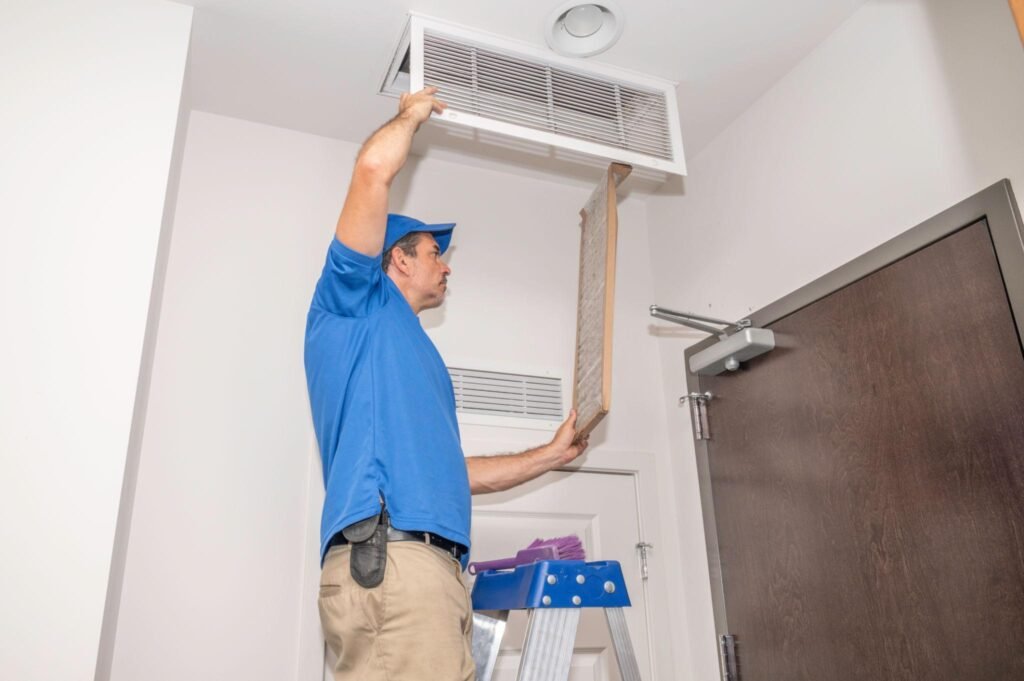
You can’t deny that the heating, ventilation and air conditioning (HVAC) system are crucial to indoor comfort. It will be serviced seasonally to keep it running efficiently and minimize downtime. Have coils cleaned, filter replaced and check the level of refrigerant in spring and fall. This helps not only reduce energy costs but it also helps to improve the air quality as well.
There are also simple things that homeowners should do such as change air filters once a month, or every 3 months and keeping vents unobstructed. If you do not maintain your HVAC unit, it can cause equipment failure, increased energy bills and poor operation.
4. Checking Plumbing
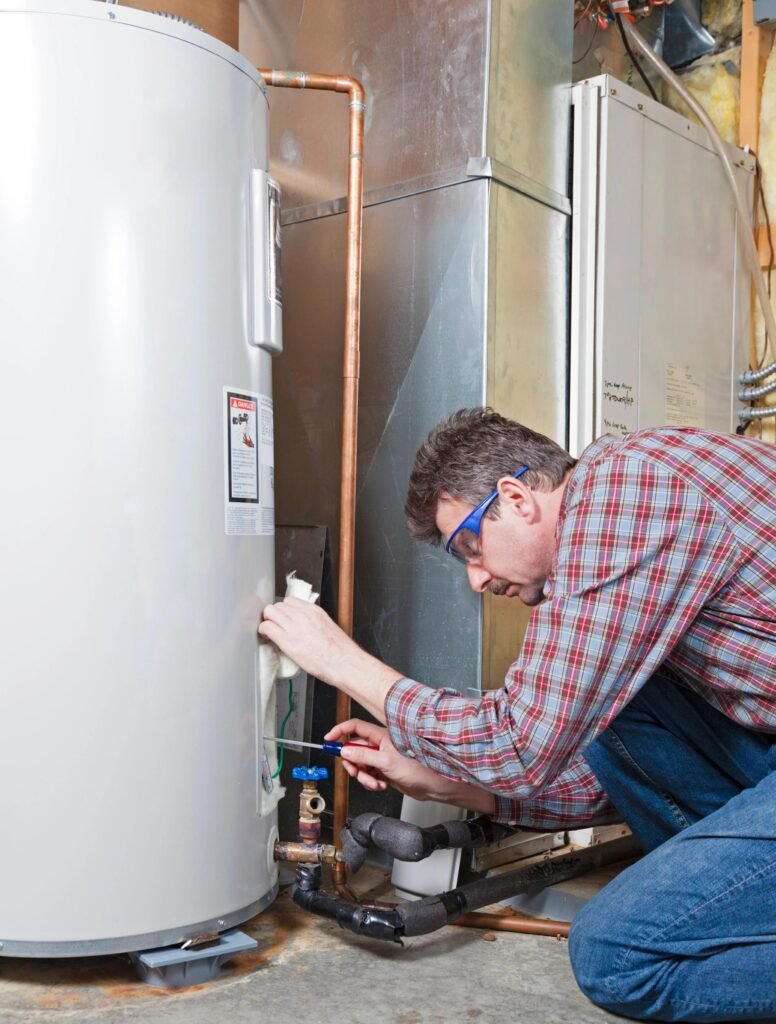
Water leakage and damage to the home are avoided and expensive repairs are minimized by seasonal plumbing inspections. Check exposed pipes for cracks, corrosion or moisture. Cover pipes with insulation when temperatures drop in the winter to avoid freezing and bursting, and possible flooding. In summer months look at outdoor faucets and irrigation systems for leaks which can create water loss and higher utility bills.
Don’t forget to test water pressure and monitor your water heater. It is recommended to flush the tank once a year, as sedimentation can cause inefficiency and reduce its lifespan.
5. Maintaining Outdoor Spaces
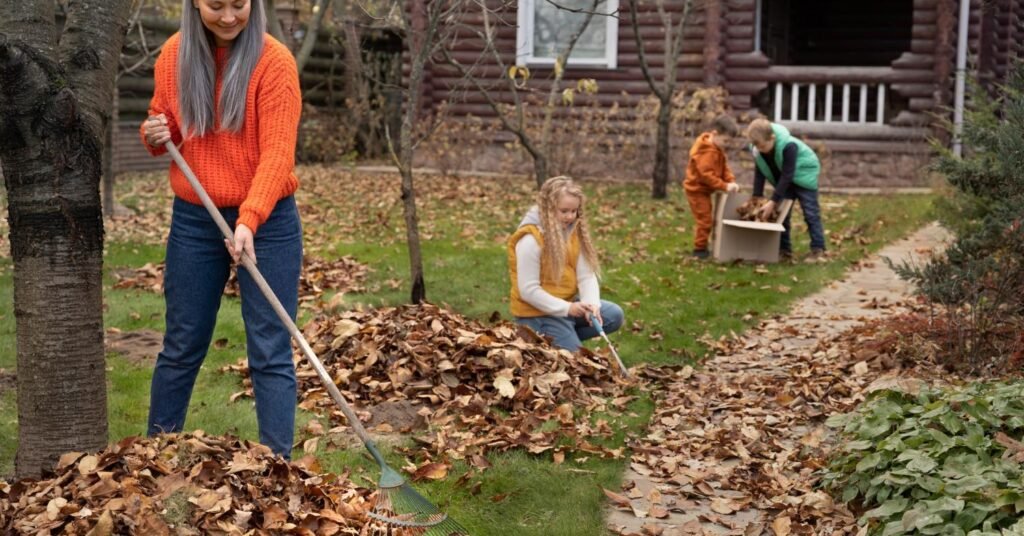
Seasonal maintenance is necessary to ensure the safety and usability of outdoor spaces. During the spring, concentrate on lawn maintenance, overseeding with non-native grasses and removing shrubs from the outside of your home. It’s time to check for loose boards or cracked patio slabs in the summer. The seasons of Fall and Winter involve preparing gardens for the winter and clearing snow and ice from walkways to avoid accidents.
Safety and curb appeal are further improved with regular maintenance to the exterior lights and fences, and driveways.
6. Annual Safety Reviews
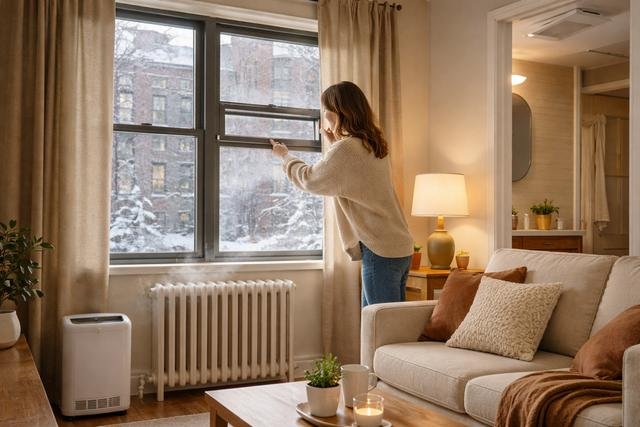
Replace batteries and at the same time test smoke detectors and carbon monoxide alarms biannually. Also check that fire extinguishers are charged and that they are accessible. In winter watch out for ice dams on roofs, if not taken care of they will leak and cause structural damage.
During the seasonal safety check railings, stairs and outdoor lights are looked at for issues.
7. Sealing Windows and Doors
Energy use may go up because of drafts which come through windows and doors. As the seasons change so should your weather stripping and seals. Damaged seals cause air leakage, reduce insulation and make homes unsatisfactory.
Sealing gaps and installing storm doors or windows also improves efficiency.
8. Inspecting Electrical Systems
During the course of the annual inspection see to it that you check outlets, switches and cords for signs of wear or damage. Also test out the GFCIs for proper function. If you are seeing issues like flickering lights or breakers which keep to trip, call a Licensed Electrician.
Electrical maintenance reduces the chance of fire and ensures continuous power at home.
9. Cleaning and Inspecting Chimneys
Prevent serious chimney fires by getting your chimney professionally cleaned annually which is recommended at least once a year as creosote may accumulate. Also check the chimney cap and flue for any blockages that may impede proper smoke evacuation.
Seasonal checks ensure that your fireplace is running properly.
10. Testing Sump Pumps
In most homes which have basements sump pumps are used out of prevention of flood. For sump pump season check it out by adding water to the pit and see that it does in fact work. Also remove any debris from the pit and check the discharge pipe for blockages.
If your sump pump is out of order then your foundation and possessions will be at risk of water damage.
11. Inspecting Attics and Insulation
Check your insulation regularly as the seasons change to see if it has shifted out of place or has damage. Quality insulation will save you energy by keeping in the heat in the winter and the cool in the summer.
Check for insects, moisture, or mold which may damage the structure and insulation.
12. Running Appliances
Clean out the fridge coils and check washing machine hoses for leaks, also do a lint check in the dryer hoses. These small tasks will extend the life of your appliances and also help to prevent fires.
Other seasonal jobs include checking oven seals, dishwasher filters, and water softeners.
13. Landscape and Irrigation Care
Check your irrigation systems for broken sprinkler heads and leaks which is to be done at the change of seasons. Also adjust your watering based on the weather which in turn will save you water and see better growth in your plants.
Trees and shrubs should have their growth controlled by pruning which also will help to prevent them from breaking in storm.
14. Garage and Driveway
Check out your garage doors for proper function and lubricate the moving parts. Also check driveways for any cracks or potholes which tend to get larger during seasonal changes.
In the fall we seal driveways to prevent water infiltration and issues which come with winter freeze.
15. Cleansing Interior Spaces
Deep clean the carpets, upholstery, and blinds for removal of allergens and dust. Mattress turning, cleaning of storage space behind appliances and decluttering will help achieve a healthy home.
Interior cleaning also includes mold assessment in bathrooms, kitchens and basements.
Conclusion
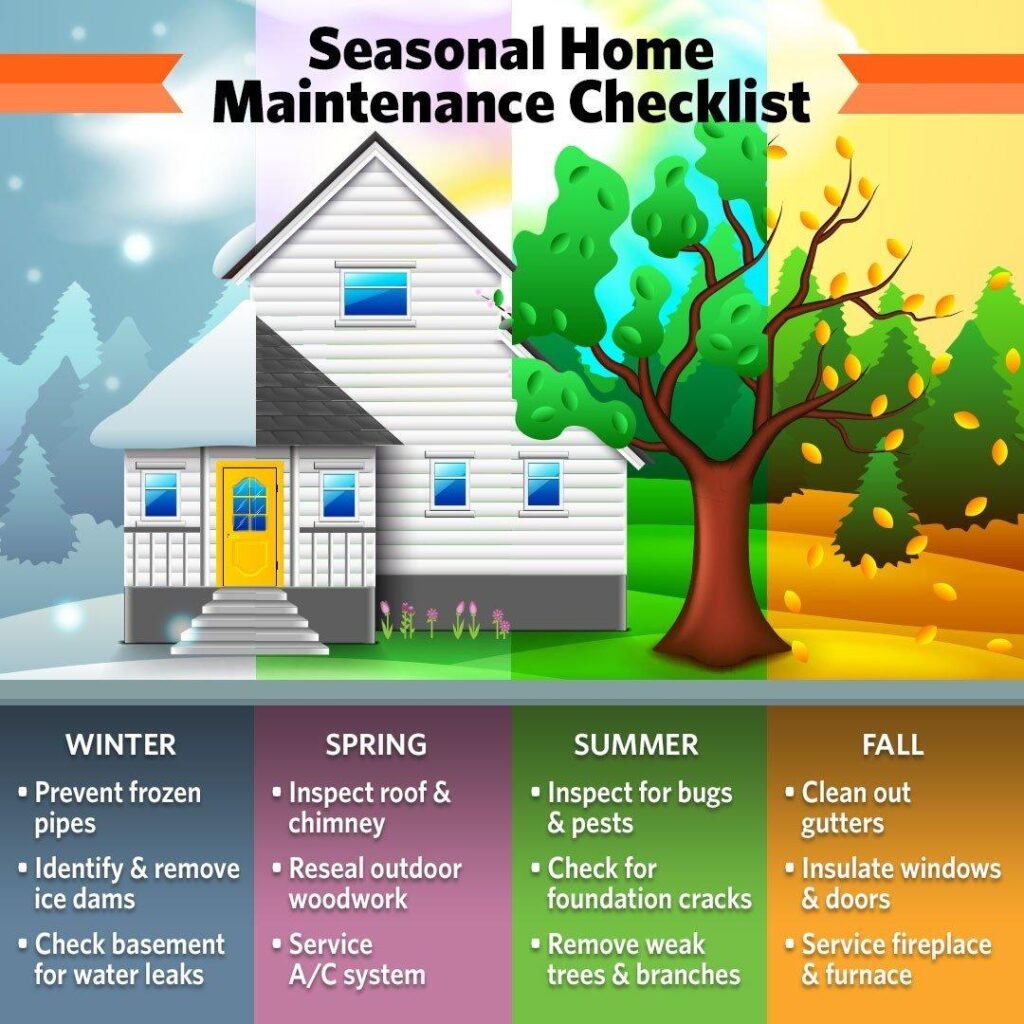
Although seasonal care of your home is a time consumer it is an investment in your home’s longevity, safety and efficiency. You can do a great deal to prevent large scale repairs by doing roof repair, cleaning out gutters, servicing HVAC equipment, plumbing checkups and care of outdoor areas. All of which in turn help to create a well maintained home environment that is better able to weather the elements.
Also in the long term value department we see that consistent care pays off. A well maintained home is not only going to save you on repair costs but will also command a higher price at sale. Seasonal maintenance is a step above the routine chores—it is about protecting your investment and at the same time making your home a safe and comfortable haven for you and your family. By doing these 15 key tasks you will have your home in the best possible shape for whatever the year throws at you, and in return you will have peace of mind.


Beylikduzu Korsan Taksi Hizmeti