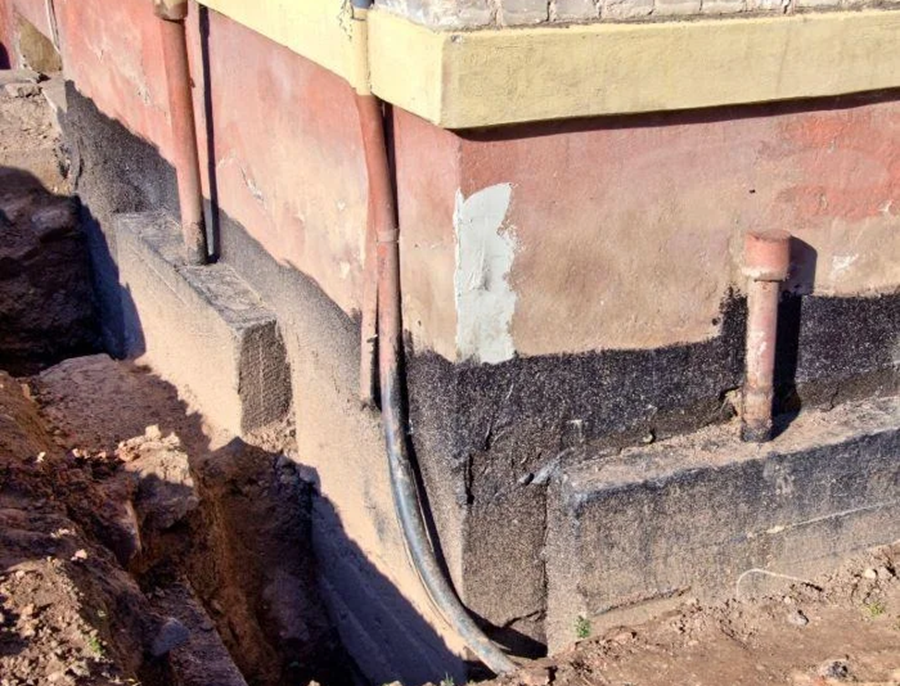
Whether it’s a plumbing repair, painting a room, or making a different, home improvement can be a thrilling adventure but with some hidden surprises. Homeowners will jump into projects with great enthusiasm, but often end up with problems that they could have avoided due to avoidable errors. These mistakes may result in the loss of materials, endangering safety, and poor outcomes. Knowing about the pitfalls and how to avoid them gives you the confidence and efficiency to take your project on. It’s not only about saving money: It’s about that your home is safe, working and valuable over time.
The truth is that one needs to be prepared, patient and knowledgeable in the field of DIY home repair. Without these even the most basic of tasks can escalate into a pricey issue. This article outlines 11 of the most frequent DIY errors that homeowners make, and offers some tips on how you can avoid making them. Identifying these problems early can make your DIY project rewarding and successful, and help you make it a project that adds to your home, not detracts.
1. Improper Measurements
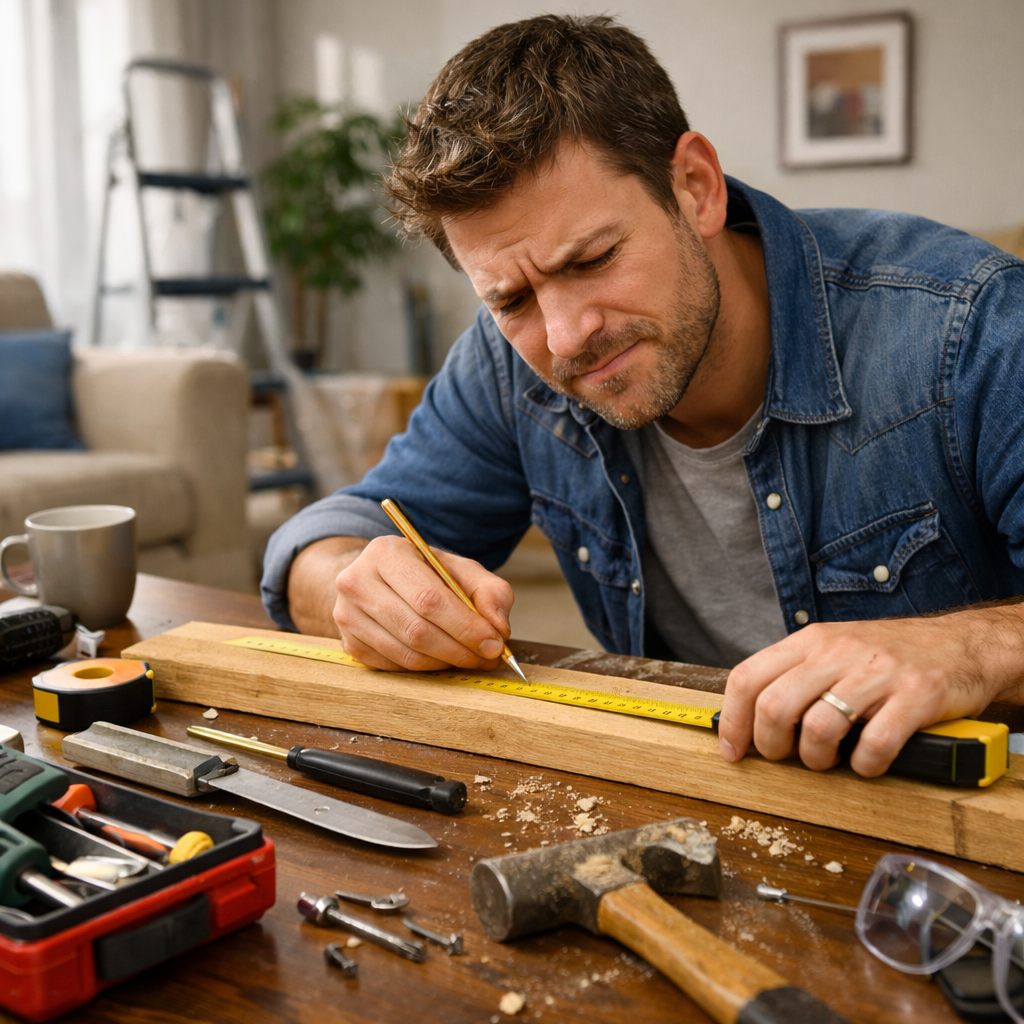
There is nothing worse than wrong measurements in a home repair job. Whether you are cutting lumber, hanging cabinets or putting on tiles, a mistake in any part of the project can throw it off. The results can be wasted materials, uneven finishes and rework. A huge number of do-it-yourselfers use estimates or “eyeballing” dimensions; almost always this results in some type of mistake. A lesson that is still true to this day in home improvement is the proverb ‘measure twice and cut once’.
The best way to prevent this error is to be sure to have the correct measuring instruments, like a tape measure, carpenter’s square or laser level. Always check your numbers before cutting and/or buying; never assume, it can cause confusion. Additional time spent checking to make sure they’re correct will mean precision and prevent expensive disappointments. Knowing how to measure correctly is the key to having successful home repair projects and knowing how will improve the quality of them.
2. Incorrect Use of Tools
Another common mistake in doing things yourself is to use the wrong or substandard tools to do the job. For instance the butter knife could be convenient to use, but it can cause damage to the material and the butter knife. Likewise, a rubber mallet is needed for delicate surfaces – do not use a hammer.
Having the right equipment not only simplifies the task, but is also safer and more durable. If you don’t want to take the plunge of buying the specialized tools, a good idea is to borrow or rent them. Keep in mind that having the right tool for the job isn’t a nice to have, it’s a must-have.
3. Ignoring Safety Precautions
It’s easy to forget about safety when working on a do-it-yourself job. Without protective equipment (goggles, gloves or mask), serious injuries can occur. For example, electrical work, if not carried out with safety, can cause a fire or electric shock. Even simple activities, such as painting and decorating, can prove to have harmful fumes if adequate ventilation is not used.
Always take safety precautions, wear the right equipment and adhere to recommended guidelines. Have a first aid box on hand and do not rush or hurry through tasks. Respecting safety takes care of you and helps to prevent disaster from occurring in your project.
4. Skipping Preparation Work
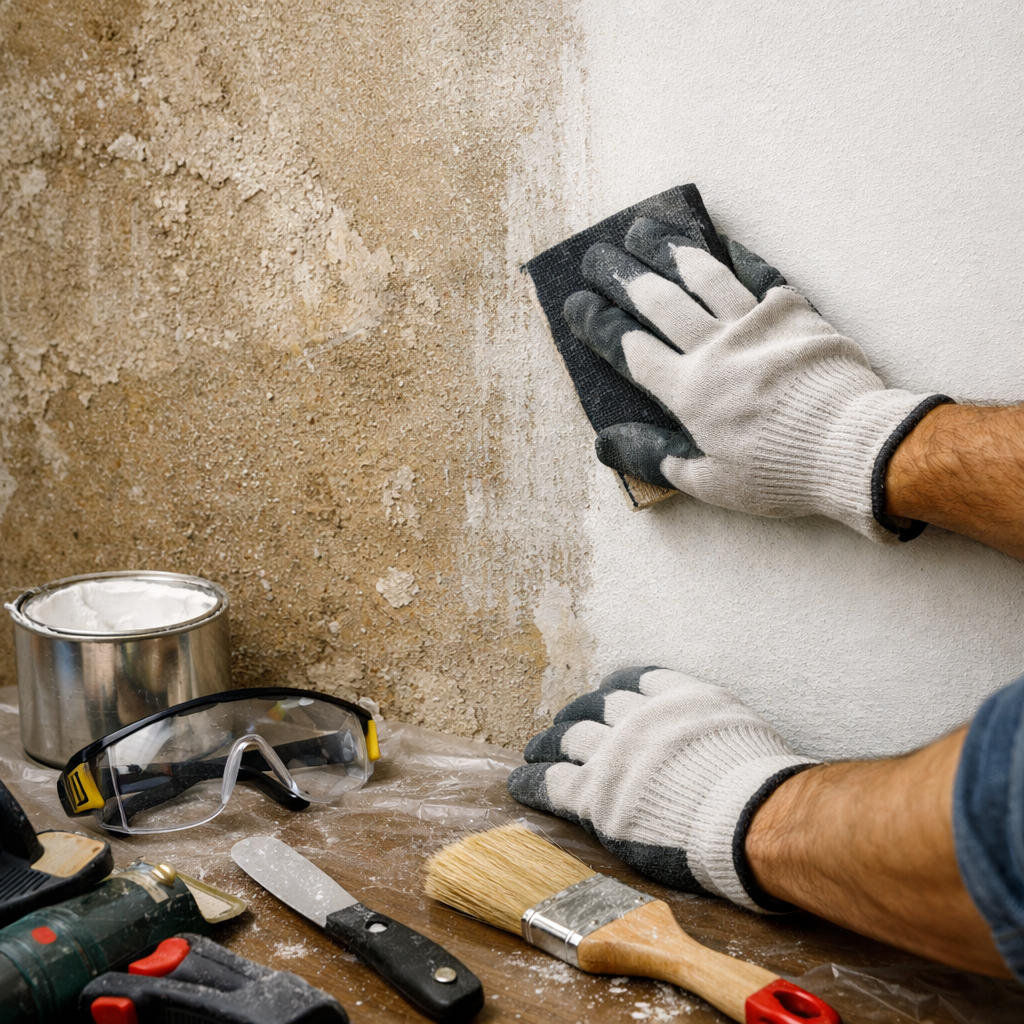
While preparation is important with any home repair project, many homeowners venture into a project without doing any work. For instance, if painting dirty or uneven walls without sanding or priming, then poor finishes will be achieved. The same is true for installing floor without leveling it, this will result in problems in future.
Plan, prepare materials, and surfaces before beginning work. This might seem like a lot of work, but it will be worth it for the smoother flow and lasting benefits! Consider it as ensuring success.
5. Overestimating Skills
While it’s important to be confident, it’s easy to end up doing too much, which can lead to a costly mess. When rewiring or plumbing is attempted using electrical or plumbing skills that the person does not have, it can result in damage that will need to be fixed by a professional. This is not only a waste of money, but can be a safety hazard as well.
Don’t lie about your level of skill and begin with projects you can handle. Before attempting large projects, view tutorials and read guides, and try out small repairs. When in doubt, don’t hesitate to call a professional.
6. Failure to Comply with Permits and Codes
A lot of homeowners don’t realize the significance of building permits and local codes. It is important that even with small projects you follow the rules and regulations as it could result in the following consequences: Fines; Legal problems; Problems when selling your property. Often a permit is required for electrical or structural modifications, etc.
Understand what is needed in the area prior to undertaking a significant project. By following codes your work will be safe, legal and enhance value to your property. There’s a point to spending the extra time in paperwork than unhappy repercussions later on.
7. Poor Material Choices
Another common error is picking the incorrect materials. Lower cost options can be cost-effective in the short run, but can result in durability problems. For example, an indoor paint is not suitable to use on an exterior wall, because it will quickly breakdown in the elements. Likewise, if the wood is of poor quality, it could warp or crack with time.
Always use materials that will be appropriate for each project. Do your research into product reviews or ask hardware store to check before you purchase. High-quality materials may be costly up front, but they will provide savings over time in terms of money and time.
8. Rushing Through Projects
Impatient is a common problem encountered by the individuals who do things on their own. Owning a home, people tend to get in a hurry and execute jobs without taking the time to allow any dry-outs or take steps that should be taken. For instance, the second coat is to be applied after the first coat, otherwise the first coat will be damaged by the second coat being applied before it dries. Likewise, when installing tile at too fast of a pace and without adequate spacing will result in uneven effects.
Be ready – and have fun along the way. Be careful and follow directions closely, allow sufficient time for each part. The professional results are achieved, and cost of rework is avoided, through patience.
9. Overlooking Hidden Issues
When doing it yourself, people tend to only repair the top level issues, instead of the root causes. For example, if you notice a water leak, and you paint it over, it will only be temporary. Similarly, the failure to comprehend the cause of crack may lead to reoccurrence of the crack.
Always carefully check before starting repairs! Knowing and fixing the cause(s); and A proactive process to prevent reoccurrence of the problem and solutions that will last.
10. Poor Budget Planning
Many homeowners aren’t actually aware of the cost of a home repair job. It can lead to the completion of tasks or in an inferior product if not planned correctly. Additional materials or professional help or tool hire may be required, but not planned for, in the project.
Ensure that you have a detailed budget before you start and have a budget for any unforeseen costs. Be aware of budget and don’t overspend. With good financial planning, there’s no need to worry about your project.
11. Lack of Research
It is one of the biggest errors a person can make when it comes to the restoration of their home that they don’t get involved in some research. Often people dive into projects without realizing what techniques and materials they are going to be using, or what problems they might have and become frustrated and disappointed. Tutorials, manuals, expert advice – and other reliable sources – can be very useful to build confidence and competence. Anything as simple as a job can seem like a daunting task and anything as small as a project can get out of hand if it isn’t studied.
Take time to learn in advance before doing. Read instructions, watch tutorials and consult professionals when necessary. Knowledge gives you the ability to make well-informed choices and steer clear of typical mistakes. Devoting time and effort to research makes your work better, and helps you to be better problem-solvers at the same time. This preparation can make your home repair projects and you fun and educational, making it safe and successful.
Conclusion

While they can be rewarding, home repair tasks must be well planned, patiently done and done safely. These 11 common mistakes will save you time, money and effort and you’ll be able to produce a professional product. But, remember that quick and easy DIY solutions are not the key to success, they will be based on doing the things right. The more you plan, measure accurately and take time you will be more successful.
Read books for a better understanding of common pitfalls of DIYers and expert advice on real-life solutions. By preparing and being aware of what to expect, your home repair process can be safe and rewarding. However, the intent of the do-it-yourself is not only to repair your home, but to build abilities, self-assurance and satisfaction. By taking the time to consider each project, you will be leaving a lasting impact and feeling proud and accomplished.