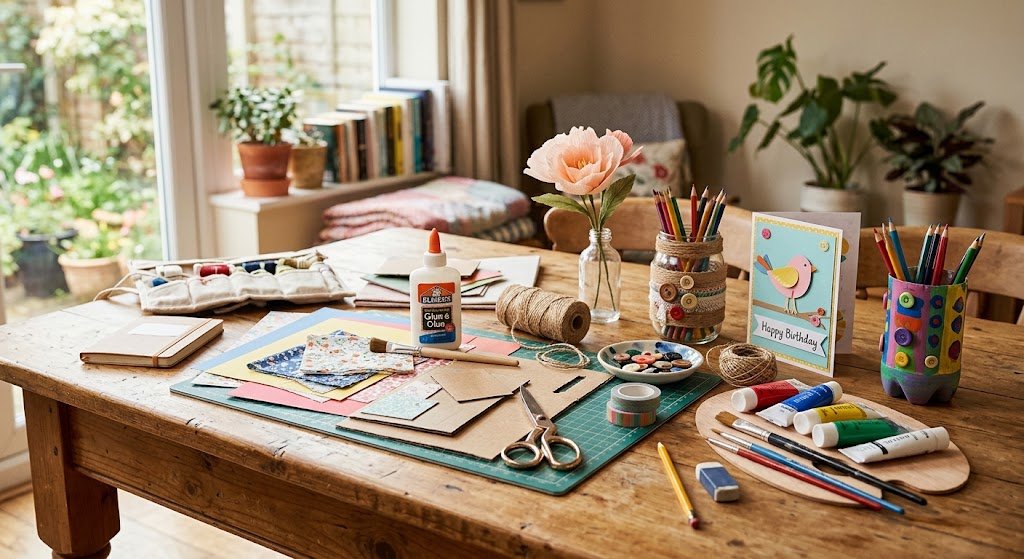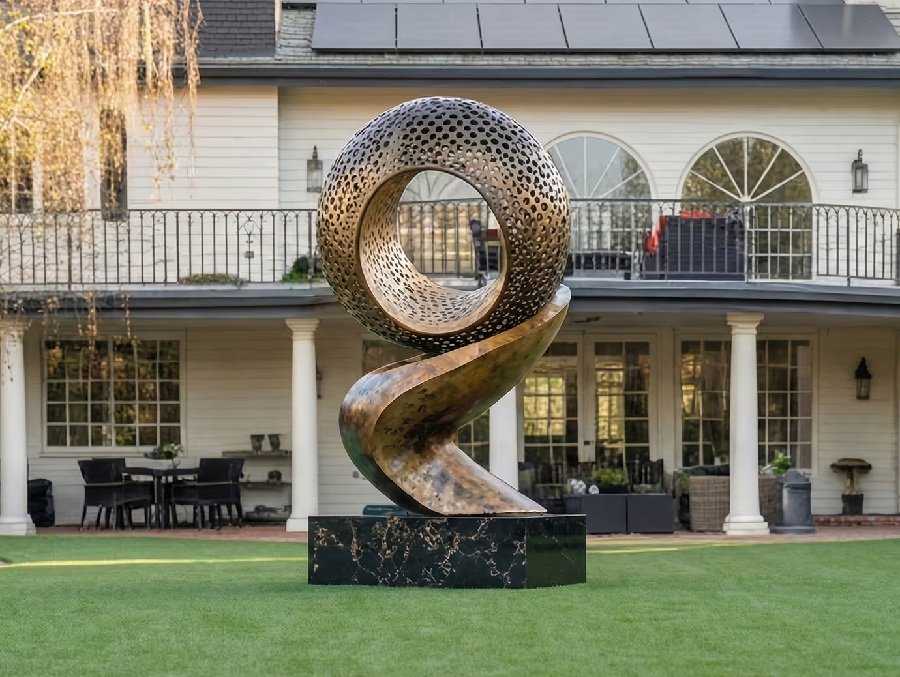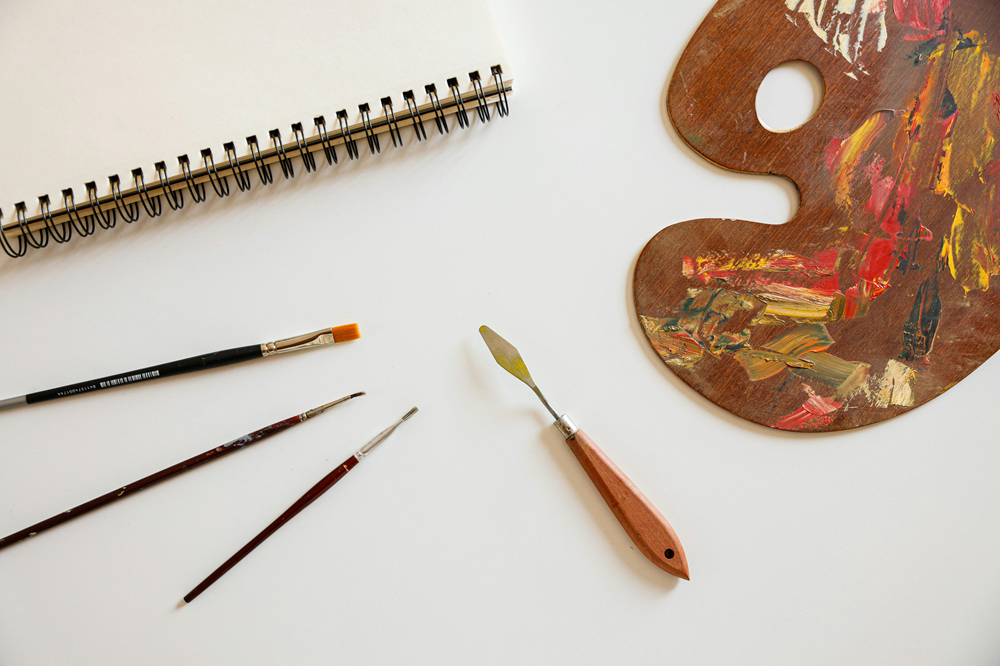
Choosing a creative medium is a meaningful decision for artists at every stage. Whether you are just beginning to explore creative expression or refining a long standing practice, the materials you work with shape how ideas take form. Paint, clay, fiber, metal, and mixed media all offer distinct experiences that influence process, pace, and outcome. Selecting the right medium is less about finding a perfect match and more about understanding what aligns with your goals, environment, and working style.
Creative mediums act as partners in artistic work. They respond differently to touch, time, and technique. Some invite spontaneity, while others reward patience and planning. Taking time to consider specific factors before committing to a medium can lead to greater satisfaction and fewer frustrations as your skills develop.
Personal Expression and Artistic Intent
One of the first factors to consider is how a medium supports your creative intent. Every material has inherent qualities that influence the final result. Some mediums produce bold, graphic statements, while others lend themselves to subtle transitions or detailed textures. Thinking about what you want to express can help narrow your options.
For example, if you are drawn to strong contrast and decisive marks, certain paints or inks may feel more intuitive than soft pastels or charcoal. An artist interested in sculpture might prefer clay or wire for their tactile responsiveness, while someone focused on surface detail may gravitate toward drawing or painting. Even color behavior matters. The opacity and finish of materials like black acrylic paint can support high contrast compositions that emphasize shape and depth.
Matching your emotional or conceptual goals with a compatible medium allows your ideas to emerge more clearly. When the material reinforces your intent, the creative process tends to feel more fluid and purposeful.
Practical Considerations and Workspace Needs
Practical factors often play a significant role in medium choice, particularly for artists working from home or shared spaces. Some materials require ample ventilation, specialized tools, or substantial drying time. Others can be used comfortably in small areas with minimal setup.
Consider how much space you have available and how permanent that space can be. Painting may require protection for floors and surfaces, while sculpting can involve storage for tools and works in progress. Clean up requirements also vary widely. Some mediums encourage quick transitions between sessions, while others demand more preparation and maintenance.
Time is another practical element. If your schedule allows for short creative sessions, a medium that dries quickly or can be paused easily may be more suitable. Being honest about logistical realities helps ensure that your chosen medium supports consistency rather than becoming a barrier to regular practice.
Skill Level and Learning Curve
Different creative mediums come with different learning curves. Some offer immediate results with minimal instruction, while others require patience and structured learning. Understanding where you are in your creative journey can guide your selection.
Beginners often benefit from materials that are forgiving and adaptable. These allow mistakes to be corrected or incorporated into the work without discouragement. More complex mediums may be rewarding later, once foundational skills are established.
That said, challenge can also be motivating. If you enjoy problem solving and technical mastery, a demanding medium may keep you engaged. The key is balance. Choosing something that stretches your abilities without overwhelming you encourages growth while maintaining enjoyment.
Sensory Experience and Physical Interaction
The physical experience of working with a medium is an often overlooked factor. Texture, resistance, weight, and temperature all influence how a medium feels in your hands. These sensory elements can affect focus, comfort, and creative flow.
Some artists enjoy the resistance of carving or shaping solid materials, while others prefer the smooth movement of brush on surface. Sensory preferences can also be emotional. A medium that feels grounding or calming may be especially appealing, while another might energize and stimulate creativity.
Physical considerations matter as well. Repetitive motions, grip strength requirements, and posture can impact comfort over time. Selecting a medium that feels sustainable for your body supports long term creative practice and reduces strain.
Cost, Accessibility, and Long Term Use
Budget and availability are practical yet important considerations. Some mediums require ongoing purchases of consumable materials, while others involve higher initial investment but last longer. Accessibility also matters. Materials that are difficult to source or store may limit how often you can work.
It is helpful to consider whether a medium fits into your routine over time. Can you replace supplies easily. Do costs allow for experimentation without hesitation. Lower barriers often encourage exploration, which is essential for creative development.
Long term use includes storage and preservation. Finished works may require specific conditions to remain stable. Thinking ahead about how you will store, display, or transport your work can influence which medium feels most appropriate.
Conclusion
Choosing a creative medium is a personal and evolving process shaped by intention, practicality, and experience. By considering how materials align with your goals, space, skills, and sensory preferences, you can make informed choices that support both creativity and sustainability. The right medium encourages exploration, builds confidence, and allows ideas to develop with clarity. Over time, thoughtful selection helps transform creative effort into a rewarding and meaningful practice.