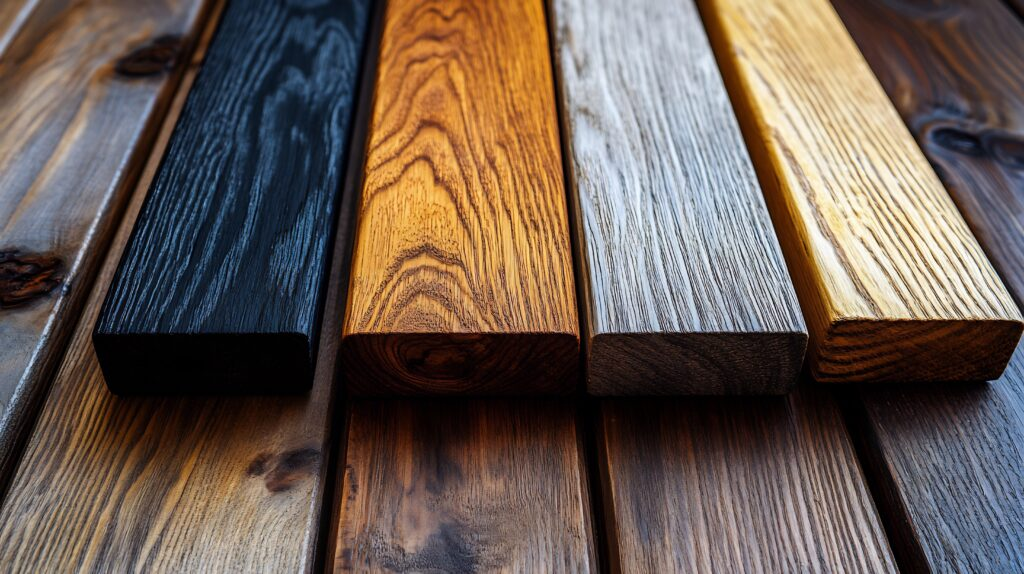
In today’s environmentally conscious manufacturing landscape, water-based coatings have become a preferred solution for wood finishing applications. These coatings offer reduced emissions, improved safety, and compliance with environmental regulations. However, achieving optimal performance in such systems requires advanced additives. This is where waterborne wood coating silica plays a critical role in improving stability, durability, and application quality.
With the growing demand for eco-friendly and high-performance coatings, silica-based additives are increasingly being used to enhance the efficiency of waterborne systems. They help manufacturers overcome common challenges such as poor viscosity control, uneven application, and limited durability.
What is Waterborne Wood Coating Silica
Waterborne wood coating silica refers to the use of silica, particularly fumed silica, as an additive in water-based coating formulations. Its unique structure and properties make it highly effective in improving coating performance.
Key characteristics include:
- High surface area for better interaction
- Excellent thickening capability
- Strong reinforcement properties
- Superior dispersion in water-based systems
These features make silica an essential component in modern waterborne coatings.
Importance of Water-Based Coatings
Water-based coatings are widely used due to their environmental and operational advantages. They provide:
- Low volatile organic compound emissions
- Safer working conditions
- Easy application and cleanup
- Reduced environmental impact
Despite these benefits, they often require additives to achieve the desired performance levels.
How Silica Improves Waterborne Wood Coatings
The addition of silica to water-based coatings enhances their properties in several important ways.
Rheology Control
Silica helps regulate viscosity, ensuring smooth application and preventing defects such as sagging or uneven coverage.
Stability Enhancement
It prevents the settling of particles, maintaining a uniform formulation over time and improving shelf life.
Improved Surface Finish
Silica contributes to a smooth and consistent finish, enhancing the appearance of coated wood surfaces.
Increased Durability
It strengthens the coating structure, improving resistance to wear, moisture, and environmental factors.
Importance in Modern Coating Systems
The use of waterborne wood coating silica technology has become essential in achieving high-performance eco-friendly coatings.
By enhancing viscosity control, improving stability, and ensuring consistent application, silica-based additives enable manufacturers to produce coatings that meet both environmental and performance standards.
Applications in Wood Finishing
Silica-enhanced waterborne coatings are widely used in various wood finishing applications.
Furniture Manufacturing
They provide a smooth and durable finish, improving the quality and lifespan of furniture products.
Flooring Industry
Wooden flooring benefits from improved resistance to wear and environmental conditions.
Decorative Panels
Silica ensures consistent and high-quality finishes for decorative panels used in interiors.
Cabinets and Interior Elements
Cabinets and other interior wood elements benefit from enhanced durability and aesthetic appeal.
Benefits of Using Silica in Waterborne Coatings
The integration of silica into water-based coatings offers several advantages.
It improves viscosity control, ensuring smooth and uniform application.
It enhances stability, preventing separation and maintaining consistent performance.
It increases durability, making coatings more resistant to environmental factors.
It supports eco-friendly formulations by enhancing water-based systems.
Factors to Consider When Using Silica
To achieve optimal results, manufacturers should consider several factors when incorporating silica into formulations.
Proper dispersion is essential to ensure uniform distribution of particles.
The dosage should be carefully controlled to balance viscosity and performance.
Compatibility with other components must be evaluated to ensure stability and effectiveness.
Processing conditions should be optimized for best results.
Future Trends in Waterborne Coating Technology
As industries continue to prioritize sustainability, the demand for advanced water-based coatings is expected to grow. Researchers are focusing on developing innovative solutions that offer improved performance and reduced environmental impact.
Emerging trends include nanotechnology-enhanced coatings, eco-friendly additives, and advanced formulations with improved durability and efficiency.
Silica is expected to remain a key component in these advancements due to its versatility and effectiveness.
Frequently Asked Questions
What is waterborne wood coating silica
It is silica used as an additive in water-based wood coatings to improve performance, stability, and durability.
Why is silica used in water-based coatings
Silica enhances viscosity control, prevents settling, and improves the overall quality of coatings.
Does silica improve coating durability
Yes, it strengthens the coating structure and increases resistance to environmental factors.
Conclusion
The shift toward sustainable and high-performance coating solutions has made water-based systems increasingly important in the wood finishing industry. However, achieving optimal results requires the use of advanced additives like silica.
By incorporating waterborne wood coating silica technology, manufacturers can improve coating performance, enhance durability, and ensure consistent application. As innovation continues to drive the industry forward, silica-based solutions will remain a key factor in the development of efficient and environmentally friendly wood coatings.