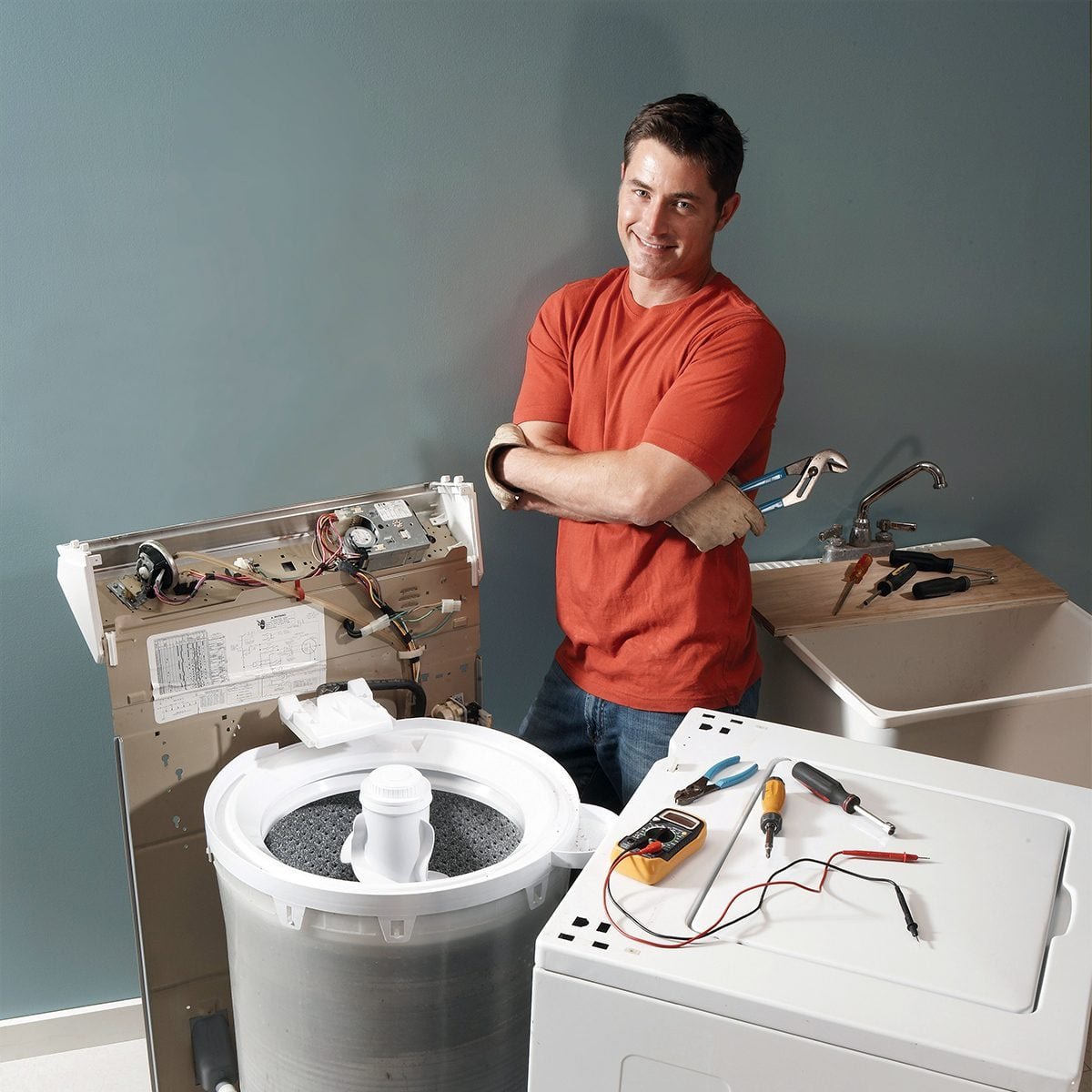
A washing machine is one of the most used appliances in any home. It saves time, keeps clothes clean, and makes daily life easier. But like any appliance, it can develop problems over time. Many washing machine issues start small. A strange sound, a slow drain, a bad smell, or a little water near the machine may not seem serious at first. But if these signs are ignored, they can lead to bigger damage and higher repair costs.
The good thing is that many washing machine problems can be noticed early. Some can be fixed with simple checks at home. Others need a trained technician before the problem gets worse. This guide explains the most common washing machine problems, what they mean, and what you can do before calling for help.
1. Washing machine not draining properly
One of the most common problems is poor drainage. You may notice water left inside the drum after the cycle ends. Clothes may come out wetter than usual. The machine may also stop before completing the wash.
A blocked drain filter is often the reason. Small items like coins, hair pins, lint, tissues, buttons, and fabric pieces can collect in the filter. When the filter is blocked, water cannot leave the machine properly.
You can check the drain filter if your machine manual shows how to open it safely. Place a towel near the bottom because some water may come out. Clean the filter and remove any dirt or small objects. If the machine still does not drain, the drain hose or pump may be blocked. At that point, it is better to get professional help.
2. Washing machine making loud noise
A washing machine should not make loud banging, grinding, or scraping sounds. Some sound during the spin cycle is normal, but strong noise usually means there is a problem.
A banging sound may happen when clothes are not balanced inside the drum. Heavy items like towels, blankets, and jeans can move to one side during spinning. This makes the drum hit the sides of the machine. Try stopping the cycle, spreading the clothes evenly, and starting again.
A grinding sound may point to a worn bearing or drum issue. A scraping sound may mean something is stuck between the drum and outer tub. These problems should not be ignored. If the noise continues, stop using the machine until it is checked. Using it again and again can damage the drum, motor, or belt.
3. Washing machine shaking during spin cycle
Strong shaking is another common issue. The machine may move from its place or hit the wall during spinning. This often happens when the appliance is not level. It can also happen if the floor is slippery or uneven.
First, check if the machine stands firmly. Try moving it gently from corner to corner. If it rocks, the feet may need adjustment. Most machines have adjustable legs at the bottom. You can turn them to balance the machine.
Also check the load. Washing one heavy item alone can cause strong vibration. Mix heavy items with similar clothes so the weight spreads evenly.
If the machine still shakes after these checks, the suspension system or shock absorbers may be worn. This is common in older machines or heavily used washers. A technician can check the internal parts and replace them if needed.
4. Water leaking from the washing machine
Water leakage should always be taken seriously. Even a small leak can damage floors, cabinets, and nearby walls. In apartments, it can also create problems for people living below.
Leaks can come from different areas. If water appears behind the machine, the inlet hose may be loose or cracked. If water comes from the front door, the rubber door seal may be dirty, damaged, or blocked by clothing. If water appears under the machine, the drain hose, pump, or internal pipe may be the cause.
Start by checking the visible hoses. Make sure they are tight and not cracked. Clean the rubber seal around the door, especially in front-load machines. Sometimes small pieces of fabric or hair can stop the door from closing properly.
If the leak continues, avoid using the machine. Water and electricity are a dangerous mix. A professional inspection is the safest option.
5. Washing machine not spinning
If the drum does not spin, clothes will stay wet after the wash. This can happen because of an unbalanced load, a faulty lid switch, a worn belt, motor problems, or a blocked drain system.
First, check if the machine is overloaded. Too many clothes can stop the drum from spinning correctly. Remove some clothes and try again. Also check if the door is closed properly. Many machines will not spin if the door lock is not working.
If the machine fills and drains but still does not spin, there may be a belt, motor, or control board issue. These parts need proper testing. Do not try to open electrical parts yourself if you do not have experience.
6. Bad smell inside the washing machine
A bad smell is very common, especially in front-load washing machines. The smell usually comes from moisture, detergent residue, lint, and mould inside the drum or rubber seal.
After every wash, leave the door slightly open so the drum can dry. Wipe the rubber seal with a clean cloth. Clean the detergent drawer because softener and detergent can build up there. Run a hot drum-clean cycle once a month if your machine has that feature.
Using too much detergent can also cause smell. More soap does not mean cleaner clothes. It can leave a sticky layer inside the machine. Use the amount suggested on the detergent pack.
7. Detergent not dissolving properly
If detergent stays in the drawer or sticks to clothes, the water flow may be weak. The detergent drawer may also be blocked. Remove the drawer and wash it with warm water. Clean any thick detergent buildup.
Powder detergent can sometimes clump in humid areas. In places like Dubai, laundry spaces may become warm and humid, especially if the machine is near a balcony or kitchen. Store detergent in a dry place and keep the lid closed.
If the drawer is clean but detergent still does not wash away, the water inlet valve may be faulty. A technician can test the water flow and replace the part if needed.
8. Washing machine stopping mid-cycle
A machine that stops during a cycle can be frustrating. It may stop because of poor drainage, door lock failure, overheating, low water pressure, or an electrical fault.
Check if the door is fully closed. Also check if the water supply is open. If there is an error code on the display, note it down before switching off the machine. Error codes help technicians find the issue faster.
If the machine stops often, do not keep restarting it without knowing the reason. Repeated restarts can put pressure on the motor and control board.
9. Clothes coming out dirty or soapy
If clothes do not come out clean, the problem may not always be the machine. Overloading is a common reason. Clothes need space to move. If the drum is packed, water and detergent cannot move properly.
Too much detergent can also leave clothes sticky or soapy. Use the right wash program and the correct detergent amount. Clean the drum and filter regularly.
If cleaning habits are good but the washing quality is still poor, the water inlet, heating element, or drum movement may need checking.
10. When to call a professional
Simple issues like an unbalanced load, a dirty filter, or detergent buildup can often be handled at home. But some problems need expert help. Call a technician if there is water leakage, a burning smell, repeated error codes, a loud grinding noise, no spinning, or electrical trouble.
For homeowners in busy cities like Dubai, a quick inspection can prevent bigger appliance problems. If the same issue keeps coming back, booking washing machine repair Dubai with AtoZ Appliances is usually better than trying temporary fixes again and again.
Final thoughts
Washing machine problems are easier to fix when they are noticed early. Pay attention to changes in sound, smell, drainage, vibration, and washing quality. Clean the filter, avoid overloading, use the right detergent, and keep the machine dry after use. These small habits can reduce breakdowns and help your appliance last longer.