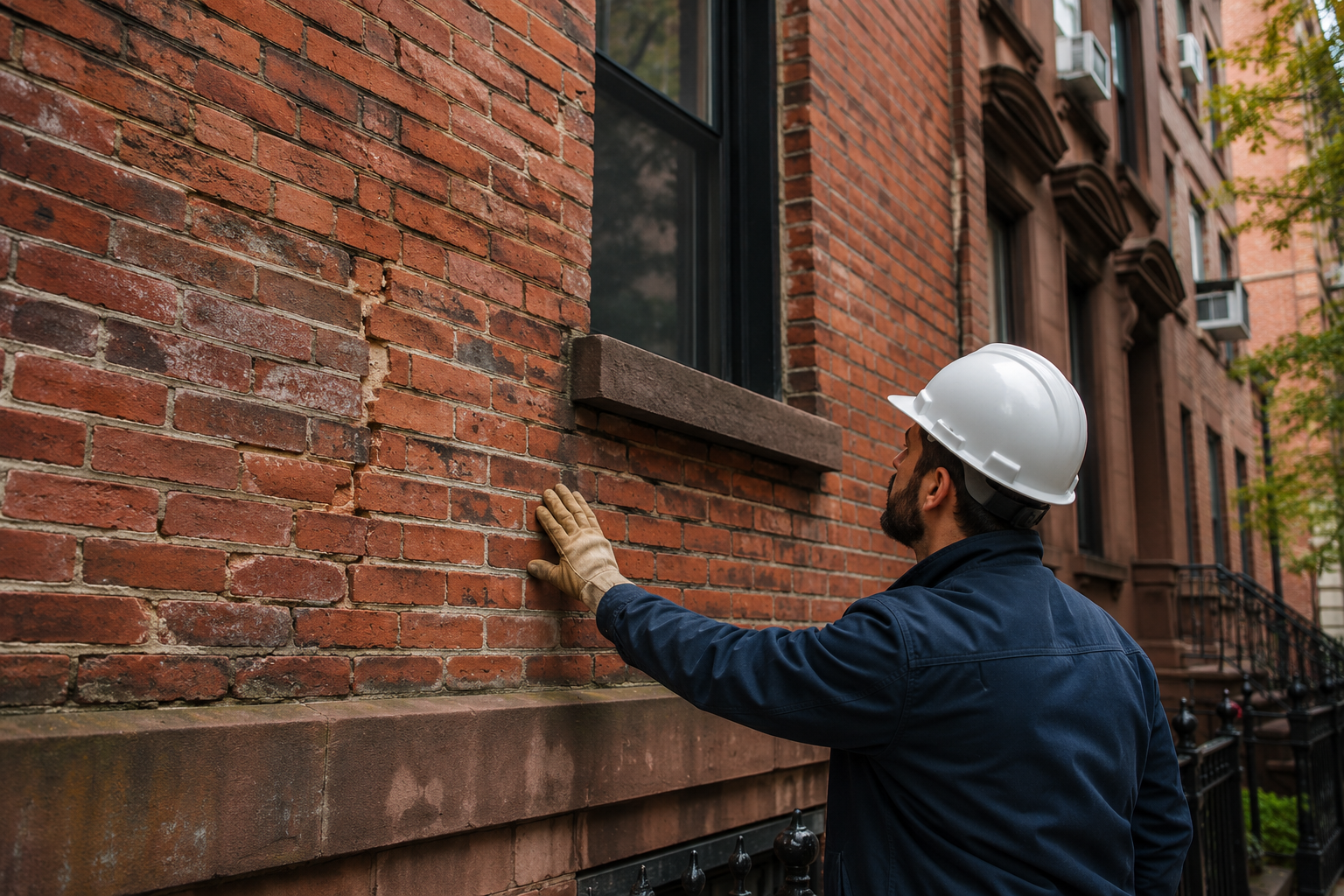
Brick buildings are a major part of New York City’s character. From old brownstones and row houses to pre-war apartment buildings and mixed-use properties, brick masonry can last for generations when it is maintained properly. However, even the strongest brick building depends on healthy mortar joints.
Mortar is the material between bricks. It helps hold the wall together, seals gaps, and protects the structure from water entry. Over time, NYC weather, moisture, pollution, building movement, and freeze-thaw cycles can weaken the mortar. When that happens, brick pointing may be needed.
Brick pointing is the process of removing damaged mortar and replacing it with fresh mortar. It helps restore the wall’s protection, stability, and appearance. For older NYC buildings, recognizing the early warning signs can prevent more expensive masonry repairs later.
Why Mortar Joints Matter in NYC Buildings
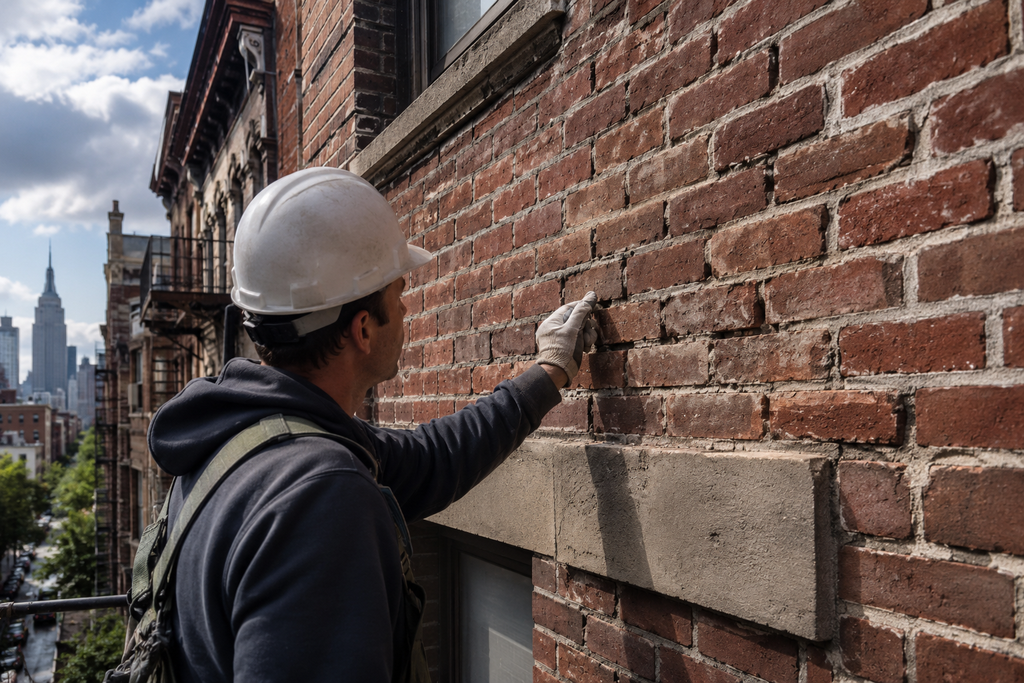
Many property owners focus on the bricks themselves, but the mortar joints are just as important. Mortar helps keep water out of the wall system and supports the overall condition of the masonry.
In New York City, buildings face harsh seasonal changes. Rain, snow, humidity, and freezing temperatures can all affect exterior brickwork. When mortar begins to crack or crumble, water can enter small openings. Once moisture gets inside, it can cause more damage during cold weather as water freezes and expands.
This is why early maintenance matters. Professional brick pointing NYC services are often used when mortar joints show visible signs of wear but before major brick damage develops.
1. Crumbling or Powdery Mortar
One of the clearest signs that a building may need brick pointing is crumbling mortar. If the mortar between bricks looks sandy, powdery, or weak, it may no longer be protecting the wall properly.
You may notice small pieces of mortar falling from the joints or collecting near the base of the wall. In some cases, the mortar may break apart when touched. This usually means the material has lost strength due to age, moisture exposure, or weather damage.
Crumbling mortar should not be ignored. Once the joints weaken, water can enter more easily and cause deeper masonry issues.
2. Gaps Between Bricks
Open gaps between bricks are another common warning sign. These gaps may appear as small holes, missing sections of mortar, or uneven joints across the wall.
Even minor gaps can create a path for water. During NYC winters, water can enter these openings, freeze, and expand. This can push against the surrounding bricks and make the damage worse over time.
If gaps are visible across several areas of the facade, the building may need repointing to restore the joints and reduce water entry.
3. Cracked Mortar Joints
Cracks in mortar joints often appear as thin lines between bricks. At first, they may seem minor, but they can grow if left untreated.
Cracked mortar allows moisture to move into the wall. This can lead to staining, dampness, loose bricks, or damaged interior surfaces. In older buildings, cracks may also appear near corners, windows, parapet walls, or areas exposed to heavy weather.
When cracks are limited to the mortar and the bricks are still in good condition, brick pointing may be enough to correct the issue.
4. Loose or Shifting Bricks
Loose bricks are a more serious sign of masonry deterioration. When mortar loses strength, it can no longer hold the bricks firmly in place. As a result, some bricks may shift, move, or feel unstable.
This issue is especially important for NYC buildings because loose exterior masonry can create safety risks. If bricks are visibly displaced or the wall surface looks uneven, the condition should be checked as soon as possible.
In some cases, repointing may be part of the solution. However, if the bricks are damaged or unstable, brick repair NYC may also be needed before the wall can be properly restored.
5. Water Stains on Interior Walls
Water stains inside the building can sometimes point to damaged exterior mortar. If rainwater enters through open mortar joints, it may travel through the wall and appear as stains, damp patches, peeling paint, or bubbling plaster inside.
This is common in older NYC buildings where exterior brickwork has not been maintained for years. The leak may not always appear directly behind the damaged area because water can move through hidden wall spaces.
If interior water stains appear after rain or snow, the exterior brick joints should be inspected.
6. White Staining on Brick Surfaces
White staining on brick is often called efflorescence. It appears when moisture moves through masonry and brings mineral salts to the surface.
While efflorescence itself is not always dangerous, it can be a sign that water is entering or moving through the brick wall. If it appears together with cracked mortar, gaps, or damp areas, the building may need masonry maintenance.
In NYC, this issue is often seen on exposed walls, parapets, chimneys, and older facades that face heavy weather.
7. Damp or Musty Areas Near Brick Walls
A damp smell, musty interior area, or repeated moisture problem near a brick wall may be connected to failing mortar joints. When exterior masonry allows water inside, it can affect indoor comfort and building materials.
This problem can become worse during rainy seasons or after snow melts. If the same area becomes damp repeatedly, the exterior brickwork should be checked for open joints, cracks, or missing mortar.
Brick pointing can help reduce moisture entry when the problem is caused by deteriorated mortar.
8. Uneven or Weathered Mortar Lines
Healthy mortar joints should look consistent and properly filled. If the mortar lines look recessed, uneven, deeply worn, or washed out, the wall may be losing protection.
Weathered mortar is common on older NYC facades, especially on walls exposed to wind-driven rain. Over time, the surface of the joint wears away, leaving the bricks more exposed.
If the joints are deeply recessed, repointing can help restore the wall’s protective surface.
9. Cracks Around Windows and Door Openings
Windows and doors are common weak points in masonry walls. Cracks near these openings may appear because of building movement, water damage, aging mortar, or stress around the frame.
In older NYC buildings, mortar around window lintels, sills, and edges can weaken over time. If these areas show gaps or cracks, they should be inspected before water begins entering around the openings.
Brick pointing can help seal and stabilize the surrounding masonry when the damage is limited to the joints.
10. Bricks Starting to Spall or Break
Spalling happens when the face of a brick begins to flake, chip, or break apart. This often occurs when moisture enters the wall and damages the brick during freeze-thaw cycles.
While spalling is a brick problem, it may begin because damaged mortar allowed water into the wall. If spalling appears along with cracked or missing mortar, the building may need both brick repair and repointing.
Addressing the issue early can help prevent larger sections of masonry from deteriorating.
Why Early Brick Pointing Saves Money
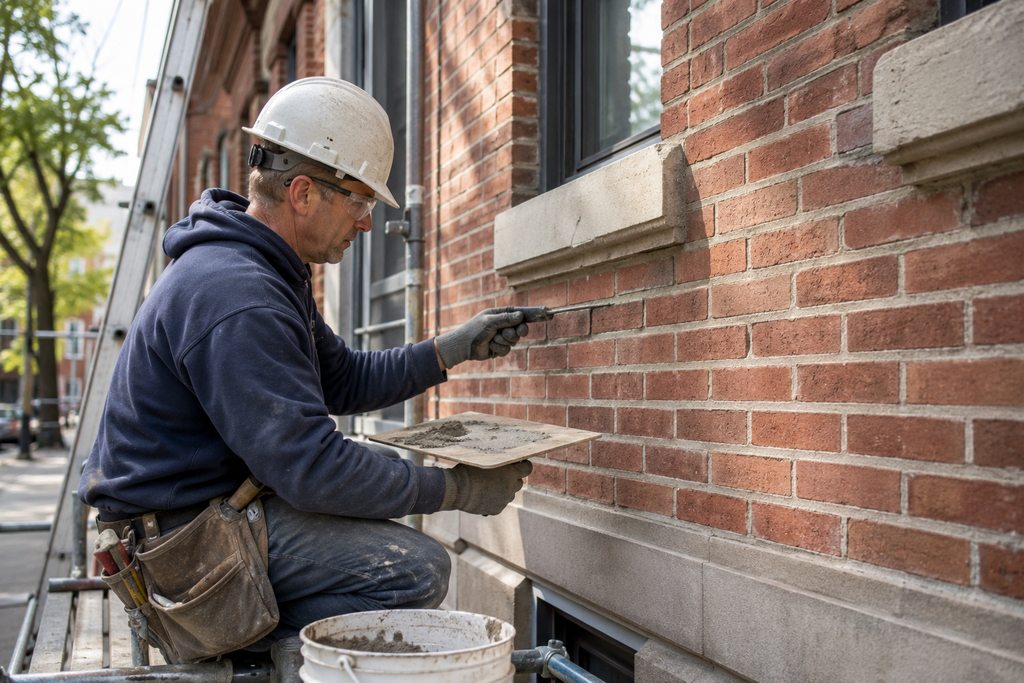
Small mortar problems are usually easier and less expensive to repair than major masonry damage. When mortar joints are restored early, the wall is better protected from water, weather, and movement.
If damaged mortar is ignored, the building may later need more extensive work, such as brick replacement, leak repair, facade restoration, or structural masonry repairs. For NYC property owners, early brick pointing is a practical maintenance step that can help protect both safety and property value.
Final Thoughts
Older NYC buildings need regular masonry care, especially when mortar joints begin to show signs of wear. Crumbling mortar, open gaps, cracks, loose bricks, water stains, and white staining are all warning signs that brick pointing may be needed.
The key is to act before minor mortar damage turns into a larger building issue. Brick pointing helps protect older brick structures from water damage, facade deterioration, and costly repairs while preserving the character of New York City’s buildings.
FAQs
How do I know if my NYC building needs brick pointing?
Your building may need brick pointing if you notice crumbling mortar, gaps between bricks, cracked joints, loose bricks, or water stains after rain.
Is cracked mortar a serious problem?
Yes. Cracked mortar can let water enter the wall, which may lead to leaks, brick damage, and larger masonry repairs over time.
Can brick pointing stop water from entering a building?
Brick pointing can help reduce water entry when the problem is caused by damaged, missing, or weakened mortar joints.
What happens if damaged mortar is ignored?
If damaged mortar is ignored, water can move deeper into the wall and cause loose bricks, spalling, interior dampness, or facade deterioration.
Is brick pointing different from brick repair?
Yes. Brick pointing fixes the mortar joints between bricks, while brick repair focuses on damaged, cracked, loose, or broken bricks.