Common home plumbing problems can come out of the blue which in turn leaves homeowners stressed and at a loss what to do. But also it is found that many common plumbing problems are easy to deal with if you have a bit of background info and a couple of basic tools. This piece is intended for those of you who have little to no plumbing experience, which is why we provide very easy to follow reports on what the most typical problems are and what can be done about them. By getting to know the causes of everyday plumbing issues you can get the minor stuff fixed without issue before they grow into something that will cost a fortune in repair. Also by learning some basic plumbing techniques you put in the power to keep your household running smoothly and in the long term save both time and money. In this article we will go over 15 very common plumbing issues and present you with simple enough fixes you can try yourself at home.
1. Dripping Faucets
Leaky faucets are an all too common issue in home plumbing. Typically what we see is a worn out washer, O ring, or cartridge as the cause. As water constantly drips out, it not only wastes what we have of this resource but also increases your utility bills. To fix a leaky faucet first turn off the water supply at the sink. Then disassemble the faucet handle and have a look at the inner parts for wear. In most cases in which we see a leak it is from replacing the damaged washer or O ring which does the trick. Also at reassembly apply some plumber’s grease which in turn will help components last longer. Also do not forget that with regular maintenance you can prevent leaks from happening again.
2. Blocked Drains
Clogged drains is a pain which may put a stop to your sink, shower, or bathtub. What usually happens is that hair, soap scum, and food particles are the culprits. For minor clogs a plunger is a easy first step. Should that not work try a drain snake or auger for removing blockages which are far in the pipe. Also out of question are chemical drain cleaners which over time will damage pipes. Regularly cleaning out drain strainers and running hot water down the drain once a week will prevent build up. By being aware of what causes everyday plumbing issues you can catch a clog before it happens.
3. Potty Issues
A running toilet which also is a waste of water at the same time can be very noisy. Usually what happens is the flapper in the tank doesn’t close properly or the fill valve breaks down. To start out try to turn off the water supply and then remove the tank lid to see the flapper. We may just clean or replace the flapper which in most cases will stop the leak. Also in some cases the chain which connects the flapper may need to be adjusted or the fill valve replaced. By regularly checking the toilet components you can make sure they are working right and also which in turn will avoid unexpected overflows.
4. Low Pressure in the Water System
Low water pressure is a result of pipe buildup, leaks, or issues with the municipal water supply. Over time mineral deposits in pipes can reduce flow. As a solution first try and clean out the faucet aerators and showerheads by soaking them in vinegar which will dissolve the deposits. Also go over exposed pipes for leaks even small ones will decrease pressure. If the issue still exists you may have to flush the main water line or call in a professional. Maintaining good water pressure improves overall household comfort and also puts less strain on your plumbing fixtures.
5. Water Issues with Heaters
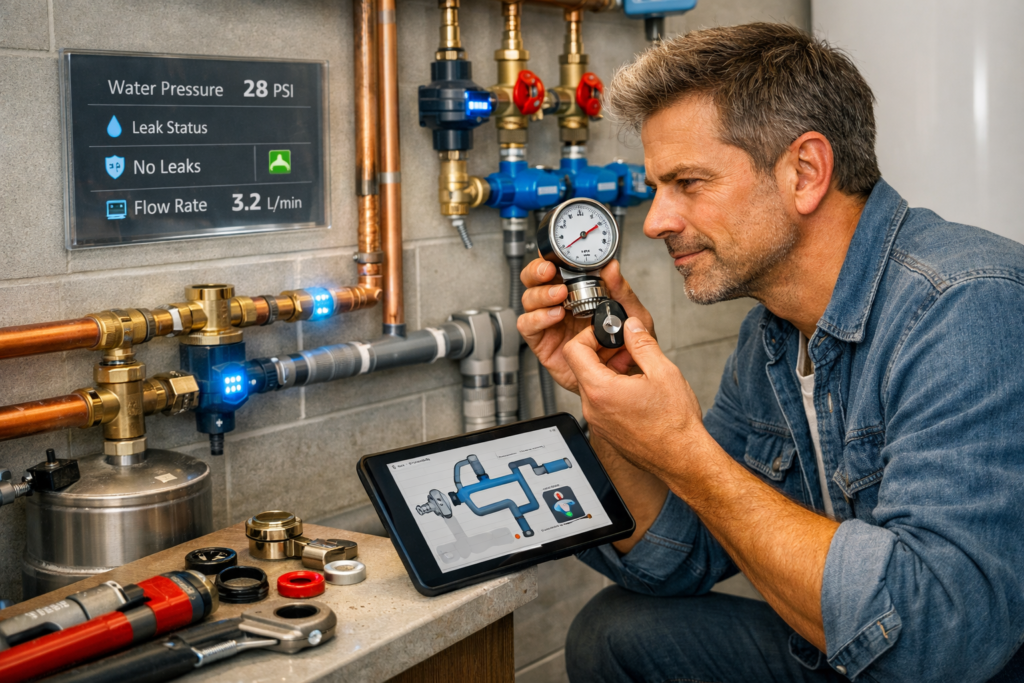
A broken water heater will leave you out of luck with warm shower and no heat for your cooking. Scale build up, thermostat burn out, or failed heating elements are typical issues. If you have a electric water heater, turn off the power and check the heating element for wear or damage. Also drain the tank out occasionally which in turn will remove the scale and increase the tank’s life. For the gas water heaters check the pilot light and the gas lines. Routine service will keep the hot water flowing and also see to it that those breaks at inopportune times will be reduced.
6. Shower Heads Which Drip
Shower heads which run constantly are usually due to worn out washers or mineral deposits. To fix a dripping shower head try to remove it and soak in vinegar which will remove the deposits. If the issue still stands, it is time to replace the rubber washers within. Also check the shower valve and cartridge for wear. Regular cleaning will prevent mineral build up and will also maintain water efficiency. A proper working shower head not only conserves water but also improves the quality of your shower.
7. Secluded Toilets
Toilet clogs are due to over use of paper and passing of foreign objects. A plunger is the initial solution, but for hard blockages a toilet auger does a better job of clearing out the stoppage. Out of the home sanitary products and wipes which do not break down should not be flushed. Also it is important to inform family members what is and what is not flushable which in turn will help to avoid repeat issues. Maintaining a free flowing toilet is a way to avoid inconvenience as well as protect your pipes.
8. Pipe Leaking
Pipe failure is a issue which may present itself in any part of the home and is usually a result of corrosion, loose fittings, or high water pressure. We find it very important to note leaks at the earliest which in turn will help to a great extent in avoiding water damage. Tell signs of a leak include water marks, damp patches, or an unusual increase in your water bill. For small scale leaks do it yourself solutions like using plumbers tape or a pipe repair clip which may serve as a temporary fix. In large scale issues which are a result of serious damage to the pipe, replacement of the affected section is the only solution. Also it is a good idea to do regular inspection of your pipes which is very much so in older homes in order to put off sudden failures and large scale repair bills.
9. Pump Out Failure
In your basement if you have a sump pump which fails it may cause flooding. Power outages, clogged pumps, or mechanical issues are common causes. Also do periodic tests of your sump pump by putting water in the pit to see that it turns on and drains water well. Also clean the pump intake and float switch for proper function. Also have a battery backup pump for security in the case of power outages. Regular maintenance will prevent water damage and keep your basement dry.
10. Water Smell or Discoloration
Water which has changed in taste or color may be a sign of pipe corrosion, bacterial growth, or sediment build up. In many cases rust colored water is a sign of old pipes which have worn out, while a sulfur smell may point to bacteria in the water heater. Flushing out the water system, cleaning aerators, and replacing old pipes will fix these issues. For problems which persist professional testing is recommended to ensure water safety. Good quality, odor free water improves both health and home comfort.
11. Freezing Pipes
Frozen pipes are a issue in cold climate areas and they will burst if left unattended. To prevent freezing out pipes which is easy do insulate them in attics, basements and garages. If a pipe does freeze use a hair dryer or heating pad to thaw it slowly, start at the faucet. Also do not use open flame which is very dangerous. Also to prevent pressure build up which can happen with extreme cold run the faucets a little. Winter preparation is key to avoid plumbing issues and expensive water damage.
12. Waste Disposal Problems
Garbage disposals do indeed jam, leak out, or stop working all together because of improper use or when they have too much put through them. Before you do any repair work make sure the power is off. If the disposal is jammed get a hex wrench and try to spin the motor from the bottom. Also do not put in fibrous or hard materials which will reduce your chance of clog issues. For best results clean out your disposal and run cold water at the same time it is in use which also will increase its life.
13. Issues with Water Softeners
Hard water causes scale build up in pipes and appliances. With time you will have to recharge the water softener and replace the salt which is a part of the process. Also see to it that you have no salt bridges which is a result of salt solidifying in the tank and which in turn will put the unit out of service. Also clean the brine tank and follow what the manufacturer says for best results. By maintaining your water softener you will improve water quality and at the same time protect your home’s plumbing fixtures.
14. Sewage Line Overflows
Sewer overflows are a nuisance and if left untended they may cause damage to your home. Blockages are caused by tree roots, grease accumulation, or pipe decay. Do not put grease or large waste down the drain and consider installing a backwater valve which will put a stop to sewage flow in the wrong direction. For large scale back ups professional plumbers with the right equipment will be required. Regular checkups and maintenance work to reduce the risk of large scale sewer issues.
15. Leaky Hose Bibs
Outdoor hose bibs also leak from worn out washers or from cracks in the spigot. You may turn off the water supply, take out the handle, and check out the internal washer. Often what is required is to replace the washer or tighten up connections which in turn will stop the leak. In cold climate areas it is also a good practice to drain out the hose bibs and use insulating covers for winter which in that way prevent freezing and damage. With proper care you’ll get dependability of water access for outdoor jobs and also you will see a reduction in water waste.
Conclusion
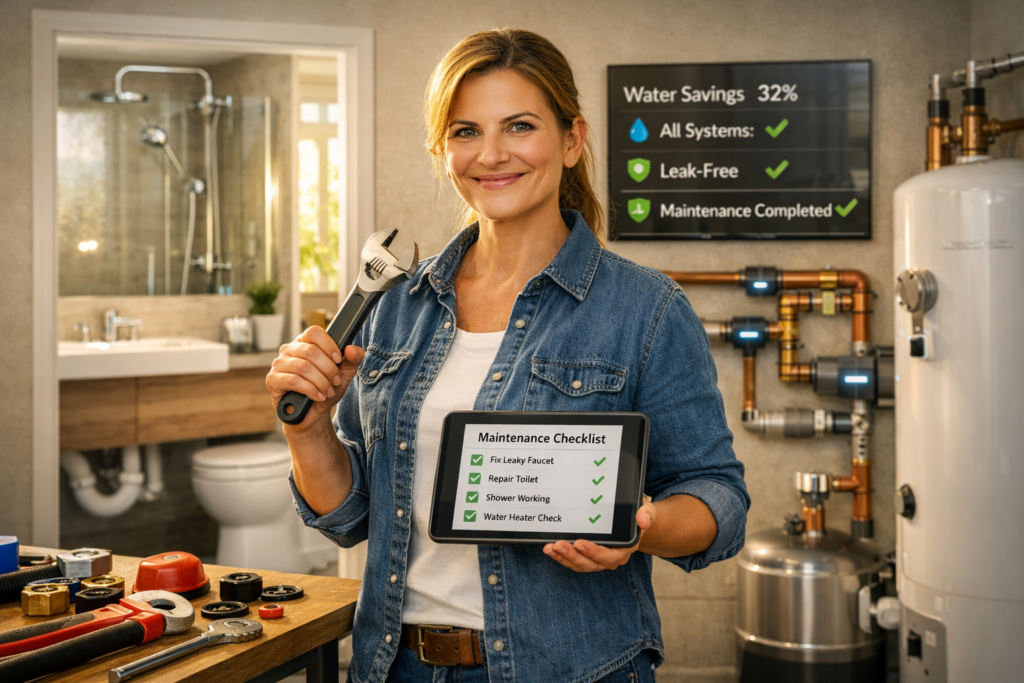
Tackling most plumbing problems may at first appear daunting, but with the right info and tools many issues can be handled by the homeowner. Identifying the causes of every day plumbing problems is the first step toward fixing them and preventing them from happening. With regular maintenance, smart use of the plumbing systems in your home, and paying attention to small issues as they come up you will save yourself time, money, and stress. By what is put forth in this guide you can feel confident in your ability to handle typical plumbing challenges and to run a home that is a model of functionality.