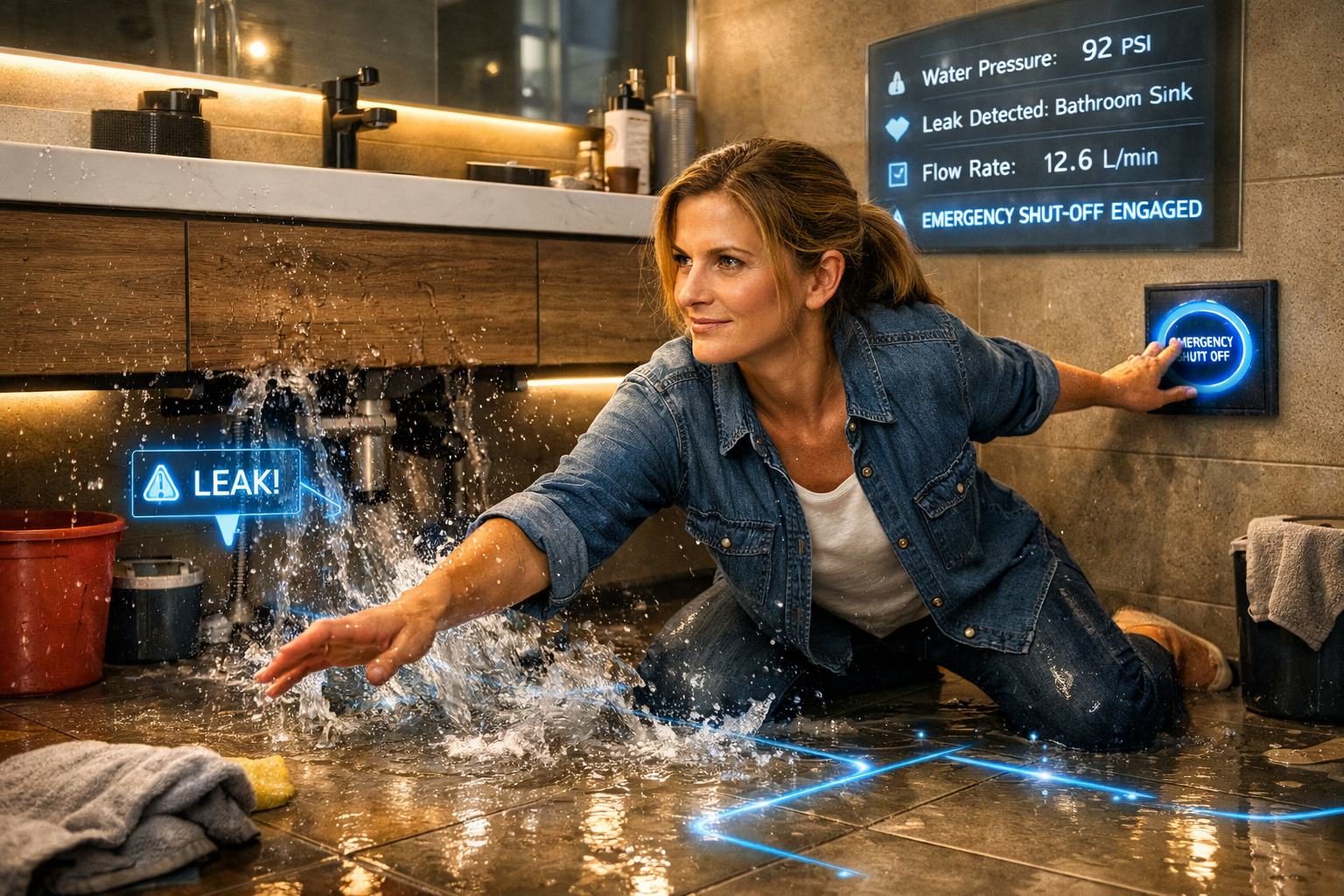
Plumbing issues can pop up at any time which in turn turns what was a normal day into a stress filled and expensive issue. We have had pipes burst which in turn flood out basements, seen toilets overflow which creates health issues, and had leaks which at times threaten structure damage. Homeowners usually only have a short amount of time to react before the issue gets worse. What we do in that first response time can make a large scale of difference in the damage that is done, the repair costs which in turn protect our property. While some plumbing issues can wait for our scheduled service, others require immediate attention to1 which is the difference between a minor issue and a major one. This is info every home owner should have.
Also, prior to a crisis which may arise prepare yourself as much as possible so that during a state of stress you will be able to think clearly and act out a plan. All homes should know where the primary water turn off is, be familiar with some basic safety in plumbing, and have at hand a set of key tools. Although professionals do what is required in serious issues, it is in the first which is critical that which the degree of the issue plays out. This guide goes over the 15 most common plumbing emergencies, what you can do about them, and also which issues you should bring to the pros.
Immediate Action in Plumbing Emergencies
When out of the blue large amounts of water get into the home damage happens right away. Floors, walls, furniture, electrical systems and personal possessions may all absorb water in a short time. Also long term moisture is a perfect environment for mold to grow which in turn causes more repair issues and health problems. What may be a small leak at the time is in fact a large issue if not caught in time.
For this issue home owners do put yourself up to date with common plumbing situations that require immediate attention before an emergency happens. To be able to recognize serious warning signs and react accordingly you do that which will reduce damage in addition to help professionals do their repair work more effectively. Also by acting fast you prevent small plumbing issues from turning into large scale restoration projects.
1. Bursting Toilet
An issue which home owners report frequently is that of the overflowing toilet. At first it may appear to be a small problem but in fact an overflowing toilet has the ability to very quickly spread contaminated water which in turn increases the risk of damage to the home and also exposure to harmful bacteria. Also when it is the sewer which is involved the situation becomes acute as the waste water may contain pathogens which present health risks to the home’s inhabitants.
First out is to stop any more water from getting in the bowl. Take off the tank lid and push the flapper valve down if you can. Also turn off the water supply at the valve which is behind the toilet by the floor. Once the water has stopped flowing, use a plunger to try and clear the blockage. But if plunger doesn’t work or you have backup in multiple toilets and drains at the same time the issue may be with the main sewer line of the home. In that case professional help should be called right away.
2. Pipes that Have Burst

Plumbing disasters which are the most extensive are caused by burst pipes. A broken pipe may release 20 times is volume in a short amount time and it will damage walls, floors, insulation, and personal possessions. In cold months the freeze out is a large factor in pipes breaking but corrosion, over pressure on the water supply also plays a role.
When a pipe bursts at once shut off the main water supply in your home which in turn will stop more water from going through the broken pipe. After that open out all the faucets to let out the rest of the water in the system. Also if water has got into electrical outlets or appliances turn off the power to that area if it is safe to do so. While the above is a temporary solution which will buy you time what it does is not a fix for the broken pipe which in fact requires professional repair or replacement in order to get your plumbing back to normal safe and effective.
3. Extensive Water Damage
In many cases what we see is that a leak does not present itself dramatically. It grows to be a serious issue very gradually. That said by the time a leak does become large scale it may have already damaged drywall, ceilings, floors, and structural elements. Home owners should note warning signs of which are water marks, unexpected pools of water, musty smells, or higher than normal water bills.
If we see a major leakage report it to the nearest shut off valve and we should turn off the water at the source if possible. Place buckets under the leak and move any nearby important items which may be affected by the damage. Also take photos of the damage in case we need to file an insurance claim. As for us being able to handle the issue we should call in professional plumbers when the cause is not clear to us or when damage has gone behind walls, under the floor or into the ceiling.
4. Sewer Backup
A home owner’s worst plumbing nightmare is a sewer line backup. When waste water does not properly go out the sewer system it may come back into sinks, tubs, and showers and also into toilets. Also in addition to which it is very large scale property damage which also presents serious health risks as that which comes out may include harmful bacteria and pathogens.
Common signs are:
- Clogged drains
- Foul smells
- Gurgling from the plumbing
- Wastewater in places it doesn’t belong
If a backup happens, at once stop the use of all plumbing fixtures. To make matters worse if you still use the sink, toilet or washing machine the issue may in fact get worse. Get family members and pets out of the affected areas until professional cleanup and repair has been done. Also since issues with the sewer lines usually require special tools and knowledge best to call in the professionals at the first sign of a problem.
5. Water Tank Failure
Homeowners don’t usually worry about their water heaters until they break down. A sudden loss of hot water may interrupt your routine, but water heater breakdowns also present indicators of more serious issues. Leaks, strange sounds, rust colored water, and uneven temperatures usually point out there is a problem which in turn requires attention.
If your water heater is leaking, first turn off the water supply and the power source. For electric units turn off the breaker. For gas models follow the manufacturer’s instructions for safe shutdown. Some issues may be resolved by replacing parts like the thermostat or heating element but tank corrosion usually requires that the tank be replaced. A professional inspection will determine the best solution.
6. Frozen Water Lines
In cold climates freeze up of pipes is a great issue. As water expands upon freezing it causes pressure in the pipe which in turn increases the chance of it breaking. Also a pipe may not burst but a frozen section of it can stop water flow which in turn leads to large scale damage if attended to right away.
When you have a pipe that has frozen, turn the affected faucet very slightly to allow water to slowly escape as the ice in the pipe breaks up. Use a hair dryer, warm towels, or a space heater for the task of applying gentle heat.
Do not use:
- Open flames
- High temperature devices
They will damage the pipe which also may cause a fire. Also if you can not identify the frozen section of pipe or the safe way to defrost it go get help from a pro.
7. Gas Water Heater is Leaking
Gas water heaters which have unique requirements as they incorporate elements of water and fuel systems. We see that they require special care while a leak may point to a broken part, in the event of gas odor’s presence the situation is much more serious. Natural gas leaks present risks of fire, explosion, and health issues.
If you detect gas in proximity to a water heater get out right away and stay away from electrical outlets and open fire sources. Report the issue only once you have moved into a safe distance and do contact emergency services and a professional. Also because issues with gas go beyond the scope of typical plumbing matters which are everyday non risky for the most part, professional assessment will always be required.
8. Plugged Main Drain Line
A main drain issue is different from a typical sink or shower clog in that it affects the whole house’s plumbing. As waste water has trouble leaving the home, many fixtures may go slow or back up at the same time. Toilets may run over and also foul smells may be noticed throughout the home.
When we suspect a main drain blockage it is best to avoid the use of all plumbing fixtures. Running water will increase the issue of waste which may back up into your living areas. Professionals will often use special cameras and drain cleaning tools for accurate diagnosis and effective removal of obstructions. Early action can also which also in the long term can save on repair and remediation costs.
9. Broken Water Heater Tank
Unlike issues with fittings or valves, a water heater tank that is leaking is a sign of internal corrosion. Also that which we see with tank corrosion is that it is usually a permanent issue. Water may start to accumulate at the bottom of the heater which in turn causes floor damage and in some cases may lead to flooding.
In the best course of action immediately shut off water and power supplies. Also move valuable items to safer locations and watch the leak which is in progress. As a rule in cases of tanks that are worn out permanent repair is rare, in those terms replacement is the main and best solution.
10. Busted Water Pipes
Supply lines which connect appliances and fixtures to the home’s water system are what we are to discuss. Though these lines are of a small caliber, they may still put out great volumes of water in the case of crack, come loose, or totally fail. What we see is that supply line failures reporty most often of all in areas like under the sink, behind the toilet, and near appliances.
Upon finding a broken supply line shut off the local fixture valve when you can. If the valve doesn’t work right go ahead and turn off the home’s main water supply. For temporary measure which will reduce water damage do that but also at first chance repair those damaged supply lines to avoid future issues.
11. Pump Out Failure
Homes with basements usually have sump pumps which are used to prevent flooding from large rainfalls or from ground water which is on the rise. Should a sump pump go out, water may build up quickly which in turn puts at risk finished basement areas, stored items, and structural elements.
If at which your pump stops working first check the power source out and the circuit breaker. Also remove what may be blocking operation if it is safe to do so. It is also that for persistent sump pump issues you usually require professional diagnosis. As basement flooding may happen very fast during storms which is why timely repairs are of great importance.
12. Primary Water Issue
While at present we think of leaking faucets as small issues, a large scale faucet failure may in fact cause a continuous water flow which results in unexpected flooding. Broken handles, damaged cartridges, or cracked components may also see that homeowners are unable to turn the water off.
The first option is to turn off the water at the supply valve under the sink. Once the water is turned off you may assess the damage which in the mean time should not include use of that fixture until after repairs are done. At times professional help may be required if we find that replacement parts are not available or that the issue is with in the plumbing components.
13. Washing Machine Hose Broke
Washing machine hoses are exposed to high water pressure which over time may cause them to weaken. At the point of failure large volumes of water will flood laundry rooms and adjacent areas within minutes. Also it is found that older rubber hoses are more prone to failure.
Immediately go off the hot and cold water supply lines which connect to the appliance. If it is safe do so, break power and then start to remove standing water. To reduce your risk in the future many experts suggest to replace the old rubber hoses with braided stainless steel which does provide better performance and longer life.
14. Below Grade Water Line Leak
In the ground which is where the water line is located issues may go undetected as they are out of sight. Also we see that these issues report large scale water loss which in turn may cause problems with the plants in your yard, home’s foundation, and your utility bill. Tell signs of a problem include:
- Wet spots in the grass
- An increase in what you pay for water
- A drop in water pressure
In case of a large scale underground leak it may be that we turn off the main water supply until repairs which which can be done are completed. Professional plumbers have at their disposal special leak detection equipment which they use to accurately pin point the problem thus reducing unneeded excavation and repair costs.
15. Back Up Issues
Back flow is when we see clean water become infected as it goes in the opposite direction into what is supposed to be a clean water source. This happens out of pressure variations in the plumbing which in turn may put into the drinking water supply harmful elements. Also, by that fact that back flow incidents do fall in the category of serious plumbing emergencies.
If there is a backflow issue at hand stop use of affected fixtures right away. Until it is determined that it is safe do not consume water from what may be contaminated sources. Also as these issues usually require the use of special equipment and the expertise of a professional for resolution get that help immediately.
Basic Plumbing Emergency Tools for Homeowners to Have:
Preparation is key to minimizing damage in emergencies. Home owners should put together a basic emergency kit which may include:
- A plunger
- Adjustable wrench
- Pipe wrench
- Bucket
- Flashlight
- Towels
- Gloves
- Plumbing tape
These simple tools will help you contain the damage until professional help arrives.
Also each member of the family should know the location of emergency supplies and how to turn off water at the main supply. Practicing these actions in advance will save time in a real emergency.
When to Call a Professional Immediately
Although some plumbing issues may be put off till routine service, in other cases prompt professional attention is required. We see that active flooding, burst pipes, sewer back ups, gas issues, and large scale water heater failure are issues which should not be delayed. Also any problem which puts at risk electrical systems, structural elements, or the safety of the occupants requires immediate response.
Home owners do in fact have the say in what they put up with regarding risk. If a issue goes beyond what is normal do it’s repair or grows worse after you have tried initial fixes, at that point it is best to call in a professional licensed plumber.
Conclusion

Plumbing issues at home can pop up at any time but it is the informed homeowner that is best prepared to deal with them. We see such things as a clogged toilet, broken pipes, sewer backup, and reverse flow incidents. Also by knowing the appropriate actions to take you can greatly reduce the damage and protect your home. Also note that in some cases calling in the professionals is the best option which in turn will prevent little issues from turning into large scale disasters.
By learning which to do in case of the 15 home plumbing emergencies, what proper tools to have at hand, and to act fast at the sign of trouble, home owners can protect their homes, reduce on repair costs, and minimize disruption. Preparation and knowhow are the key to doing well in a home plumbing emergency.