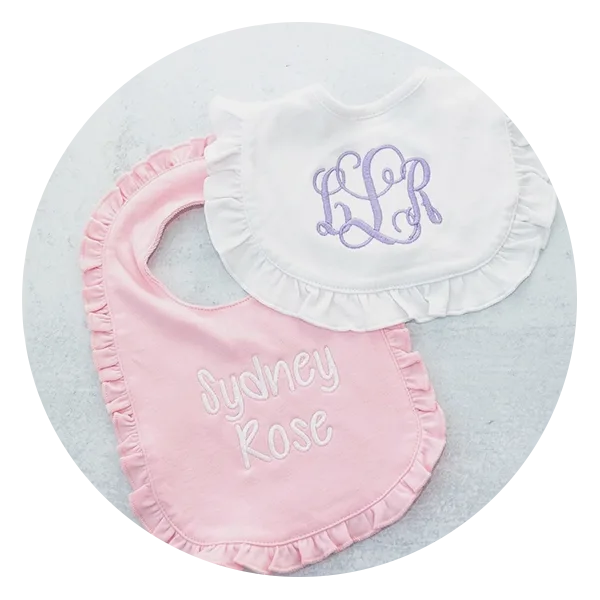
Traditionally, most parents rely on opaque bibs made from fabric, silicone, or plastic-backed materials. They’re familiar, widely available, and designed for one main job: catch the mess.
More recently, a different approach has emerged through brands like Clearly Bibs, which offer clear bibs designed to rethink how feeding accessories look and function. Instead of focusing only on coverage, these bibs introduce visibility and simplicity into the equation.
That raises a practical question for parents: do clear bibs actually improve the feeding experience, or are traditional opaque bibs still the more reliable option?
A Shift in How We Think About Baby Bibs
For a long time, bibs were judged almost entirely on how well they contained mess. If clothes stayed clean, the product did its job. Opaque bibs became the default because they were effective and easy to mass-produce in different materials and designs.
Clear bibs introduce a subtle but meaningful shift. Instead of treating the bib as a visual barrier between child and meal, they aim to reduce that barrier entirely. Products from Clearly Bibs reflect this idea by prioritizing transparency and simplicity in everyday feeding routines.
This difference may seem cosmetic at first, but it influences how babies, toddlers, and caregivers experience mealtime.
Visibility and the Feeding Experience
One of the most noticeable differences between clear and opaque bibs is what the child sees during meals.
Opaque bibs cover the chest with solid color or patterned material, which blocks the child’s view of spills and food movement below the chin. Clear bibs, on the other hand, allow babies and toddlers to see what is happening as they eat.
That visibility can subtly change how children engage with food. For babies beginning solids, seeing food fall or smear can help connect cause and effect. For toddlers, it can make self-feeding feel more interactive and less confusing.
Caregivers also benefit from this openness. It becomes easier to observe eating patterns, track how much food is being dropped, and understand how a child is interacting with different textures.
Comfort and Acceptance During Mealtimes
Comfort is often underestimated when choosing baby products, but it plays a major role in whether a child actually tolerates wearing something.
Opaque bibs can sometimes feel bulky depending on material thickness, especially fabric-based ones with multiple layers. While many children adapt quickly, some may resist anything that feels heavy or restrictive around the neck and chest.
Clear bibs tend to lean toward lighter construction and smoother surfaces. Instead of adding visual or physical bulk, they sit more discreetly against the body. Parents often find that this simplicity helps reduce resistance during feeding, especially with toddlers who are sensitive to textures or clothing changes.
Products from Clearly Bibs are designed with this kind of everyday usability in mind, where the goal is not just protection, but also ease of acceptance during repetitive daily routines.
Cleaning, Convenience, and Daily Practicality
Feeding babies is not a once-a-day activity—it happens multiple times throughout the day, often with different levels of mess each time. This makes cleanup one of the most important factors in any bib choice.
Opaque bibs, especially fabric-based ones, often require washing after repeated use. They can absorb stains from colorful foods and may need regular laundering to stay fresh.
Clear bibs typically use wipeable, water-resistant materials that allow for quick cleanup between meals. Instead of being added to laundry cycles, they can often be cleaned in seconds, dried, and reused shortly after.
For busy parents, especially those managing multiple feedings in a day, this difference can significantly reduce daily workload.
Design and Modern Parenting Preferences
Baby product design has evolved alongside parenting lifestyles. Many families today prefer items that are simple, functional, and visually unobtrusive.
Opaque bibs often feature bright prints, characters, or bold colors. While these designs are fun, they can also create visual clutter during already messy feeding moments.
Clear bibs offer a different aesthetic entirely. Their minimalist design allows them to blend into the feeding experience rather than dominate it. Brands like Clearly Bibs have leaned into this approach, focusing on products that feel modern and practical rather than decorative.
This design direction aligns with a broader parenting trend: less complexity, more functionality.
Are Clear Bibs Actually Effective at Containing Mess?
A common concern is whether transparency compromises performance. After all, a bib must still do its core job—protect clothing from spills.
Effectiveness comes down to structure and material quality rather than appearance. Well-designed clear bibs are typically made from durable, water-resistant materials that are intended for real feeding conditions. They are built to handle liquids, soft foods, and repeated daily use without losing integrity.
In the case of Clearly Bibs, the focus is on balancing practicality with ease of use. The goal is not to replace functionality with design, but to integrate both into a single product that works in everyday feeding environments.
How Bib Design Affects Mealtime Behavior
Beyond cleanliness, bib design can subtly influence how babies and toddlers behave during meals.
With opaque bibs, some children become less aware of what happens when food spills or drops. The bib acts as a visual barrier, separating the child from the mess they create.
Clear bibs remove that barrier. Children can see the results of their actions in real time, which may support learning during self-feeding stages. This can be particularly useful when toddlers are developing coordination and experimenting with different textures.
For caregivers, this transparency can also make mealtime feel more interactive and less chaotic, because there is a clearer visual connection between effort and outcome.
The Changing Role of Baby Feeding Essentials
Bibs used to be seen as purely functional items—simple tools designed to keep clothes clean. But modern parenting has shifted expectations.
Today, products are often expected to do more than one job. They need to be functional, easy to use, and aligned with the realities of busy family life.
This is where companies like Clearly Bibs fit into the broader landscape. Their approach reflects a growing interest in baby products that simplify routines rather than add extra steps to them.
The bib is no longer just a protective layer. It is part of the feeding experience itself.
Choosing the Right Bib for Your Child
When deciding between clear and opaque bibs, it helps to think less about which is “better” overall and more about which fits your daily routine.
Some families prioritize traditional fabric bibs because they are familiar and soft. Others prefer wipe-clean solutions that reduce laundry and simplify cleanup. Clear bibs add another layer of consideration by improving visibility and offering a more minimalist approach to feeding time.
Brands like Clearly Bibs are especially appealing for parents who want something simple, modern, and easy to integrate into multiple daily feedings without extra maintenance.
Final Thoughts
Both clear and opaque bibs serve the same essential purpose, but they approach it differently.
Opaque bibs remain a reliable, traditional option that many parents still trust. They are familiar, widely available, and effective at containing mess.
Clear bibs introduce a newer perspective—one that focuses on visibility, simplicity, and ease of daily use. In doing so, they shift the bib from a purely functional item into something that also shapes how babies and toddlers experience mealtime.
For families looking to reduce cleanup effort and create a more open feeding experience, products from Clearly Bibs offer a modern alternative worth considering.
Feeding babies and toddlers is rarely a neat, predictable process. One moment everything is calm, and the next there’s purée on the tray, milk dripping down the chin, and food ending up everywhere except the mouth. In that everyday reality, bibs are less of an accessory and more of a necessity.