
In collaboration with Girls On A Mission (GOAM), Australia, on Tuesday, the Center for Children’s Health Education, Orientation and Protection (CEE-HOPE) organized an awareness program for school girls in Lagos to commemorate this year’s International Menstrual Hygiene Day.
The program, which took place on Tuesday in Ifako and was attended by more than 200 female teenagers, focused on poor menstrual hygiene and the associated dangers.
The International Day of Menstrual Hygiene, celebrated for the first time on May 28, 2014, is a day set aside to raise awareness about menstrual hygiene and also break taboos surrounding menstruation.
Betty Abah, CEE-HOPE Foundation’s executive director, said that while women have a natural instinct to take care of themselves during menstruation, access to health products remains a problem, especially for girls and women in low-income countries like Nigeria.
“How can women access health products, especially women in difficult situations, women in IDP camps, women with mental health problems, women who have been running for days from community attacks and mountains, how can they access health products?” The question was asked by Mrs Abah.
She said her organization hopes to bring these issues to the front burner, noting that when health products are affordable or free for women and girls, health poverty can be alleviated.
A keynote speaker at the event, Adeolu Olusogo, lectured on menstrual hygiene and the importance of knowing what a menstrual cycle involves to the adolescent girls attending.
“If a woman knows she’s menstruating and can’t hold it together, it results in low self-esteem and cuts the person off a lot of things like going out,” said a medical doctor, Mr. Olusogo.
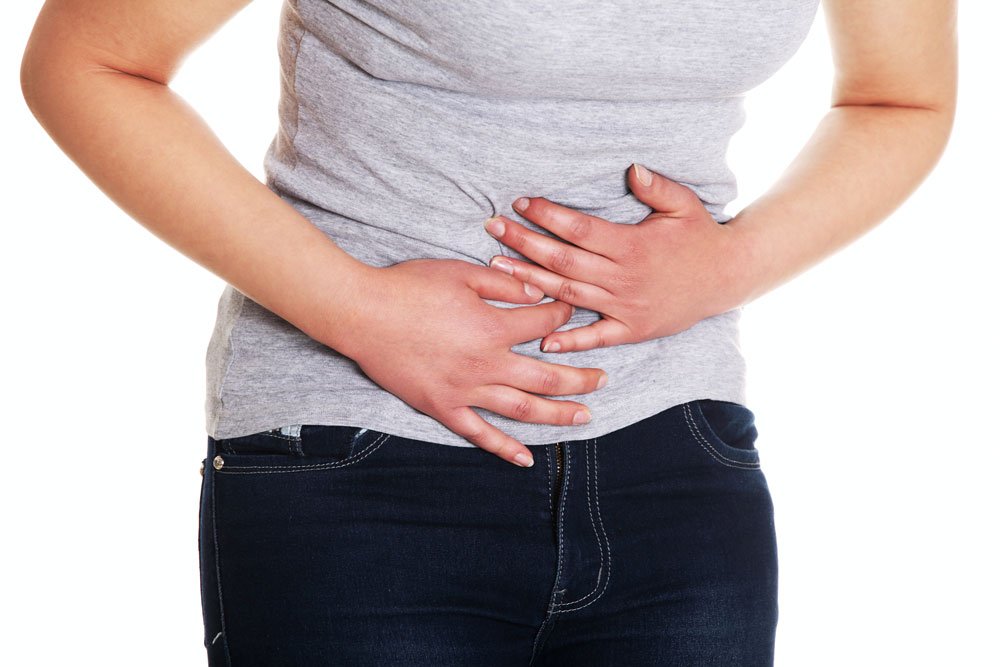
“And because it’s blood, blood is a good substratum for germs to grow, so if a woman has no way to curb the spread or flow, it can cause infection to spread.
He said the infection might spread to the reproductive parts of the woman, leading to infertility.
“It is a process that will lead to infection if the blood is not well curtailed, germs may grow. An infection that is not treated quickly can cause reproductive organ damage.”
Mrs Abah said many girls are going through contractual sex to be able to afford health products.
“They are vulnerable in that situation and are even infected,” she said.
“Why don’t they provide sanitary products if they can provide free condoms? Sex is a choice, but menstrual cycle is not”
She advocated removing taxes on sanitary products and also making products for all women and adolescent girls free or affordable.

I love your blog.. very nice colors & theme. Did you create this website yourself? Plz reply back as I’m looking to create my own blog and would like to know wheere u got this from. thanks
This website online can be a walk-by for all of the info you wanted about this and didn’t know who to ask. Glimpse here, and also you’ll positively discover it.
I was recommended this blog by my cousin. I’m not sure whether this post is written by him as nobody else know such detailed about my difficulty. You are wonderful! Thanks!
great put up, very informative. I wonder why the other specialists of this sector don’t realize this. You must proceed your writing. I’m sure, you’ve a huge readers’ base already!
Keep working ,splendid job!