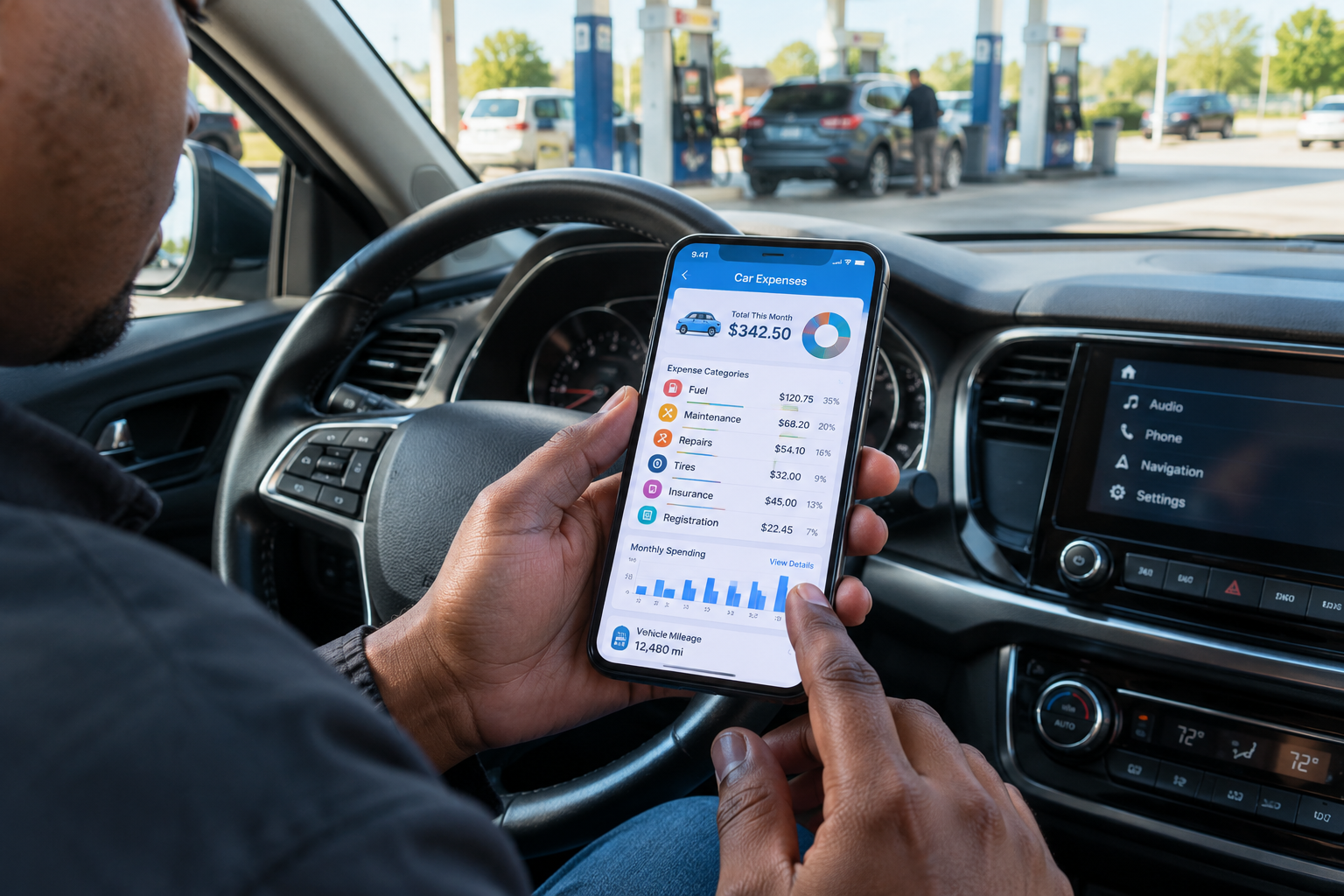
Car Expense Tracking Apps make it easier for vehicle owners to understand where their money goes and how much their cars actually cost to run. When it comes to owning a car, there’s a lot more to it than just fuel. Drivers consistently spend money on maintenance and repairs, tires, insurance, registration, replacement parts, and other automotive services. Some of these costs may be insignificant on their own, but they can become expensive over months and years. Without proper records, vehicle owners may have no idea where their money is going or how much their vehicles actually cost to run.
Expense tracking apps for cars make it much easier to track these costs. Instead of keeping track of all the important expenses in their minds, on paper, or in scattered notes, drivers can keep track of important expenses in one location. These apps provide users with tools to monitor their expenditure, keep an eye on maintenance history, estimate vehicle expenses, and determine changes in expenses. Knowing the right information will enable car owners to make better decisions about maintaining, repairing, or replacing their vehicles.
Why Car Expense Tracking Matters
A lot of vehicle owners take into account only their fuel expenses. Fuel is just one component of the price of owning and operating a car, though. Car expenses can add up to a lot of money through regular maintenance, repairs, insurance, registration, tires, and unexpected mechanical problems. These costs can be tracked to give a better understanding of the real cost of the vehicle.
Tracking expenses can also enable drivers to identify changes in their vehicle expenses. For instance, an owner may find that their car has cost significantly more for repairs over the last year or that it is using more fuel than the year before. These patterns might not be discovered without organized records. A tracking app enables drivers to see past expenses and know whether their vehicle is becoming more expensive to operate.
Monitoring Fuel Purchases and Consumption
Fuel costs are one of the most common expenses related to driving. If drivers log all of their fuel purchases, they can see exactly how much they are spending each week, month, or year. The majority of fuel tracking software solutions allow users to record details such as the amount of fuel purchased, the overall cost, and vehicle mileage. This data may be helpful as a reference for fuel usage and operating expenses over time.
There are a variety of tools available, including Expense Tracking Apps for Fuel, that can help drivers keep track of their fuel expenses and organize their fuel purchases. Regular records can also identify changes in fuel consumption. The records could alert the owner to a sudden change in fuel consumption and lead them to investigate the cause of the increased consumption, such as changes in driving practices or maintenance requirements.
Understanding Fuel Spending Habits
Over a couple of months, it becomes easier to see trends in fuel spending. Drivers can make comparisons between different periods and discover whether costs are higher because of increased driving, higher fuel prices, or lower fuel efficiency. This information is particularly helpful to those who commute frequently or travel long distances.
Knowing how fuel is being used will also help drivers think more carefully about how they use their vehicles. Being able to plan trips efficiently and avoid unnecessary driving can help lower fuel costs. Improvements in fuel efficiency do not always have to be radical to make a significant difference in the long run.
Changing Oil and Filters and Documenting the Process
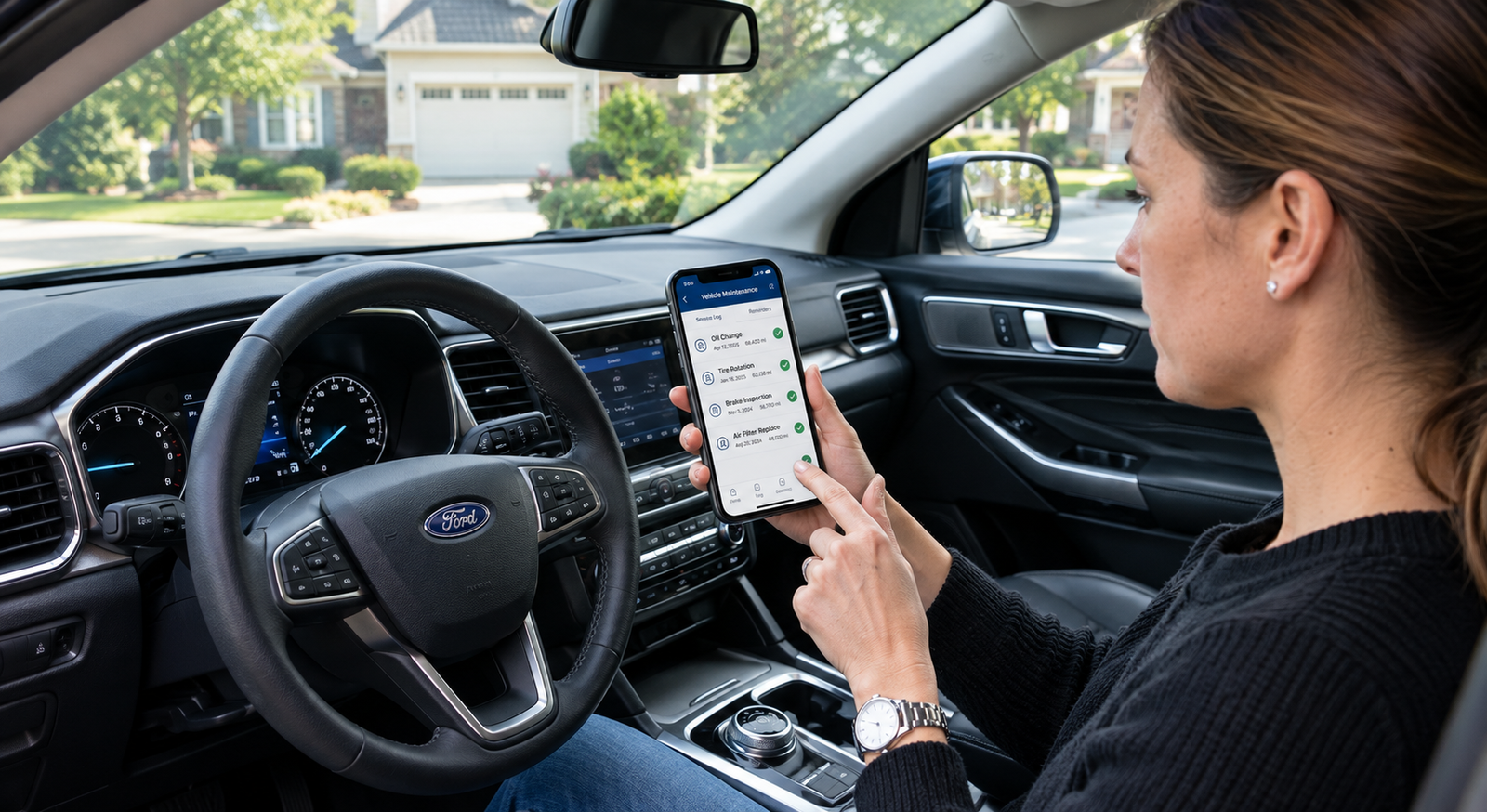
Regular servicing is an important aspect of being a responsible vehicle owner. Oil changes, filter changes, fluid checks, inspections, and other services are provided to keep a vehicle running smoothly. Recording these expenses creates a helpful maintenance log that enables the driver to track what maintenance work has been carried out and at what cost.
Maintaining good maintenance logs can also simplify future servicing. Drivers can keep track of when the last oil change was done instead of having to remember. This lessens the chance of an owner missing vital maintenance and keeps the vehicle on a more organized maintenance schedule.
Using Maintenance Reminders
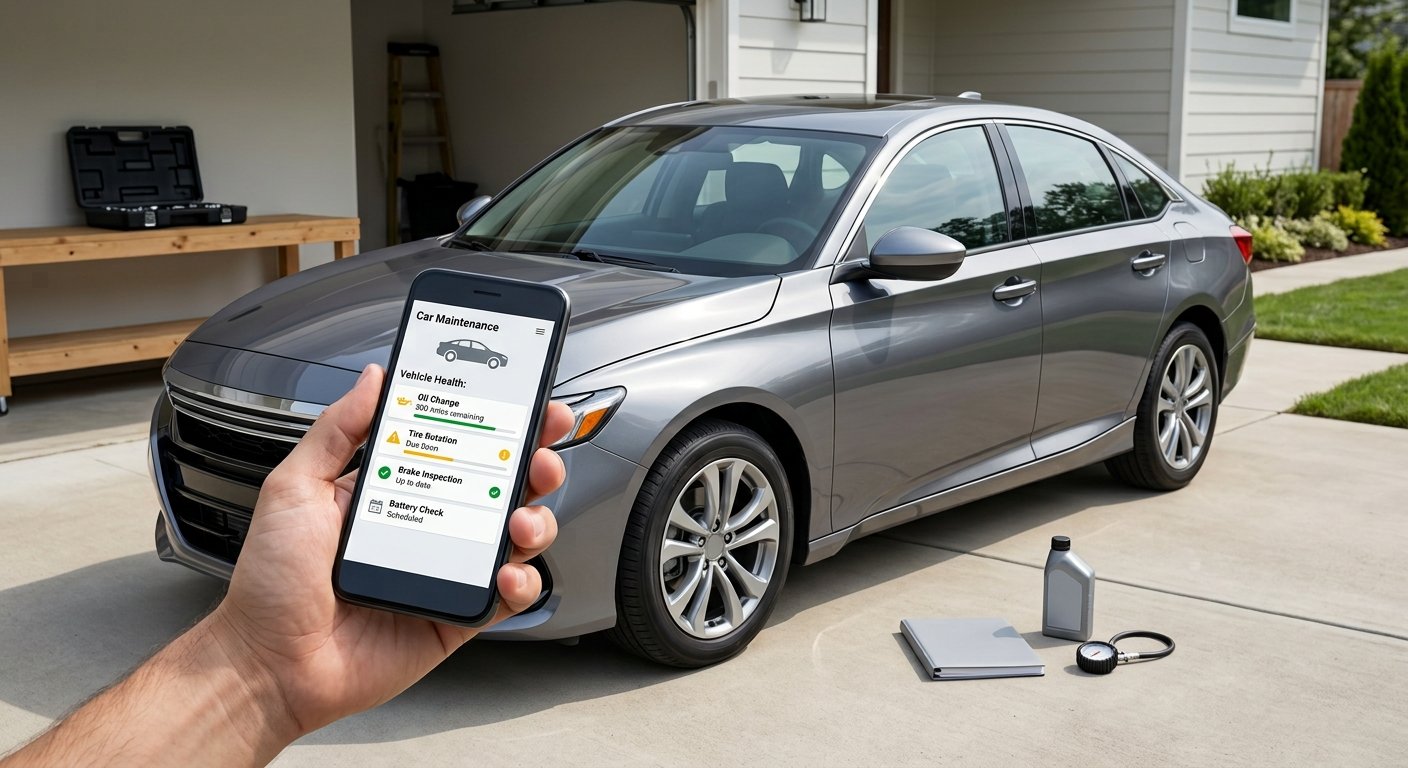
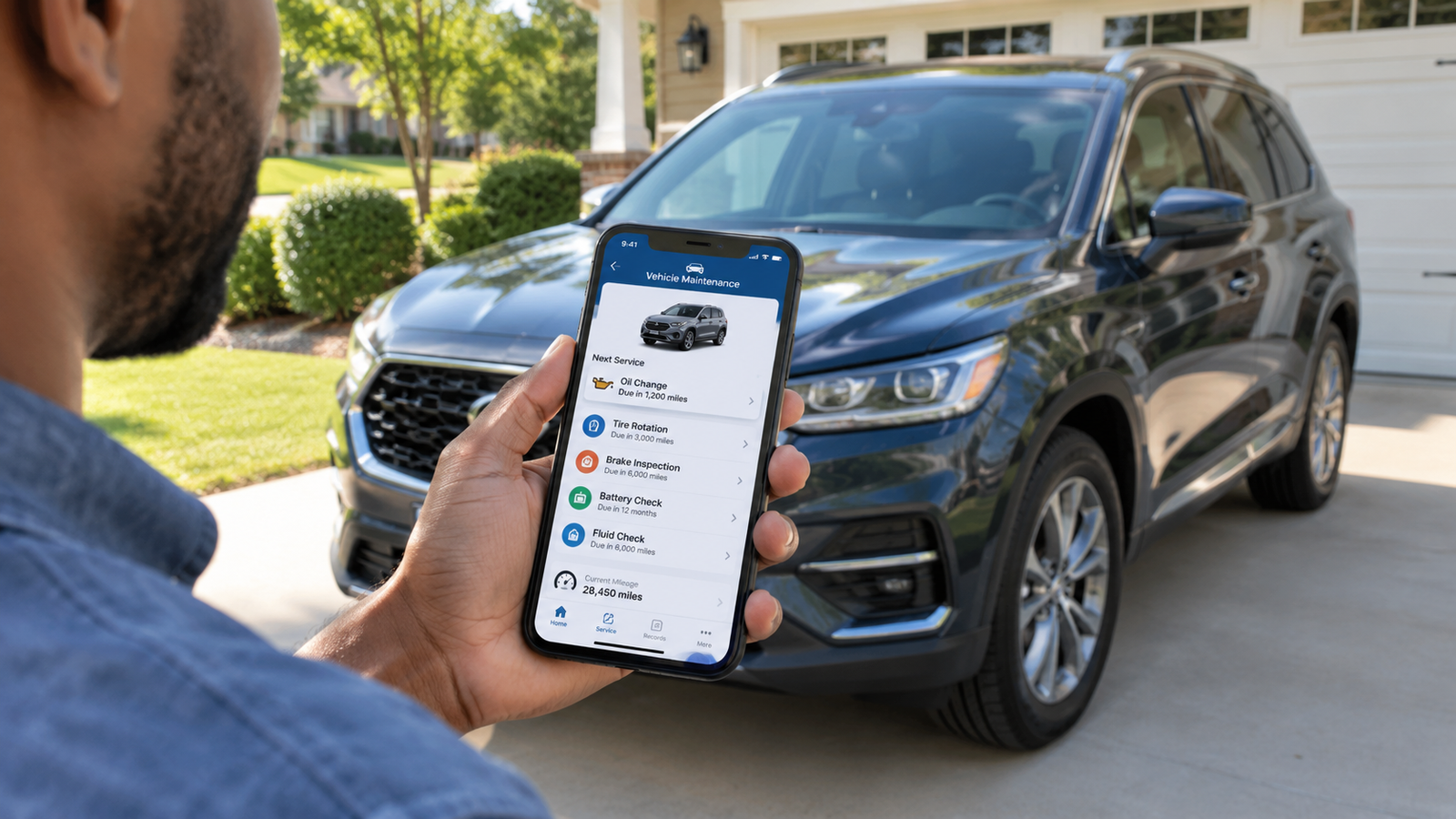
Some car tracking software includes reminders for scheduled maintenance. These reminders can be set according to dates and/or mileage. Drivers can receive alerts for services such as oil changes, tire rotations, inspections, and other scheduled work.
Reminders can also help drivers make financial preparations. When a service is scheduled, the owner has time to plan for the cost instead of being surprised by it. This makes it simpler to budget for vehicle expenses and ensures more consistent maintenance.
Keeping an Eye on Repairs and Replacement Parts
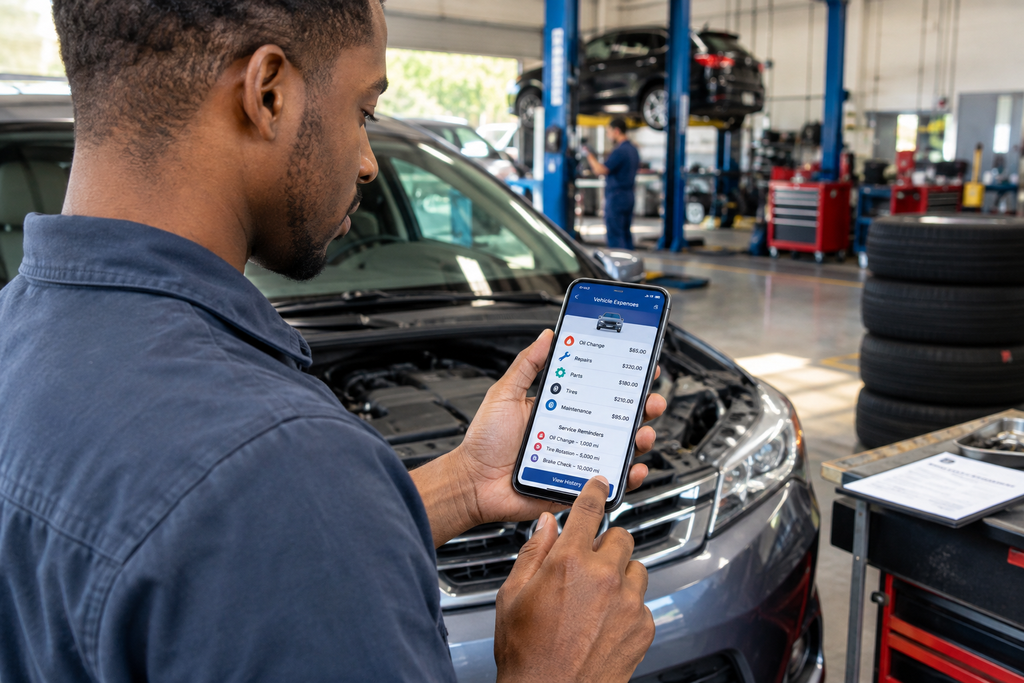
One of the costliest aspects of owning a car can be unexpected repairs. When there is a mechanical issue, it can be expensive to replace parts and pay for labor on the vehicle. Drivers who log all repairs can gain better insight into the costs of maintaining their vehicles.
A thorough repair history may also help determine whether specific issues are recurring. If the same part keeps having problems, previous expense records can aid in determining whether additional repairs are worthwhile. This data can be particularly useful when deciding whether it is cost-effective to continue owning an older car.
Monitoring Tire Expenses
Another vital vehicle cost that should not be overlooked is tires. This can include the price of the tires, installation, tire balancing, wheel alignment, tire rotation, and sometimes repairs. These costs are important to document so that drivers can understand the role tires play in the overall cost of vehicle ownership.
Expense records can also be used to track tire expenses over time and make comparisons. Drivers can use these records to determine whether a certain tire provides good value based on the mileage it delivers before needing replacement. Sometimes, a more expensive tire can be more economical in the long term if it lasts longer before it needs to be replaced.
Tracking Insurance and Registration
Many people find insurance to be one of the most common costs associated with owning a vehicle. Depending on the policy, drivers might be required to make payments on a monthly or annual basis. Adding insurance to a car expense tracker will give drivers a better idea of the total cost of keeping a car on the road.
Other official vehicle costs, such as registration, licensing, inspections, and similar expenses, should also be recorded. These payments can occur infrequently, but they can still have an impact on annual transportation budgets. Drivers can keep track of them so that they do not forget upcoming payment and renewal dates.
Recognizing Unusual Spending Patterns
One of the main benefits of tracking car expenses with an application is being able to spot unusual spending patterns. If fuel, repair, or maintenance costs suddenly increase, it could indicate a change that needs to be considered. These changes are easier to detect when records are updated regularly.
If fuel consumption goes up while the driver is traveling the same distance, for instance, there may be a problem affecting fuel economy. Likewise, repair costs may begin climbing quickly, which could indicate decreasing reliability. Monitoring apps can provide valuable data that enables drivers to recognize these patterns earlier.
Calculating Your True Cost of Car Ownership
The price paid for a car when buying it is only a fraction of the total cost of ownership. Over time, operating costs can also include fuel, maintenance, insurance, repairs, tires, registration, and replacement parts. A complete expense record can help drivers understand the true cost of owning and operating their cars.
This information may be helpful when making significant decisions. An older vehicle might not have any loan repayments, but if the car requires many repairs, it can still cost a lot of money. However, a newer car can have higher insurance and payment bills but lower maintenance costs. With accurate records, owners can compare these factors using actual information.
Cost Per Mile or Cost Per Kilometer
Drivers can get an idea of the cost of running a car per mile or per kilometer using some car expense tracking apps. The result of this calculation can provide meaningful insight into the efficiency of transportation spending.
Cost per distance can also indicate trends over time. If there is a considerable increase in cost, drivers can start looking into the reasons, including fuel, repairs, maintenance, or other expenses. This information can be especially helpful to people who drive frequently for work or take long-distance trips.
Selecting the Best Car Expense Tracker App
The best car expense tracker app depends on the needs of the driver. For some people, the system may be as simple as tracking fuel usage and mileage. Others might want a more in-depth platform that records maintenance, repairs, insurance, registration, tires, and other expenses.
Ease of use is also important because consistent tracking provides the greatest benefits. An app should be easy to use and allow drivers to enter expenses and view their history. Options such as expense categories, maintenance reminders, mileage tracking, and spending reports can make vehicle cost management much easier.
Conclusion
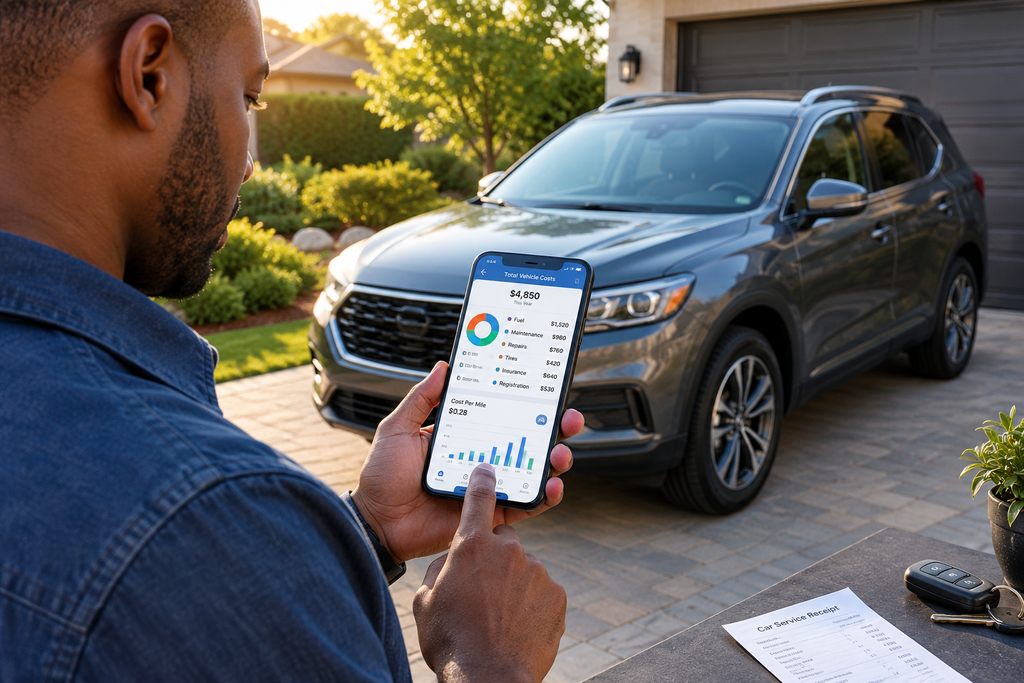
Car expense tracking apps are helpful tools that allow drivers to understand where their vehicle money goes. Keeping track of fuel, oil changes, repairs, tires, insurance, registration, parts, and other expenses allows owners to build a detailed history of how much their cars are costing them.
Regular monitoring can identify unusual spending trends, enable better financial planning, and help drivers make informed decisions about vehicle ownership. Maintaining accurate expense records can be advantageous for drivers, enabling them to manage their vehicles more efficiently whether they are aiming to reduce fuel expenses, track maintenance, or identify overall driving costs.