Picture this: you’re navigating a busy city street on your longtail cargo e-bike, kids strapped in the back, groceries piled high, and a stream of cars pressing in from every direction. You need to shift lanes, but a wall of cargo blocks your peripheral view, and a quick shoulder check barely covers your blind spot. That moment of uncertainty — that split second where you’re not quite sure what’s coming up beside you — is one of the most common anxieties cargo e-bike riders face daily.
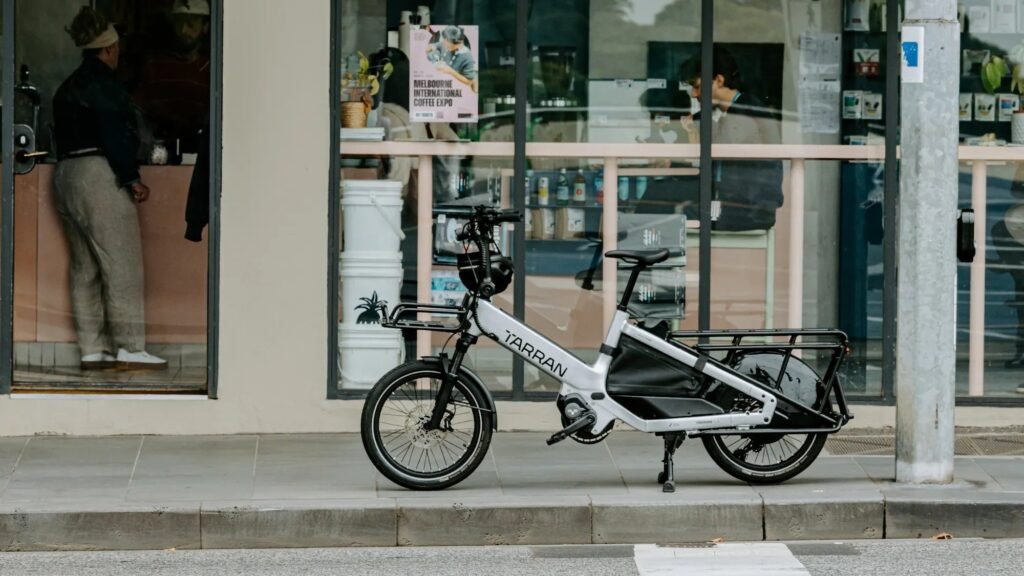
Longtail cargo e-bikes are longer, heavier, and less maneuverable than standard bicycles, making lane changes in dense urban traffic genuinely challenging. Limited rear and side visibility isn’t just uncomfortable — it’s a real safety risk. So, can lane change assistance technology actually make these bikes safer? The short answer is yes, but the full picture is even more encouraging. When paired with monitor cameras for expanded situational awareness and integrated turn signals for clear communication with other road users, lane change assistance becomes part of a powerful, multi-layered safety system designed for the modern urban cyclist.
The Growing Need for Advanced Safety in Urban Cycling
Longtail cargo e-bikes have moved well beyond niche status. Families use them for school runs, urban commuters rely on them to replace car trips, and small businesses deploy them for last-mile deliveries. Their extended rear platforms can carry children, grocery hauls, or substantial freight — but that same versatility introduces a set of safety vulnerabilities that standard bicycles simply don’t share.
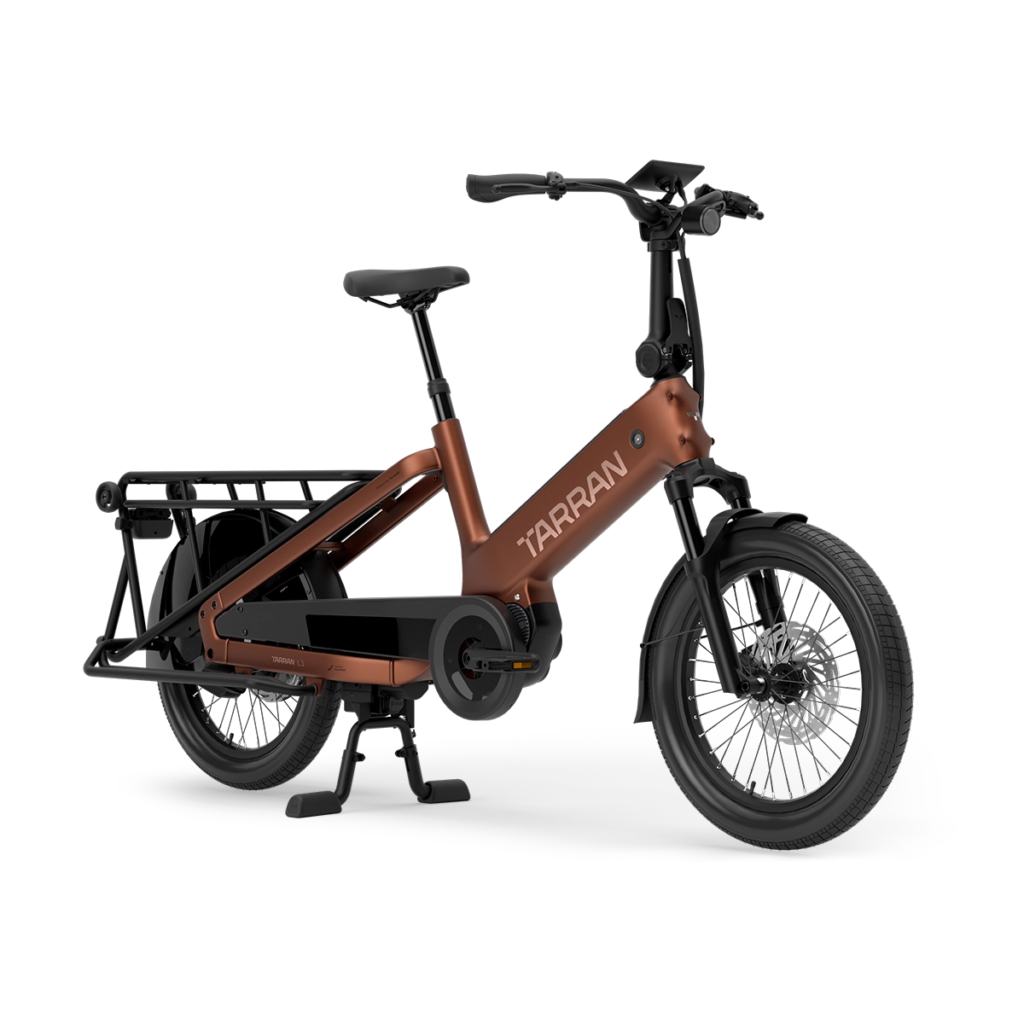
The core issue is physical: a longtail cargo e-bike can stretch nearly a meter longer than a conventional bike and weigh two to three times as much when loaded. In stop-and-go urban traffic, that extra mass slows reaction time and widens turning arcs. Cargo stacked on the rear rack — or a child seat mounted behind the rider — directly obstructs rearward sightlines, making shoulder checks incomplete at best. Narrow bike lanes that work fine for a road bike become genuinely tight when you’re piloting something closer in footprint to a cargo scooter.
Safety-conscious riders navigating these conditions need more than a helmet and a bell. They need real-time awareness of what’s happening in the spaces they can’t see, particularly to their rear and sides when preparing to merge or change lanes. A quick glance in a small mirror doesn’t capture a fast-approaching vehicle in a blind spot, and hand signals — while essential — do nothing to warn you that a car is already closing in before you’ve even started moving.
Traditional cycling safety advice was written for lighter, shorter bikes on quieter roads. For longtail cargo riders in dense urban environments, that guidance leaves critical gaps. Advanced safety technology isn’t a luxury add-on — it’s a practical response to the real demands these bikes place on their riders every single day.
Lane Change Assistance: Technology and Core Benefits
Lane change assistance for e-bikes is a proximity detection system that monitors the blind spots flanking and trailing your bike, then alerts you when another vehicle or obstacle enters that zone as you prepare to merge or shift lanes. Borrowed conceptually from automotive blind-spot monitoring, the technology has been scaled and adapted for two-wheeled use — lighter sensors, lower power draw, and alert formats that work for a rider who can’t glance at a dashboard.
The core benefit is straightforward: it closes the gap between what your eyes can cover and what’s actually happening around you. On a longtail cargo e-bike, that gap is substantial. A shoulder check covers roughly a 45-degree arc, takes your eyes off the road ahead, and still misses anything approaching quickly from a wider angle. Lane change assistance watches that arc continuously, without distraction, and only demands your attention when something is actually there. The result is a measurable reduction in the risk of side-swipe collisions during merges, and a genuine increase in rider confidence when navigating multi-lane roads or filtering through congested traffic.
How Lane Change Assistance Systems Work
Most e-bike lane change assistance kits rely on radar or ultrasonic sensors mounted at the rear of the frame — typically on the seatstay or the tail of the cargo platform. Radar sensors offer greater range and perform reliably in rain and low light, while ultrasonic units are more compact and cost-effective for shorter detection distances. When a vehicle enters the monitored zone, the system triggers an alert through one of two channels: a visual indicator — usually an amber or red LED integrated into the handlebar grip area or mirror housing — or an auditory tone through a small buzzer. Higher-end systems combine both. The rider receives the alert, completes a targeted shoulder check to confirm, and makes an informed decision about whether to proceed. Some systems, such as those found on TARRAN e-bikes, connect directly to the bike’s central display via a wired or Bluetooth link, showing a live proximity indicator alongside speed and battery data, keeping all critical information in a single sightline.
Building a Comprehensive Safety Suite: Beyond Lane Alerts
Lane change assistance is a powerful tool, but it works best as part of a broader safety ecosystem rather than a standalone fix. A longtail cargo e-bike operating in dense urban traffic faces multiple simultaneous challenges — incomplete rearward visibility, difficulty communicating intentions to drivers, and the constant need to track movement in several directions at once. No single technology solves all of that. What does solve it is a thoughtfully assembled combination of systems that each address a distinct vulnerability, reinforcing one another to create layered, redundant protection.
Monitor Camera Add-ons for Enhanced Situational Awareness
A monitor camera system fundamentally changes what a cargo e-bike rider can see without turning their head. The most practical configuration for a longtail is a rear-facing camera mounted at the tail of the cargo platform — precisely where cargo stacking or a child seat creates the worst visual obstruction. The camera feeds a live image to a compact handlebar-mounted display, giving the rider a continuous rearview that no mirror can match in coverage or clarity. Some setups extend this further with a side-angle camera on the left flank, covering the zone most vulnerable during right-to-left lane shifts. Wireless camera systems reduce installation complexity and suit riders who want a cleaner cable run, while wired setups tend to offer more stable connections and don’t require battery management for the camera unit. Either way, the display integration is the key detail — positioning the screen so it sits naturally within the rider’s forward sightline means checking rear traffic becomes a quick eye drop rather than a full head rotation. When lane change assistance triggers an alert, the camera feed lets the rider immediately see exactly what set it off, turning a warning into actionable visual confirmation.
Integrated Turn Signals and Their Role in Cyclist Safety
Hand signals are legally required in many jurisdictions and remain a core part of cycling communication — but they have real limitations on a loaded cargo e-bike. One hand off the handlebar while managing a heavier bike through traffic reduces control precisely when control matters most. In low-light conditions, a hand gesture is nearly invisible to a driver thirty meters back. Integrated turn signals address both problems directly. Handlebar-mounted signal switches activate bright LED indicators — typically mounted on the rear rack or integrated into the frame near the tail — that are visible from a significant distance and work as effectively at dusk as at noon. Frame-integrated designs offer the cleanest aesthetic and the most weather-resistant installation, while bolt-on handlebar units are easier to retrofit to existing bikes. The safety benefit compounds when turn signals are synchronized with a braking light: the moment the rider squeezes the brake lever, the rear light intensifies, giving following drivers an unambiguous stop warning independent of any hand gesture. Together with lane change assistance and a rear camera, integrated signals complete the communication loop — the rider knows what’s approaching, sees it clearly, and can signal their next move with both hands firmly on the bars.
Practical Implementation: Steps to Upgrade Your Longtail Cargo E-bike
Upgrading your longtail cargo e-bike with a full safety suite doesn’t require professional installation or an engineering background — but it does require a methodical approach. Start by auditing your bike’s existing electrical system: note the battery voltage (typically 36V or 48V), identify any spare ports on the central controller, and measure the available mounting real estate on the rear rack and handlebars. This assessment determines which kits are directly compatible and whether you’ll need a dedicated power tap or a simple USB-powered solution.
Step-by-Step Guide to Installing a Lane Change Assistance System
First, select a kit rated for your battery voltage and specify the detection range you need — urban stop-and-go traffic typically requires three to five meters of reliable rear coverage, while mixed road riding benefits from up to ten meters. Once the kit arrives, mount the radar or ultrasonic sensor at the very tail of the cargo platform, centered and angled slightly downward to avoid false triggers from road surface variations. Route the control unit cable along the frame toward the handlebars, securing it with zip ties every fifteen centimeters to prevent vibration wear. Connect the unit to power — either directly to a spare controller port or through an inline fuse to the main battery — then mount the LED alert indicator within your natural sightline on the handlebar cluster. Power on and walk a bicycle or have an assistant approach from the rear at varying angles to verify detection range and confirm the alert fires consistently before riding in traffic.
Adding and Configuring Monitor Cameras and Turn Signals
For the camera, mount the unit at the rear of the cargo platform using the included bracket, angling it to capture both the lane directly behind and a wide arc to either side. Run the video cable — or pair the wireless transmitter — to the handlebar display, positioning the screen just below your natural forward gaze. For turn signals, bolt the rear LED units to the rack’s outermost mounting points for maximum visibility, then run the wiring forward to the handlebar switch, keeping cables bundled with the camera run to minimize clutter. If your system supports brake-light synchronization, connect the signal wire to the brake lever sensor before final cable management. Test every function — signals, camera feed, and lane alert — in a stationary setting, then take a low-traffic test ride to confirm display brightness is adequate in daylight and all alerts remain perceptible at riding speed. Check all mounting hardware and connections monthly, and clean camera lenses weekly during wet seasons to maintain reliable performance.
Smarter Safety Technology for the Modern Cargo E-bike Rider
Longtail cargo e-bikes demand a higher standard of safety than conventional cycling gear was ever designed to provide. Lane change assistance directly addresses the most dangerous moment in urban riding — the merge — by monitoring blind spots continuously and alerting riders before a collision becomes possible. But its real power emerges when it operates alongside monitor cameras that eliminate visual obstruction and integrated turn signals that communicate intent clearly to every road user nearby. Together, these three technologies form a safety ecosystem that covers what eyes, mirrors, and hand gestures simply cannot.
For safety-conscious cyclists carrying families or freight through busy city streets, these upgrades aren’t optional extras — they’re practical tools that match the real demands of the ride. The investment pays off not just in reduced collision risk, but in the kind of calm, confident decision-making that makes every journey more manageable. As e-bike adoption continues to grow, the safety technology supporting it is evolving just as quickly — brands like TARRAN are pushing toward smarter sensors, tighter system integration, and increasingly seamless installation. Getting familiar with these systems now puts you ahead of the curve and, more importantly, keeps you and everyone around you safer on the road today.