Introduction
Today personal style is viewed as more than fashion preference; it is a form of organization, clarity, and understanding of everyday needs. As everyone knows that clothing markets expand and consumer choices multiply, individuals increasingly seek wardrobes that are stylish yet manageable. Research in consumer behavior suggests that people experience greater satisfaction when their wardrobe follows a structured system rather than impulsive trends. This article explores how clothing, bags, accessories, footwear, and makeup collectively shape an elegant wardrobe, while also highlighting how smart shopping with the help of coupons & discounts makes such refinement affordable & budget-friendly.
Clothing: The Foundation of a Cohesive Wardrobe
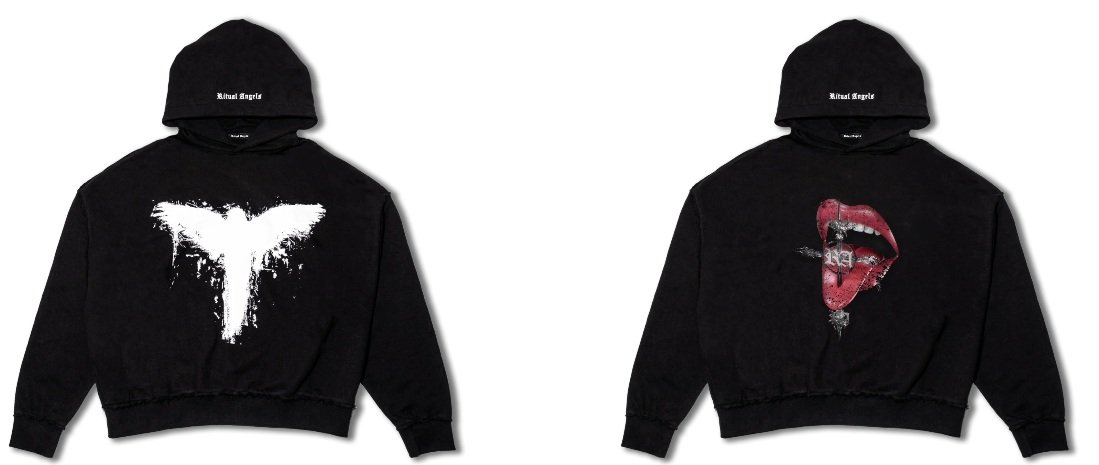
Clothing is the architectural building that underpins individual style. In order to look stylish, a wardrobe’s fabric will follow consistent visual patterns in silhouettes, colors, and quality fabrics. Neutral colors such as black, beige, navy, and ivory help to prevent mismatch and make for an easy viewing point between outfits. Straight cuts, loose fittings, and clean lines provide a sharp edge to posture and provide clarity to the overall look.
Specifications are also factors in fabric selection. Some types of linen, wool blends, cotton, and satin-finish textiles provide structure without embellishment. In the face of accumulating trends—heavy clothing and stocking up on inexpensive, versatile, durable clothing—investing in smaller quantities of lasting pieces results in a more reliable and sophisticated wardrobe.
Bags: Structure, Function, and Identity

Bags are useful in both the practical and the presentational way. Studies on visual coordination show defining objects often accentuate an outfit better than excessively decorative items.
Some bag types serve different purposes.
- Tote bags are versatile and posh and complement professional or school outfits.
- Shoulder bags are good for everyday wear.
- Crossbody bags provide mobility and relaxed or travel-specific outfits.
- Satchels do not complement formal office attire because they are structured.
- Clutches and mini bags make nightwear and formal events more interesting.
Shape, proportion, and occasion are key elements of choosing bags that are proportionally balanced across different styles of wardrobe.
Accessories: Subtle Elements That Shape Refinement

Accessories are the finishing detail of personal style. A study of aesthetic design finds that minimalist aspects tend to create more sophisticated ambiance than large accents. Refinement is conceived of in placement rather than volume.
Jewelry such as delicate necklaces, stud earrings, thin bracelets, or classic watches helps to balance facial and outfit positioning. Belts create a silhouette, scarves add texture, and sunglasses create a frame around the face. Even thin hair accessories serve to keep them polished. The best accessories complement rather than dominate and focus full attention on coordination.
Shoes and Heels: Establishing Balance and Movement

Footwear directly affects both visual balance and body language. The right shoes are supported by posture and complement the tone of the outfit.
- Flats resemble everyday clothes and add some glam.
- Structured loafers are a good match with the office outfit.
- Neutral-tone sneakers bring an even cleaner appearance to casual wear without sacrificing refinement.
- Ankle boots work well with jeans, skirts, or layered clothing.
- Block heels are flexible and a perfect fit in semi-formal settings.
- Stilettos are a practical option for formal occasions and ideal for casual wear.
- Knee-high boots provide winter wardrobes and long silhouettes.
Stylish, comfortable, and practical footwear must be chosen.
Makeup: Enhancing Natural Features With Subtle Definition

When refined, makeup accentuates natural features rather than undercuts them. Balanced, skin-focused attention on the skin provides a polished look that is appropriate for different situations.
A light base, such as skin tints or a smooth matte foundation, creates a uniform tone. Neutral eyeshadow palettes combine dimension with minimal attention, and light eyeliner and mascara give softly defined eyes. Smoky contouring is a perfect complement to the natural bone symmetry, and a nude, peach, or muted berry lip shade complements most outfits. Quite straight brows serve to protect the face and reflect the shape of all other features.
Makeup is best, ultimately, when it reflects the wearer’s fashion philosophy.
Smart Shopping: A Sustainable Approach to Wardrobe Building

The smart shopping strategy will help you create an elegant wardrobe that is easier to manage and less costly. Modern consumers are increasingly dependent upon rigid purchasing practices over impulse-driven decisions.
Practical options include:
- price comparison and material quality assessment
- Review available coupons or coupon-based discounts before buying
- cost per wear to determine long-run value
- a selection of multi-purpose outfits appropriate for different occasions
- Seasonal sales sell timeless items.
- avoid trends that add little to wardrobe longevity
Smart shopping means sustainable, cost-effective, and consistent—enabling the wardrobe to grow in intention rather than randomly.
Conclusion
This balance, clarity, and thoughtful choice is the basis for elegance in fashion. The framework of clothing, bags, and accessories brings a sense of detail; shoes provide balance; and makeup adds subtle definition to the structure of the material. These aspects of shopping can also help individual people build stylish, practical, and long-lasting wardrobes. At a time when trends are constantly shifting, a structured and intentional wardrobe builder provides stability and personal expression.