Introduction
It’s usually the case in small businesses that the owners think that increased expenditure on advertising leads to increased growth. Marketing campaigns may make people aware of your product, but they don’t always make it a success. A large number of companies spend a lot of money to obtain customers, only to lose them after they make their initial purchase, because they do not know how to build a loyal customer base.
It’s costly to acquire new customers. Research by industry experts has always proven that it’s far more affordable to keep customers than to attract new ones. However, one asset that many small and medium sized businesses simply don’t consider is one of their most valuable: their existing customers.
Price is not a big factor in many customers’ decisions to leave. They leave due to feeling unappreciated, unnoticed, or let down by the experience. Poor responsiveness, service inconsistencies, communication issues and unaddressed frustrations leave room to be filled by the competition.
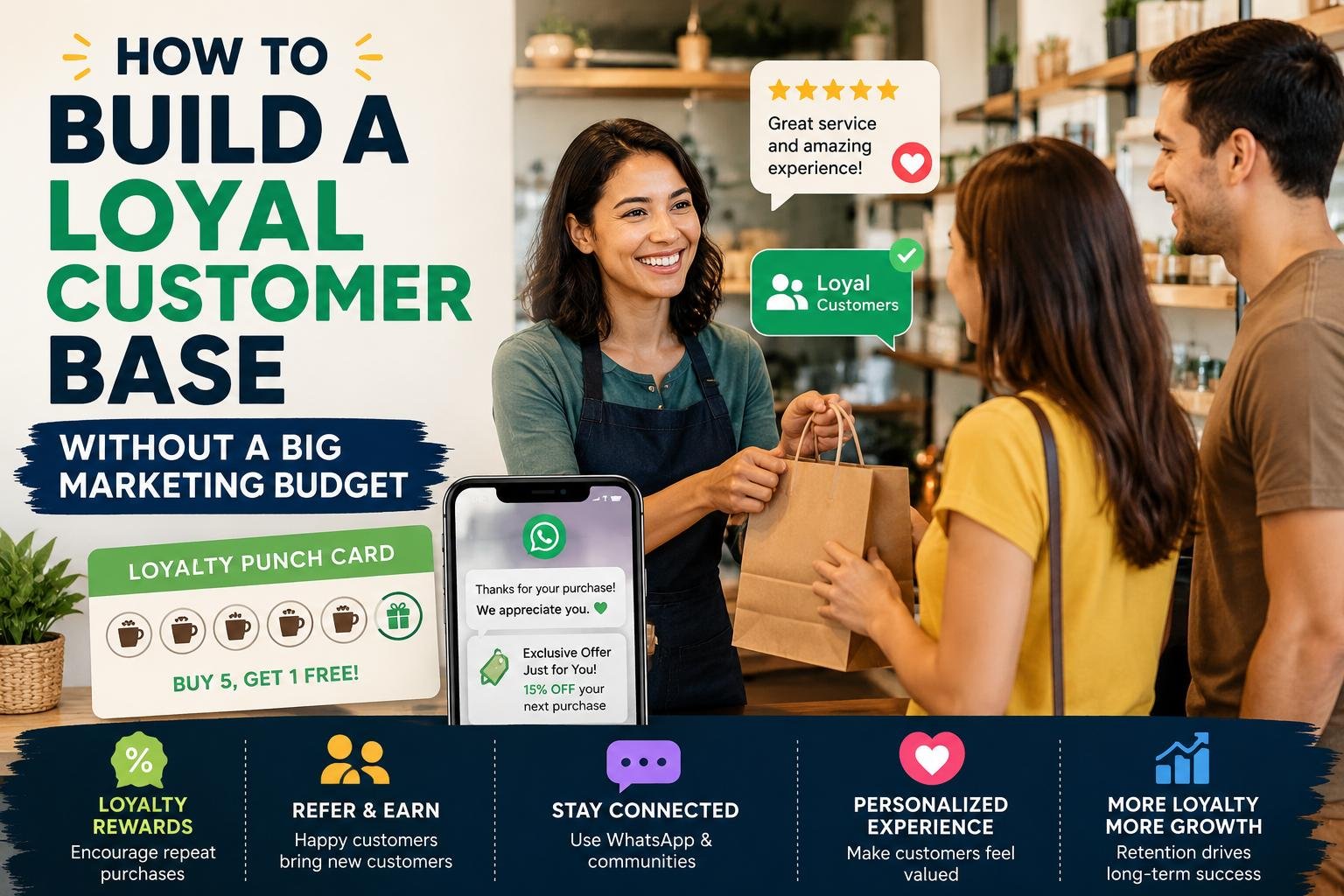
The great news is that it’s not a problem to build loyalty when you have a small marketing budget. It is a process that needs to be attended to, consistent, and one that must be dedicated to solving a customer’s problem. With a focus on customer retention, SMBs can generate predictable revenue, word of mouth referrals and foster long-lasting relationships.
The bottom line is that customer loyalty is not created before the sale, it’s created after the sale. Businesses that actively listen, follow up and take steps to make a meaningful connection will be more successful at converting one-time buyers into repeat customers.
Why Customer Retention is More Effective than Ad Spend.
Unfortunately, many business owners do not realize that each month is not a new one and they must find new customers to replace the ones they have lost. This cycle puts an unnecessary strain on cash flow, and can result in increased marketing costs with no long-term growth.
Retention changes that equation.
Businesses can spend less on acquiring customers and still boost their customer lifetime value when they return. Repeat customers already trust the brand, know the product/service and will not need to be persuaded to make a further purchase.
It is not only customers who are loyal but also they become advocates. They advise business about their experience with the business, share positive experiences on social media and give constructive feedback that can help improve products and services.
Retention is a way for SMBs with smaller budgets to get predictable revenue, which advertising cannot promise. Businesses do not need to depend solely on paid campaigns to grow but can achieve growth with better customer relationships. Retention isn’t a trick of getting customers to purchase more. It’s about providing ongoing value and eliminating source of customer frustration.
Understanding why Customers do not Come Back.
It’s essential for a business owner to know the reasons why customers aren’t returning before trying to implement any retention strategies. In many instances it’s not a product quality problem. After the initial purchase, the customer often feels disheartened about his or her relationship with the business and consequently halts purchases.
There are several common issues that customers face and don’t return:
- Lack of follow-up communication or communication that is inadequate.
- Negative experiences with customer service that have been reported.
- Complicated purchasing processes
- Unresolved complaints
- Inconsistent product quality
- Slow response times
- Feeling undervalued or forgotten
- Lack of incentives to return
Customers want to be appreciated and recognized. They would like to have their preferences remembered, and concerns addressed promptly, and want it to be easier to buy again from the company. The ones that do succeed are the ones that actively look for feedback, and take action to help solve customer pain points before they become a reason for customers to leave.

1. Develop a Basic Loyalty Punch Card Program.
Loyalty programs don’t have to be costly or complicated. Simply implementing a punch card style may help customers understand the benefit of returning and lead to repeat sales. Punch cards have been effective in coffee shops, salons, restaurants, retail stores and service-based businesses for years, as they are both simple to understand and easy and inexpensive to implement.
Examples include:
- Purchasing 5 products at a price of 100% will get 6th product free. If you order 5 items at 100% get 6th item free.
- Purchase some reward using a specific amount of money
- Choose a reward that will help you save money in the long run, such as points for future discounts.
- Get special benefits upon multiple purchasing
Digital loyalty cards are catching on to become commonplace, however for many local businesses, physical cards are still useful. The best loyalty programs provide something that customers truly appreciate and that is not too costly for the company. Don’t make customers jump through hoops that are not necessary. The more difficult and confusing earning rewards might be, the less participation you’ll get.
2. Conduct Post-Purchase Check-Ins
Most companies cease to communicate with their customers after the transaction. This is a lost chance. A follow up message is a great way to show that the business is interested in the customer’s journey beyond the sale. Post purchase check-ins can be in many forms:
- Thank-you emails
- WhatsApp messages
- SMS follow-ups
- Phone calls
- Satisfaction surveys
It is not to be used as a sales tool. Rather, concentrate on learning if the customer is pleased and any troubles that come up as early as possible. These can be simple questions that can lead to meaningful conversations:
- What are your experiences been up to now?
- Are there any areas for improvement?
- Do you have any questions about your purchase?
- Are all items received as ordered?
Such interactions enable businesses to be aware of issues, before customers have a chance to provide negative feedback publicly. They also offer a lot of information about what customers expect, want, and the things that frustrate them.
3. Create time to ask for Referrals.
Business owners make many demands on their customers to recommend them, but many are not asking their customers to do so. One of the most cost effective strategies to growth is a referral program that takes advantage of existing trust.
Timing matters.
Ask for referrals following good customer experience, project delivery and/or positive feedback. Provide basic rewards like:
- 15% discount on future purchases
- Small gifts
- Store credits
- Access to new products only available to them.
Have clear and concise referral directions. Customers need to be aware right away:
- How to refer someone
- What they will be rewarded with?
- When will they receive it (have it)?
Participants are frustrated by complicated referral systems. If you have a family member, a friend or someone you know who may need our services, offering a friend a discount, such as “Refer a friend and get 10% off your next purchase” can have a big impact when done over time.
4. Create a Community using WhatsApp Groups
Many SMBs may be missing out on community building as a retention strategy. If you’re able to create a customer WhatsApp group, then you can directly communicate with your customers without spending considerable money on advertising. These groups are particularly suited for:
- Beauty brands
- Fitness businesses
- Educational services
- Local retailers
- Food businesses
- Parenting communities
The aim is not to be continually promoting. Communities that are successful place emphasis on providing value by:
- Exclusive updates
- Helpful tips
- Early product announcements
- Customer success stories
- Special offers
- Interactive discussions
When customers have feelings for a community, they are more likely to stay loyal because they have feelings outside of the product. But companies need to take into account the time and attention of members. Try not to heavily message or over-sell people and make the group a sales pitch. Pay attention to “conversations” and not ads.
5. Personalize Customer Interactions
Businesses are appreciated by their customers who value the memory of the business. There is no software, hardware or large databases required for personalization. Doing simple things can have a big impact:
- Using customers’ names
- Remembering previous purchases
- Recommending relevant products
- Celebrating birthdays/milestones
- Mailing letters of thanks
These moves demonstrate to customers that they are more than just numbers. Every little thing makes a huge difference and leaves a lasting impression, making for repeat business. Those companies that routinely personalize interactions create better emotional bonds that can be more significant than discounts. Individuals re-engage in businesses where they are recognized and valued.
6. Promptly act upon complaints and feedback
All companies have had complaints. How you deal with the problem can make the difference in losing customers and keeping them. Purchasers are aware that errors can occur. A lack of attention is what drives them mad. When issues arise:
- Respond quickly
- Acknowledge the concern
- Take responsibility if appropriate
- Offer practical solutions
- Identify what further action is required to resolve the issue.
A settled complaint can benefit the customer loyalty as much as or more than if it is not settled. People keep in their memory the companies that do things right. Invite opinions via surveys, reviews, social media and in person. Most important, implement the information you are receiving. Without feedback in the form of changes, there will be dissatisfaction and loss of trust.
7. Make Reordering Effortless
One of the biggest factors of customer retention is convenience. Making it easier to purchase again will lead to more customers being returned. Any friction points in the repurchase process should be identified and eliminated from the experience by businesses. Note that you might want to try some of the following:
- One-click reordering options
- Saved customer preferences
- Subscription services
- Automated reminders
- Simplified checkout experiences
People tend to go back and forth when it comes to buying products again and again, simply because it seems time consuming or inconvenient. Savings in effort leads to increased customer satisfaction and more sales.
Look at your customer journey and consider the following question: What challenges do customers face when trying to make second purchases? Make a list of the things that are blocking you from reaching your goal, and remove them.
8. Let the Existing Customer Base experience Exclusive Benefits
Many companies concentrate solely on new business and tend to overlook their existing customers. This can cause loyal customers to feel unappreciated. Rather, offer special rewards for loyal customers. Examples include:
The use of relevant new products as soon as they are available
- Members-only discounts
- VIP events
- Free upgrades
- Exclusive content
All this can help to build loyalty and fosters a sense of belonging among customers. Customers are looking to be rewarded for their ongoing support. Exclusive experiences can lead to greater emotional attachments, than simply offering a discount. Be consistent in your recognition of loyalty and customers will have less reason to look for competitive options.
9. Train your Customers After Sales.
It is important for customers to be able to use products to the best of their potential. By providing educational material, customers can gain the benefit of an upfront education, which builds trust and helps them achieve success. Post purchase education may involve:
- Video tutorials
- User guides
- Frequently asked questions
- Webinars
- Tips & best practices
This method will eliminate confusion, frustration and improve customer satisfaction. The happier customers are with the results the more likely they are to buy again and to tell others about the business. Educational content also puts businesses in the position of trusted advisor and not just a vendor. This can make a big difference in fostering long-term loyalty.
10. Continuously Listen and Solve Real Problems
The best way to retain information is the easiest, and that is: listen! Customers will often give you an exact idea of what they need by talking, reviewing, complaining or filling out a feedback form, notice any patterns. If more than one customer is referencing the same issue, consider it a priority. Concentrate on the following type of problems:
- Delayed deliveries
- Unclear communication
- Product limitations
- Poor onboarding experiences
- Complicated payment processes
When a business is proactive in addressing customers’ frustrations, there is increased brand loyalty as they are made to feel cared for. Don’t presume to understand what customers need. Ask questions. Listen carefully. Implement changes. When customers see their input making an actual difference the loyalty is increased.
The Need to Measure Customer Retention Success
Retention measures are more effective when there is consistent tracking of results. Important metrics include:
- Repeat purchase rate
- Customer lifetime value
- Customer satisfaction scores
- Referral rates
- Average order value
- Customer churn rate
Check these indicators on monthly basis to see if there are any trends and points for improvement. Retention is continuous and not a one-off effort. Teaching that is uniform and small, can yield big outcomes in the long run. Customer relations firms are more likely to outperform customer relations firms with larger advertising budgets.
Conclusion
It doesn’t have to be costly campaigns or complex marketing systems to create loyal customers. It calls for businesses to consider the post-sales customer experience. Many tactics like loyalty punch cards, post-purchase check-ins, referral reminders, WhatsApp groups, and personalized communication can provide a boost to retention without requiring additional investments.
The most important thing, companies should be willing to pay attention and address actual customer annoyances. Customers will remain loyal when they feel valued, understood and supported. Don’t go out chasing new customers, spend time and effort with the ones who already trust your business.
Retention boosts relationships, referrals, lifetime value and growth. For small businesses that have limited resources, the best form of marketing is after the first sale. Get more well researched information on low-cost customer retention tactics here.

