Introduction
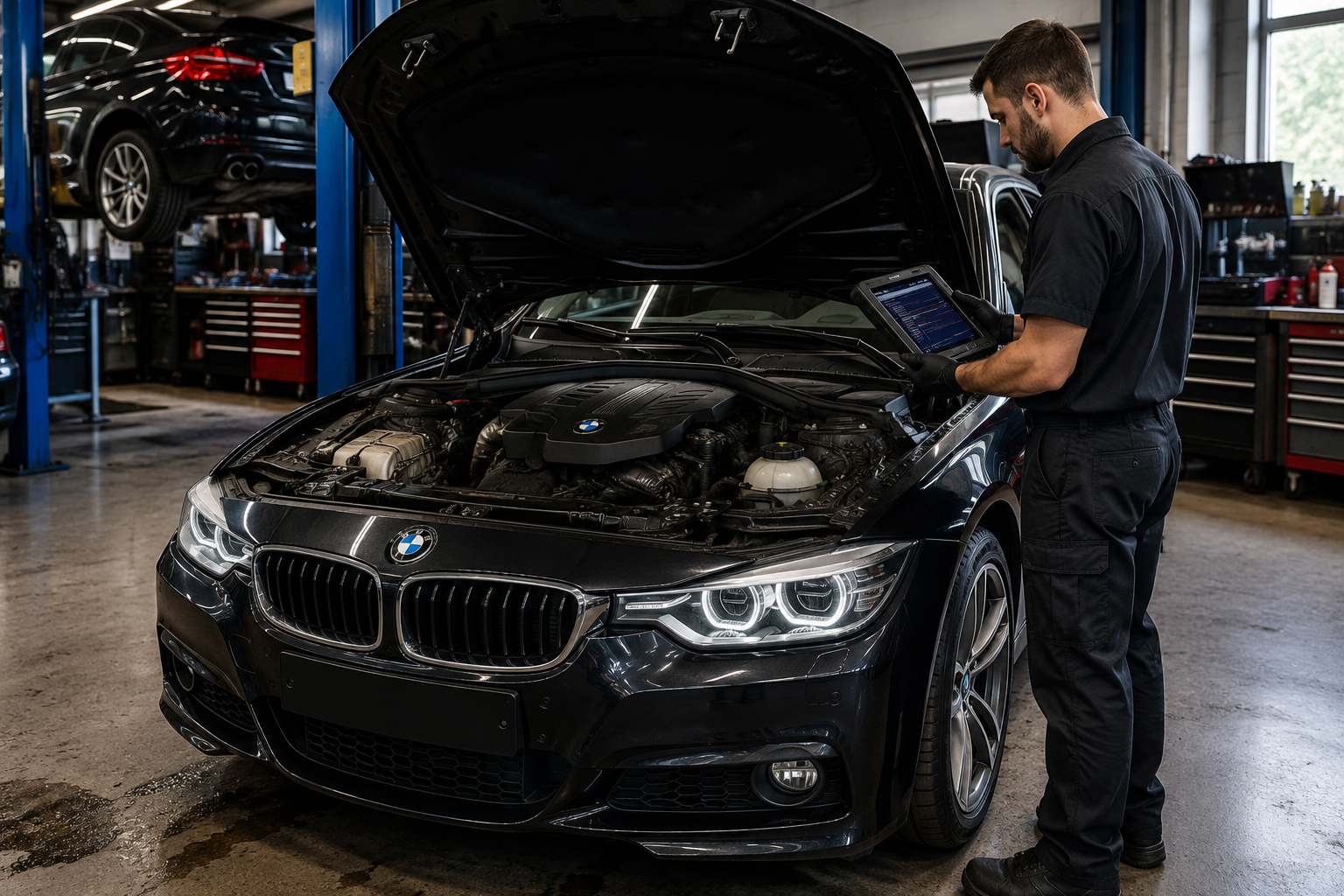
BMW common problems can develop as these luxury vehicles age. BMW is well-known for its high-quality luxury cars known for their performance, comfort, and groundbreaking engineering. The 3 Series, 5 Series, X5, X3 and M are models that are popular for their responsive handling and features. Even though these vehicles are well engineered, they have trouble continually with their mechanical and electrical issues as they age. Knowing about these problems can help owners identify warning signals, know how much to expect to spend on repairs and avoid the small problem turning into a big breakdown. When properly maintained, many BMWs can last well beyond 150,000 miles, so preventative maintenance is one of the best investments that can be made by any BMW owner.
One thing that really needs to be looked into is the electrical problems across BMW models. Today’s BMWs are equipped with dozens of electronic control units that regulate the performance of the vehicle, its entertainment, and its safety. Understanding these electrical issues by brand and model will aid BMW owners understand why they may have warning lights and how they can avoid expensive electrical repairs through regular maintenance. In addition to electric issues, oil leaks, cooling system problems, timing chain wear and suspension issues are among the most common problems mentioned in this guide.
Why BMWs Experience Common Problems
BMWs face a host of problems that tend to occur with them. BMW cars are built with high-tech equipment, turbocharged engines, light-weight construction and sophisticated electronics. These features enhance performance and efficiency, but also bring in more maintenance needs. Heat stress, vibration, and weather changes over the years take their toll on plastic cooling system parts, rubber seals, and electronic sensors, and suspension parts are also subject to wear and tear. There are numerous problems that have a tendency to develop in a gradual process and early diagnosis is very important in such cases.
BMW regular maintenance is what can make the difference between a reliable car and an expensive one to own. Trying to put off oil changes, ignoring coolant leaks and delaying suspension repairs can lead to other parts becoming damaged. The car owner who takes the time to have the vehicle inspected regularly and changed out when worn parts are due will find that he can keep his repair bills much lower for the life of the car.
Valve Cover Gasket Oil Leaks
One of the most frequent issues with the BMW engines is leaking valve cover gasket. The gasket is used to seal the valve cover to the cylinder head, and keeps engine oil from leaking out of the cylinder head. With use, the heat in the engine hardens and cracks the rubber gasket, permitting oil to seep onto the engine. Usually the driver will see oil spots under the car and oil at the top of the engine or smell burning oil. Oil leaking can contaminate the spark plugs and ignition coils, which can cause engine misfires and rough running if not addressed.
It’s much more cost-effective to replace the gasket early on than to have to deal with damage caused by an extended oil leak. Regular oil change checks can be used to determine if there are leaks before they worsen. The proper use of high-quality synthetic oil and engine temperature will also contribute to gasket life. This repair is often deemed as routine maintenance procedures for many BMW models but if this repair is not completed promptly, it will help prevent damage to other engine parts, thus keeping repair costs in check.
Cooling System Failures
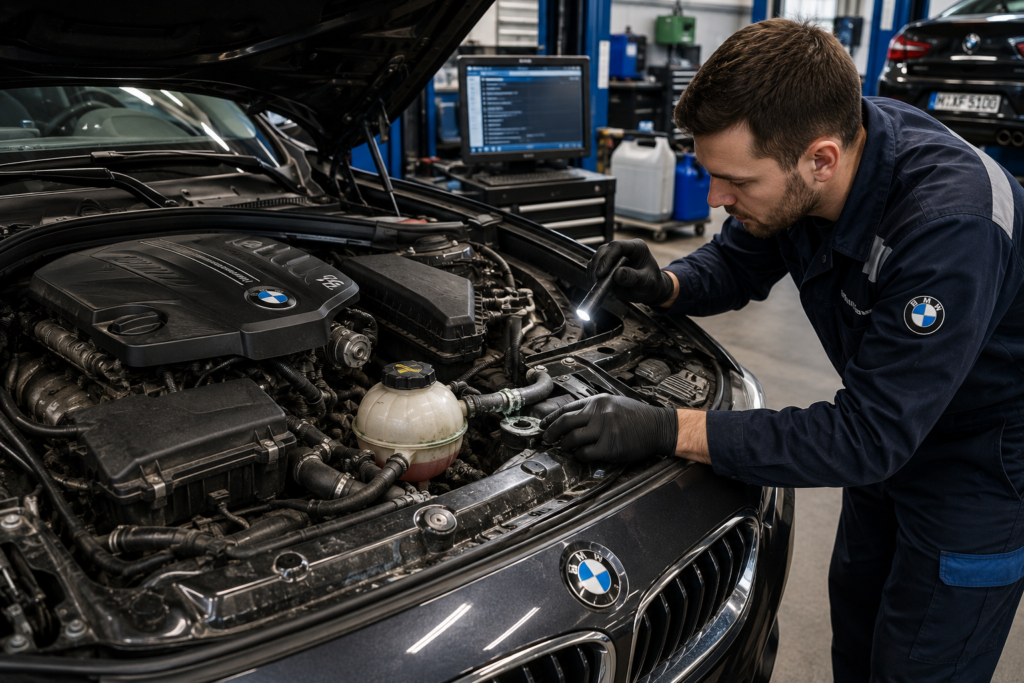
BMW cooling systems are well known for their use of lightweight plastic parts which tend to deteriorate over time. Water pumps, thermostats, expansion tanks, radiators and coolant hoses can crack or fail over time due to the frequent heating and cooling. Signs of trouble are leaks in the cooling system, hot engines, low coolant level lamps, high temperature gauges or steam from under the bonnet. BMW engines run at a relatively high temperature, so if they overheat, it can cause serious damage to the engine.
It is generally cheaper to replace parts of cooling systems that are prone to failure than to repair an overheated engine. Owners should check their coolant levels often, change any worn hoses, and look for coolant loss at any time it occurs. Applying the right BMW recommended fluid, and replacing old water pumps and thermostats before they fail, will help to ensure long life and minimize the likelihood of expensive repairs.
Water Pump and Thermostat Problems
While electric water pumps are more efficient, they don’t always perform as well, and can surprise you with a breakdown, unlike belt-driven pumps. Beware of warning signs of overheating, loss of cabin heat, cooling fan blow or fans running before the actual failure. Because the thermostat tends to last around the same time as the heater, a change is usually recommended when replacing a thermostat.
A regular maintenance of the coolant and periodic inspections can help identify poor performance before significant issues arise. If cooling problems are diagnosed early, they can be avoided from causing major damage to the engine, and the cost of repairs will be held to a minimum.
Timing Chain Problems
Some models of BMW engines have suffered timing chain wear, especially some of the turbocharged 4-cylinder engines. The timing chain is used to keep the internal timing of the engine in sync and worn guides or weak tensioners can cause too much play to build up in the timing chain. Initial signs are rattling noises when the vehicle starts, rough running or illuminated check engine light. If the chain slips or breaks, this may result in catastrophic engine failure over time without taking these precautions.
One of the best methods for prolonging the life of the timing chain is to change the oil regularly with synthetic oil recommended by the manufacturer. Any strange sounds that come from the engine should be a red flag to the owner, particularly when starting up. Replacing worn timing chain parts is much cheaper than rebuilding/replacing damaged engines due to complete timing chain failure.
Oil Filter Housing Gasket Leaks
One very common oil leak problem with a BMW is the oil filter housing gasket. Oil leaks start to seep down the side of the engine as the rubber gasket ages, and will sometimes drip into belts and other nearby parts of the engine. The leak is on several surfaces, therefore many owners think that they have a failing larger engine seal.
When an oil filter housing gasket is caught early, changing the gasket is relatively easy. Because drive belts and coolant hoses are easily-accessed, they are often inspected during the repair process. Quickly repairing this leak will avoid oil contamination and keep your engine performing normally and reliably.
Suspension and Control Arm Wear
BMW cars are engineered to be handled with precision, but as with all other vehicle components, suspension parts will wear over time. The normal driving conditions cause the control arm bushings, ball joints, sway bar links and shock absorbers to gradually deteriorate. Common symptoms are steering vibration, clunking sound, uneven tire wear and loss of braking or cornering stability. These issues can gradually get worse but ultimately impact a vehicle’s safety and performance.
The regular suspension check-up enables worn parts to be replaced before further damage can be done. Also, wheel alignment adjustments will extend the life and handling of tires after repairs. Properly caring for suspension at an early stage can avoid the unnecessary costs of tire replacement and ensure the driving qualities appreciated by BMW owners.
Transmission and Drivetrain Issues
Although some parts of the BMW service manual state that automatic transmissions are “lifetime” serviced, they should be maintained regularly which is usually the case with automatics. This may cause rough, delayed or inconsistent shifting as the transmission fluid ages. Drivers might also experience a delay in acceleration, warning lights or leaks of fluids. As mileage accumulates on xDrive models, components in the transfer case, such as a torque control plate, may also need to be replaced.
Change transmission fluid and filters in a timely fashion to keep the transmission in top condition and prolong its life. It is important to solve small drivetrain problems before they turn into big issues, because much more costly repairs may result. Owners should never take it for granted that this is normal shifting behavior; always investigate when it occurs.
iDrive and Infotainment Glitches
The iDrive system is a central navigation, entertainment, climate and vehicle management system in BMW designed to control all these functions from a single point. It’s very sophisticated, but there are software glitches, touchscreen delays, Bluetooth communication issues and even frozen screens from time to time, especially on older vehicles. Other electronic issues that present themselves that might not seem directly related to infotainment can also result from problems with the battery.
Expensive hardware is not always needed to fix many problems that might arise with iDrives – software updates, battery replacement, or electronic module programming can correct many of these problems. This helps to minimize electronic issues and maintain the comfort of BMW’s technology features, all while keeping software current and maintaining a healthy battery.
Battery, Charging System, and Electrical Issues
Today’s BMWs have many electronic control units that require a constant battery voltage. A weak battery, or failing alternator can cause several dashboard lights to come on, slow cranking, window problems, light problems, or intermittent electrical problems. Electronic communication is found in a large number of systems and the cause of the problem must be determined rather than the parts replaced.
Many BMW vehicles require electronics to be programmed into the battery so the charging system knows which one is the new battery. Regular battery tests, terminal inspections and charging system checks to avoid unexpected failures. It’s important to notice early electrical signs and symptoms and that is why they will spare you more complex and costlier repairs later on.
How to Prevent Expensive BMW Repairs
The best way to decrease the cost of owning a BMW is to practice preventative maintenance. Regularly changing engine oil before the maximum time specified by the manufacturer, changing the liquid levels as specified, servicing the transmission, checking and repairing minor oil leaks and the like, are all ways of achieving long term reliability. It’s always cheaper to spend money on regular maintenance than it is on a major failure of the engine or transmission.
Owners should also act promptly when lights come on, when there’s any weird sound or when there’s any fluid leak before they get worse. Keeping comprehensive records of the services and hiring service technicians with experience in servicing BMW vehicles further enhances reliability and resale value. The use of preventative maintenance not only reduces repair expenses but also extends the delightful driving experience BMW is recognized for.
Is Buying a Used BMW Worth It?

If you take the time to ensure that it has been well maintained, a used BMW can be an excellent vehicle to buy. A lot of the issues which are mentioned in this guide aren’t engineering problems but are foreseeable types of wear. Buyers can make a well-informed decision concerning the condition of the vehicle before purchasing it if the professional pre-purchase inspection reveals oil leaks, cooling system wear, suspension problems and electronic issues.
Sometimes service history is more critical than just mileage. In most cases, it’s better to choose a well-maintained BMW that has a higher mileage than a vehicle with lax maintenance and lower mileage. When purchasing a used BMW, buyers who are aware of these common issues can confidently negotiate the best possible price, plan for future maintenance, and experience the performance and comfort that BMW is known for.
Conclusion
BMW cars remain one of the most enjoyable luxury cars to have in the hands, with its advanced tech, high quality of comfort and performance. As with any advanced vehicle, there are common maintenance problems that can occur in them, such as a leaking valve cover gasket, failing cooling system, worn timing chain, worn out suspension, transmission servicing requirements, iDrive issues and electrical issues. Identifying these issues in an early stage will enable the owner to fix them before they get to a much higher price.
These are some of the common issues that BMW owners may encounter, and knowing about them can help them avoid unnecessary repairs and maintenance costs. Many BMW models will own a number of years before experiencing a problem, then will have high quality replacement parts available and servicing that is done proactively will keep the car on the road and on track for many years for the responsive driving that has made BMW one of the world’s most respected luxury cars.