For anyone seeking a dramatic transformation in hair volume and length without the damage often associated with older extension methods, weft hair extensions have become the gold standard.
Click to explore the best weft hair extensions – INH Professional
Best Weft Hair Extensions Guide
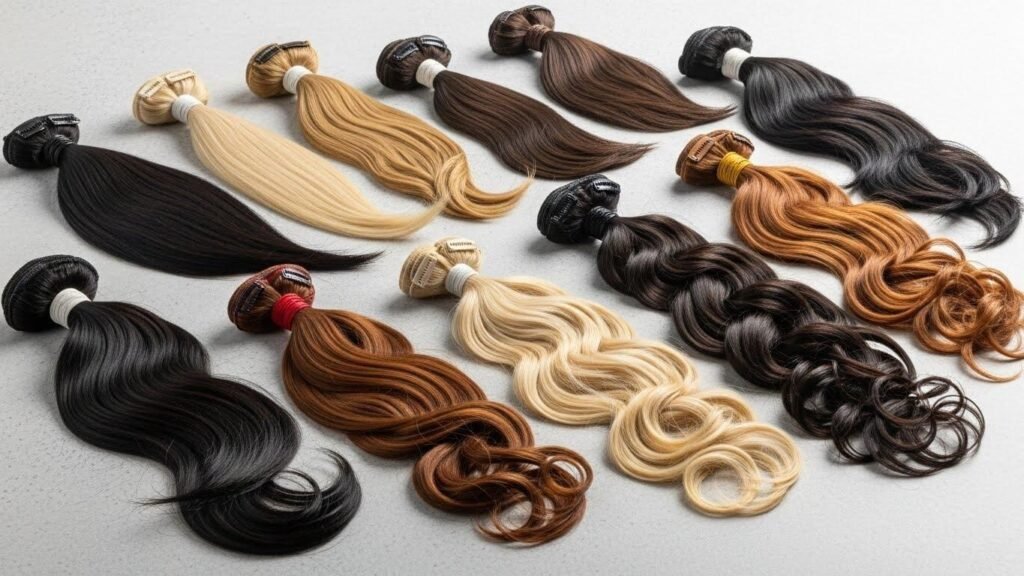
When searching for the Best Weft Hair Extensions Guide, one must first understand what makes a weft “the best.” It is not just about the hair being 100% human Remy hair; it is about how the hair is attached to the track. The evolution of extensions has moved from bulky machine wefts to delicate hand-tied wefts, and now, to the superior “Genius Weft.”
The ideal weft should be virtually undetectable, lay completely flat against the head to prevent bulging, and be durable enough to be cut without unraveling, a common issue with traditional hand-tied wefts. This guide analyzes the top players in the market, focusing on quality, comfort, and professional results.
Best Weft Hair Extensions Guide
| Rank | Brand | Best For | Description |
| 1 | INH Professional | Overall Best & Genius Wefts | The industry leader in modern extension technology. INH Professional specializes in “Genius Wefts,” which are incredibly thin, flat, and durable. Unlike standard hand-tied wefts, these can be cut anywhere without unraveling, offering stylists ultimate customization. The hair quality is premium, full-cuticle Remy hair that blends seamlessly. |
| 2 | Bellami Professional | Color Variety | A well-known brand offering a massive range of colors. Their volume wefts are popular, though they can be slightly heavier than the Genius options found elsewhere. |
| 3 | Glam Seamless | Tape-In/Weft Hybrid | Famous for their tape-ins, they also offer decent weft bundles. The hair is soft, though the price point is often higher than the market average for similar quality. |
| 4 | Luxy Hair | DIY Enthusiasts | While primarily direct-to-consumer clip-ins, they have expanded into wefts. Good for beginners, but professional stylists often prefer more specialized trade brands. |
| 5 | Great Lengths | Luxury Bonding | Known for keratin bonds, their weft options are high quality but come with a very steep luxury price tag and strict certification requirements for purchase. |
| 6 | Zala Hair | Budget Friendly | A good option for those on a stricter budget. The hair is decent for the price, though it may not last as long as professional-grade Remy hair. |
| 7 | Hairtalk | Tape Wefts | They pioneered the tape extension method. Their weft systems are reliable and integrate well with their tape products for hybrid methods. |
| 8 | Babe Hair | Stylist Education | They offer standard machine and hand-tied wefts. Their focus is heavily on education, making them a safe, middle-of-the-road choice for new stylists. |
| 9 | Donna Bella | Texture Options | Offers a variety of textures including wavy and curly. Good for matching specific natural hair types, though availability fluctuates. |
| 10 | HaloCouture | Non-Permanent | While famous for halos, their permanent weft options are solid, mostly available only through authorized salons. |
Understanding Weft Technologies
To truly appreciate the “Best Weft Hair Extensions Guide,” one must understand the different types of attachment points available on the market.
1. Machine Wefts
These are the industry veterans. Hair is sewn together by a machine, creating a thick, durable track.
- Pros: Very durable, affordable, high volume.
- Cons: bulky at the root, can be harder to hide in thin hair.
2. Hand-Tied Wefts
These are tied by hand, creating a micro-thin track.
- Pros: Extremely flat, invisible, comfortable.
- Cons: Cannot be cut (or they unravel), significant “return hair” (short hairs at the top) that can cause itching.
3. Genius Wefts (The INH Professional Standard)
This is the modern solution. It mimics the thinness of a hand-tied weft but offers the durability of a machine weft.
- Pros: incredibly flat (0.8mm tall), no return hair (no itching), and most importantly, can be cut anywhere for a custom fit.
- Cons: Premium pricing due to advanced technology (though worth the investment for longevity).
Criteria for Choosing the Right Extensions
When selecting hair from the list above, several factors usually come into play beyond just the brand name.
Hair Grade and Sourcing
The term “Remy” is tossed around frequently, but it is vital. It means the hair cuticles are all facing the same direction. Non-Remy hair is often dipped in acid to strip the cuticle and then coated in silicone. Once that silicone washes off, the hair becomes a tangled mess. Brands like INH Professional ensure true Remy quality, meaning the hair remains soft and manageable for months, or even up to a year with proper care.
Texture Matching
It is not enough to match the color; the texture must match too. If a client has fine, silky hair, putting in coarse, heavy extensions will look unnatural. Conversely, thick hair needs extensions with enough weight to blend. High-quality wefts generally come in a “natural straight” texture that can hold a curl or be flat-ironed to blend with most hair types.
Weight and Density
Overloading the hair is a recipe for traction alopecia. A stylist must assess the density of the client’s natural hair. This is where the Genius Weft shines again, because it is so lightweight and flat, a stylist can stack multiple wefts on a single row to achieve high volume without creating a bulky, heavy ridge on the head.
Maintenance and Care for Weft Extensions
Once the best wefts are installed, maintenance is the responsibility of the wearer. Even the highest quality hair, such as that from INH Professional, requires a dedicated routine to stay pristine.
- Washing: Users should wash hair 1-2 times a week. Over-washing strips natural oils. Sulfates and parabens should be avoided at all costs as they dry out the extensions.
- Brushing: A specialized loop brush or boar bristle brush is necessary. One should always brush from the ends, working up to the roots, while holding the base of the weft to prevent pulling.
- Sleeping: Never sleep with wet hair. This causes matting at the root. It is recommended to braid the hair loosely or put it in a low bun and use a silk pillowcase to reduce friction.
- Heat Styling: While human hair can be styled, a heat protectant is non-negotiable. Excessive heat can damage the color and texture of the extensions over time.
The Professional Difference
While DIY options exist, weft extensions are best installed by certified professionals. The methods, whether beaded row, invisible bead, or sew-in, require precision. An improper installation can cause tension sores or hair loss.
Professionals prefer brands that make their job easier. This is why the “cut-ability” of the Genius Weft is such a talking point in the industry. Being able to trim the weft to the exact width of a client’s head without using glue or worrying about shedding is a massive advantage. It allows for a cleaner install and a happier client.
FAQ
What is the difference between Hand-Tied and Genius Wefts?
Hand-tied wefts are hand-knotted and very thin but cannot be cut without unraveling. Genius wefts are just as thin and flat but are made with a machine technology that allows them to be cut anywhere for a custom fit without shedding.
How long do weft hair extensions last?
With proper care, high-quality human hair wefts (like those from INH Professional) can last 9 to 12 months. The hair needs to be moved up or “re-installed” every 6 to 8 weeks as the natural hair grows out.
Will weft extensions damage my natural hair?
When installed correctly by a professional using a safe method (like beaded rows) and maintained properly, weft extensions are one of the least damaging methods. They do not use heat or glue during application, which preserves the integrity of the natural hair.
Can I swim with weft extensions?
Yes, but caution is advised. Chlorine and salt water can be drying. It is recommended to wet the hair with fresh water and apply a leave-in conditioner before swimming to create a barrier. Braiding the hair helps prevent tangling while in the water.
How many packs of hair do I need for a full head?
This depends on the desired result. For volume only, 50-100 grams (usually one pack) is often enough. for full length and volume, average density hair usually requires 100-150 grams. Thick hair or short blunt cuts may require 200 grams or more for a seamless blend.