Physical therapy and rehabilitation clinics are constantly evolving as new technologies emerge to improve patient outcomes, accelerate recovery, and reduce discomfort. Among the most promising advancements in recent years is red light therapy, a non-invasive treatment that is increasingly being integrated into clinical rehabilitation programs. From sports injury recovery to chronic pain management, red light therapy devices are transforming how therapists approach healing and tissue repair. With the availability of modern equipment such as panels, targeted laser tools, and full-body systems like the red light therapy blanket, clinics now have more versatile and efficient ways to support patient recovery.
Understanding Red Light Therapy in a Clinical Setting
Lume red light therapy, also known as photobiomodulation, involves exposing the body to low-level wavelengths of red and near-infrared light. These wavelengths penetrate the skin and stimulate cellular processes that contribute to healing, inflammation reduction, and tissue regeneration. Unlike heat-based therapies, red light therapy works at the cellular level without causing thermal damage or discomfort. In physical therapy clinics, the goal is often to restore movement, reduce pain, and rebuild strength after injury or surgery. Red light therapy complements these objectives by improving blood circulation, enhancing cellular energy production, and supporting the body’s natural repair mechanisms.
Why Rehab Clinics Are Adopting Light Therapy?
Rehabilitation professionals are always searching for treatments that are both effective and safe. Red light therapy meets these requirements by offering a non-pharmaceutical option that can be used alongside traditional therapies such as manual therapy, stretching, and strength training. One of the key reasons clinics are adopting this technology is its ability to reduce inflammation and accelerate tissue healing. After injuries like sprains, muscle tears, or ligament damage, inflammation is part of the natural healing process. However, prolonged inflammation can slow recovery and cause additional pain. Red light therapy helps regulate this response, allowing tissues to heal more efficiently. Additionally, the therapy is painless and relaxing, which improves patient comfort during sessions and encourages adherence to treatment plans.
Types of Red Light Therapy Devices Used in Clinics
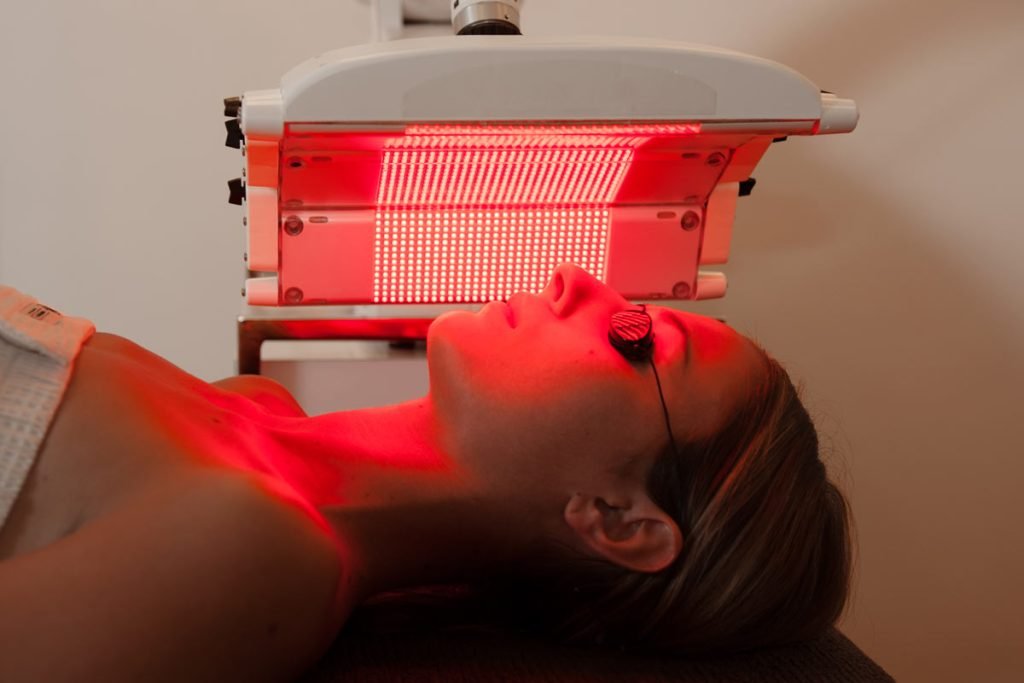
Rehabilitation clinics utilize a range of red light therapy devices depending on treatment goals and the size of the area being treated. Handheld devices are often used for precise treatment of small areas such as the wrist, ankle, or shoulder. These tools allow therapists to focus on specific trigger points or injured tissues. Panel systems are larger devices mounted on stands or walls, designed to treat broader areas like the back or thighs. Patients typically sit or stand in front of these panels during treatment sessions. In recent years, clinics have begun incorporating more advanced solutions like the red light blanket, which allows full-body exposure while patients remain in a comfortable lying position. This type of device is especially useful for individuals dealing with widespread muscle soreness, fibromyalgia, or multiple injury sites.
Enhancing Muscle Recovery and Performance
Muscle injuries are among the most common conditions treated in physical therapy settings. Strains, overuse injuries, and post-surgical muscle weakness all require structured rehabilitation to restore strength and function. Red light therapy helps by improving circulation to damaged tissues and increasing cellular energy production, which supports faster muscle repair. Athletes undergoing rehabilitation often benefit from sessions that include light therapy before or after exercise. Pre-exercise sessions may help prepare muscles for activity by improving blood flow, while post-exercise sessions can reduce delayed onset muscle soreness and support recovery. A red light therapy blanket is particularly useful in sports rehab environments because it allows simultaneous treatment of large muscle groups such as the quadriceps, hamstrings, and back muscles. This saves time during therapy sessions and ensures more comprehensive coverage.
Supporting Joint Health and Pain Management
Joint pain and stiffness are common issues among patients recovering from injuries or managing chronic conditions like arthritis. Traditional physical therapy focuses on improving joint mobility through exercises and manual manipulation. Red light therapy enhances these efforts by addressing inflammation and promoting tissue healing around the joint. When light penetrates the skin and reaches the joint capsule and surrounding tissues, it can help stimulate cellular repair processes and reduce inflammatory markers. This may lead to decreased swelling, improved range of motion, and reduced discomfort during movement. For patients who experience pain in multiple joints, a red light blanket offers an efficient way to treat several areas in a single session without repositioning equipment repeatedly.
Post-Surgical Rehabilitation
Patients recovering from orthopedic surgeries such as knee replacements, rotator cuff repairs, or spinal procedures often face long rehabilitation timelines. Swelling, scar tissue formation, and muscle atrophy can all slow the recovery process. Red light therapy is increasingly being used in post-surgical rehab protocols to support tissue healing and reduce recovery time. The therapy can help stimulate collagen production, which is essential for wound healing and tissue strength. It may also improve microcirculation around the surgical site, ensuring that nutrients and oxygen are delivered to the healing tissues more effectively. When used in combination with guided physical therapy exercises, red light therapy provides a comprehensive approach that targets both structural and cellular aspects of recovery.
Improving Patient Comfort and Compliance
One of the challenges faced by rehabilitation clinics is maintaining patient engagement throughout lengthy treatment programs. Some therapies can be physically demanding or uncomfortable, leading to reduced compliance. Red light therapy offers a gentle and relaxing treatment option that patients often look forward to during their sessions. The use of a red light therapy blanket can enhance this experience even further. Patients can lie down and relax while the device delivers therapy, creating a spa-like environment that reduces stress and anxiety associated with rehabilitation. This positive experience encourages patients to attend sessions regularly and follow through with their prescribed therapy plans.
Integration with Other Rehabilitation Techniques
Red light therapy is not intended to replace traditional physical therapy techniques but rather to enhance them. Therapists often integrate light therapy into treatment plans alongside:
- Manual therapy and soft tissue mobilization
- Therapeutic exercises and resistance training
- Electrical stimulation therapies
- Ultrasound therapy
By combining these modalities, clinics can address both the mechanical and biological aspects of healing. For example, a therapist might use manual therapy to improve joint mobility and then apply red light therapy to support cellular repair and reduce post-treatment soreness.
Safety and Professional Oversight
In clinical environments, red light therapy is administered under the supervision of trained professionals who ensure that treatments are delivered safely and effectively. Therapists are trained to select appropriate wavelengths, exposure times, and treatment frequencies based on the patient’s condition and medical history. Because the therapy uses low-level light rather than heat or ionizing radiation, it is considered safe for most patients. However, clinicians still take precautions such as providing protective eyewear and avoiding treatment over areas with active infections or certain medical implants.
The Future of Light Therapy in Rehabilitation Clinics
As research into photobiomodulation continues to expand, more rehabilitation clinics are expected to adopt red light therapy as a standard part of their treatment offerings. Advances in wearable technology, improved LED efficiency, and smarter device programming are making these tools more effective and easier to use. Future versions of the red light blanket may include customizable settings, automated treatment cycles, and real-time feedback systems that help therapists monitor patient response. These innovations will likely further integrate red light therapy into mainstream rehabilitation practices.
Conclusion
Red light therapy devices are rapidly becoming valuable tools in physical therapy and rehabilitation clinics. By enhancing cellular energy production, improving circulation, and reducing inflammation, this technology supports faster and more comfortable recovery for a wide range of conditions. From targeted handheld devices to full-body systems like the red light blanket, clinics now have flexible options to tailor treatments to each patient’s needs. When used alongside traditional rehabilitation techniques, red light therapy provides a comprehensive and modern approach to healing that prioritizes both effectiveness and patient comfort. As awareness and research continue to grow, red light therapy is poised to play an increasingly important role in helping patients regain mobility, reduce pain, and return to their daily activities with confidence.