Introduction
Best Used Honda Cars Under 20K are a smart move for affordable transport without new car prices. Honda puts out many models which present a great value in terms of fuel efficiency, practicality, comfort, and long-term investment. That said, not all used Hondas are created equal. Model year, mileage, maintenance history, accident records, and mechanical issues play large roles. For the buyer with a budget of $20,000 or under, it pays to do research on which model is right and to very carefully check the car’s history to avoid large repair bills.
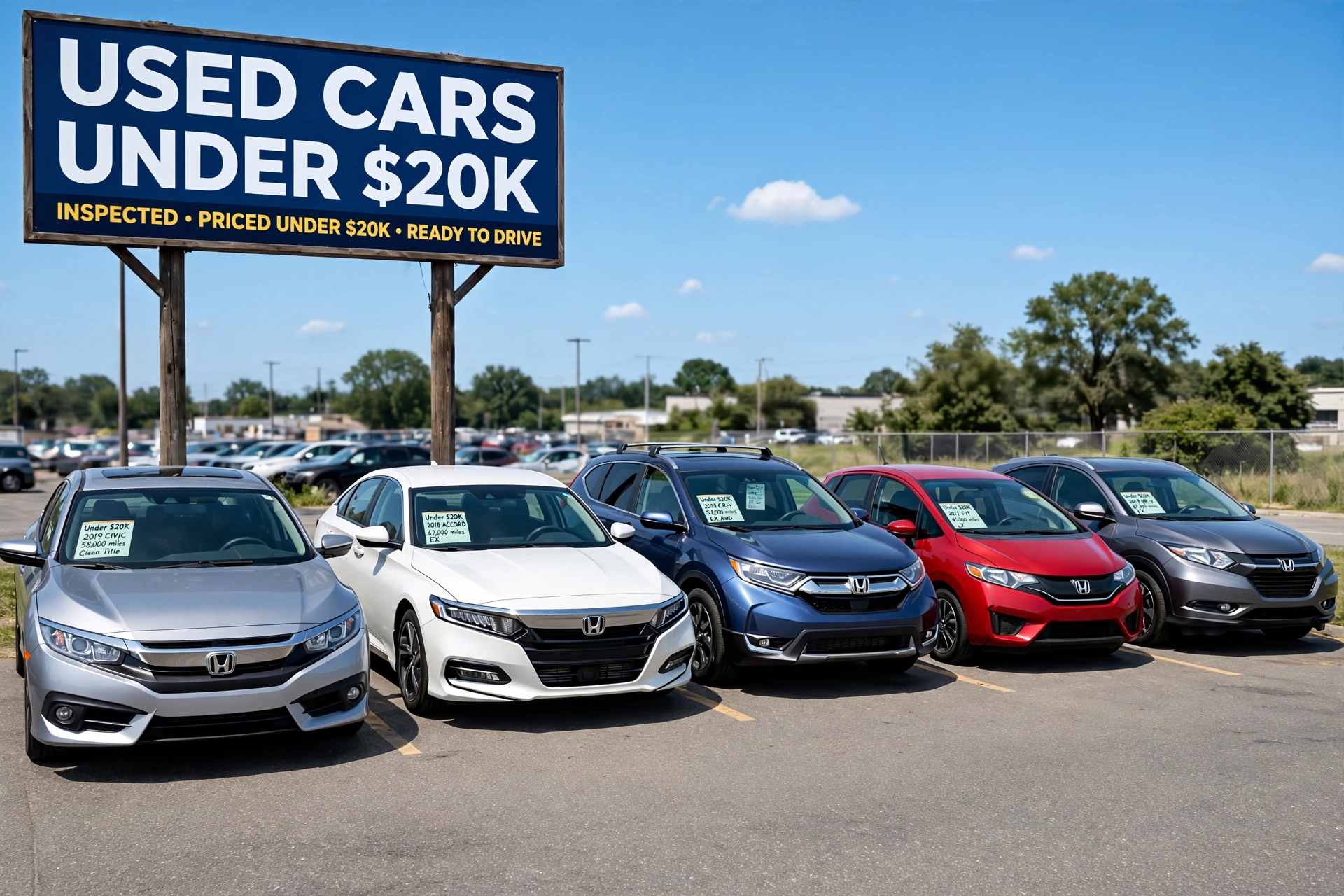
The best used Honda is going to depend on what you are looking for in a car. In the sedan category, we see that Civic and Accord do very well for used buyers. Also, in the SUV category, CR-V and HR-V have great value as they also present that SUV-type drive feel as well as more cargo room. The Fit also is a fine choice if you are in the market for a small, practical car at a great price. As it stands with any of these models, it’s best to check the car’s service history and overall condition; that’s more important than which is the most recent model year out there.
Best Used Honda Models Under $20K
Honda Civic
The Honda Civic is a top choice for those shopping for a used car within a $20,000 budget. It does well in fuel efficiency, has very comfortable seats, is a pleasure to drive, and has a large choice of model years and trims. From the later 2010s and early 2020s, you can get models that have modern safety and tech features, all at great used car prices. As a buyer, do check the mileage, condition, trim level, and service history when you are between similar options.
A Civic that has had a clean history and which has been regularly maintained is a great choice for the long term. During a test drive, check the transmission, brakes, steering, suspension, air conditioning, and electronics. Don’t go for the cheapest option of a Civic right away because a low price at purchase may end up being a poor value if the car needs large repairs soon after.
Honda Accord
The Honda Accord is a better choice for those that want more space and comfort, which the Civic does not provide. It has a larger interior, great trunk space, and a very comfortable ride, which makes it great for family and long highway trips. By the later 2010s, Accords also included the best in safety tech and good fuel economy, which you can still get for under $20,000 with the right mileage and trim.
When looking at a pre-owned Accord, note the transmission, engine, air conditioning, suspension, and maintenance history. You may get a better deal on a used but well-taken-care-of Accord than a new one that has not had proper care. Also, see which primary service has already been performed.
Honda CR-V
The Honda CR-V is a great option for SUV buyers. It does well with cargo space, seating that is very comfortable, good visibility, and also has a practical size for everyday driving. In the later 2010s, we saw CR-V models do under $20,000, which is great for used car shoppers, though prices do still vary by mileage, trim, and car condition.
In the case of SUVs, which have large-scale issues with suspension and tire wear, it is to the buyer’s advantage to pay special attention to these areas. Look at the brakes, tires, suspension, engine, transmission, air conditioning, and underbody. Also, if you are purchasing an all-wheel-drive model, see to it that the system is in proper working order and that the vehicle has had the proper maintenance.
Honda Fit and HR-V
The Honda Fit is a car to look at for those in the market for a smaller, put-together Honda. What it lacks in size, it makes up for in maneuverability, which is great in busy areas. Also, what is impressive is the flexible interior, which gives you more than you are led to believe from the outside. It may be the right choice for people that don’t require a large vehicle and are looking to keep fuel and maintenance costs down.
The HR-V is an intermediate choice between a small car and a large SUV. It has a raised seating position and good cargo space in a compact package. When looking at used HR-Vs, buyers do well to check out the CVT transmission, maintenance history, brakes, tires, and suspension.
Honda Years to Consider
Later Models With Good Maintenance
In any given Honda model year, there isn’t a surefire thing to go without issues. But within a generation, later years are at times better, as by then manufacturers have worked out and fixed issues identified in the earlier production years. What buyers do is research the specific model and engine instead of it being a given that all Hondas from the same year are the same in terms of reliability.
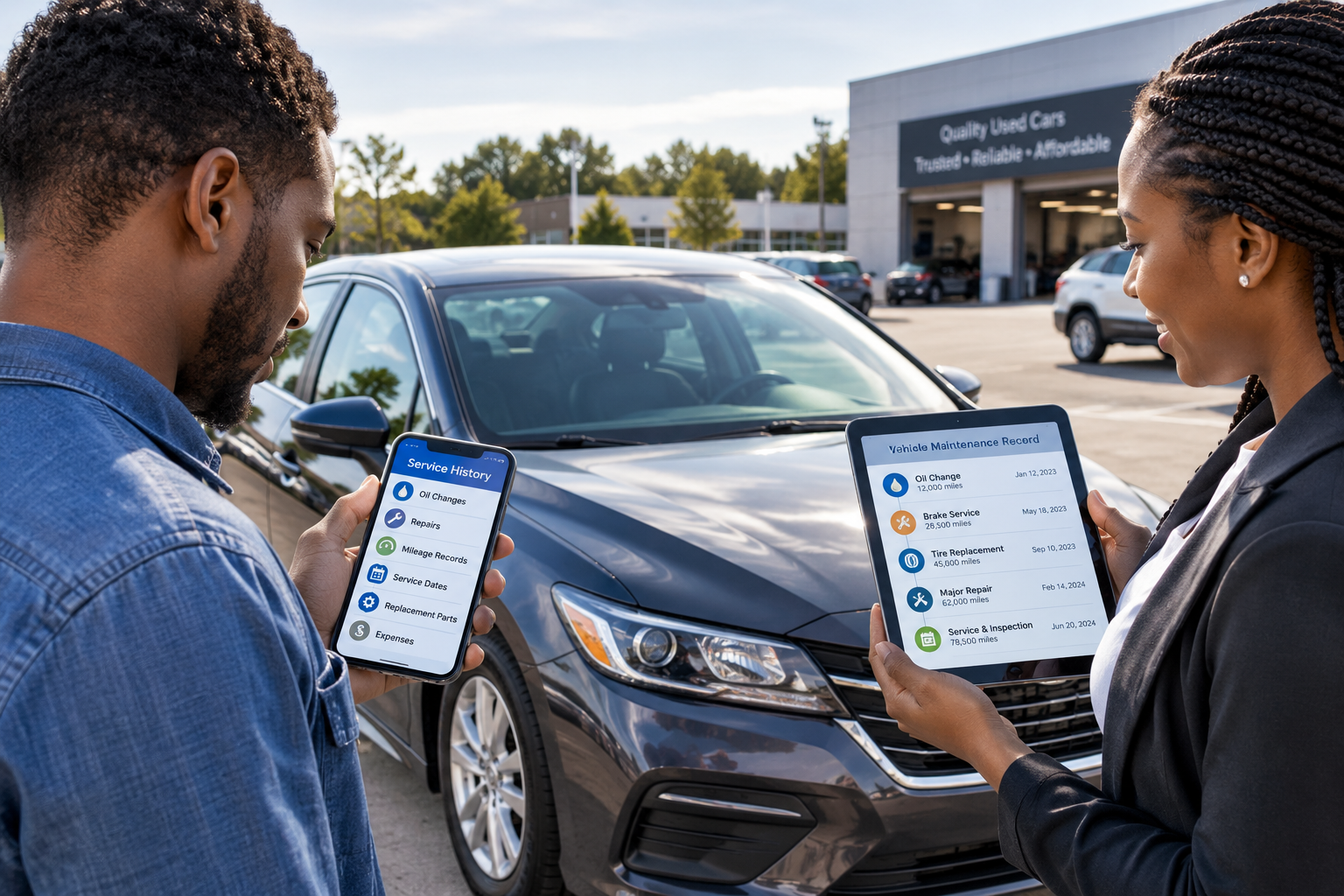
Maintenance history reports are, in fact, very important as a guide, which is greater than the age of the car. You may get a better buy in an older Honda that is well maintained than a brand-new one which has had no care at all. Check out that there is a record of regular oil changes, transmission services as they come due, brake work, tire changes, and other key maintenance tasks.
Years to Approach Carefully
Some older models of Honda had issues with transmissions, air conditioners, and other mechanical components. To say that all from that time do not do well would be a generalization, but do your research on the specific model you wish to purchase. Check out the transmission for hesitation, slippage, harsh shifting, or out-of-the-ordinary sounds. Also, see that the air conditioner is putting out cold air constantly.
Age-related issues are also a factor. In the case of older Hondas, they may require suspension elements, hoses, belts, batteries, seals, cooling system parts, or air conditioning repair. If the car in question requires a few of these repairs, which you will want to research and note the cost of, that should be taken into account in whether the price is indeed a good deal.
Used Honda Pre-Purchase Inspection
Exterior and Interior
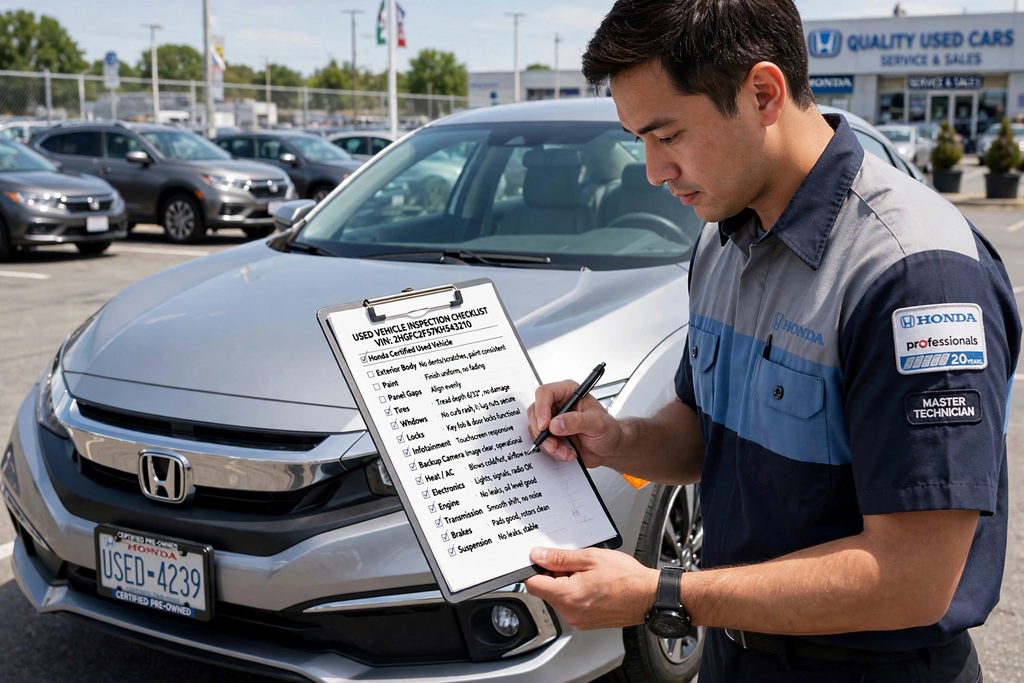
Start out by looking at the body for dents, scratches, off-color paint, out-of-alignment panel gaps, damaged lights, and signs of past repairs. Also, look at the tires for irregular wear and check the wheels for damage. Inside, check out the seats, windows, locks, infotainment system, backup camera, heat, air conditioning, and other electronic features.
Start up the car and pay attention to the warning lights on the dash. See that the warning lights which are still on go out once the engine is running. If you still see a few warning indicators active after the engine starts, get the car a professional inspection before you buy.
Engine, Transmission, Brakes, and Suspension
During the break-in period, note down any issues with the engine which may not start smoothly or that have unusual sounds. Also, report any fluid leaks. Also, note if the transmission shifts out of sync, has a delay in response, slips out of gear, or engages roughly. Also, test the brake system for any vibration, pull to one side, or strange sounds.
The car should also be put to the test on a variety of road types. Pay attention for any clunk or rattle sounds and note if the car has a tendency to pull to one side. We highly recommend a professional pre-purchase inspection, which will catch issues that may not present themselves in a brief test drive.
Check the Vehicle History
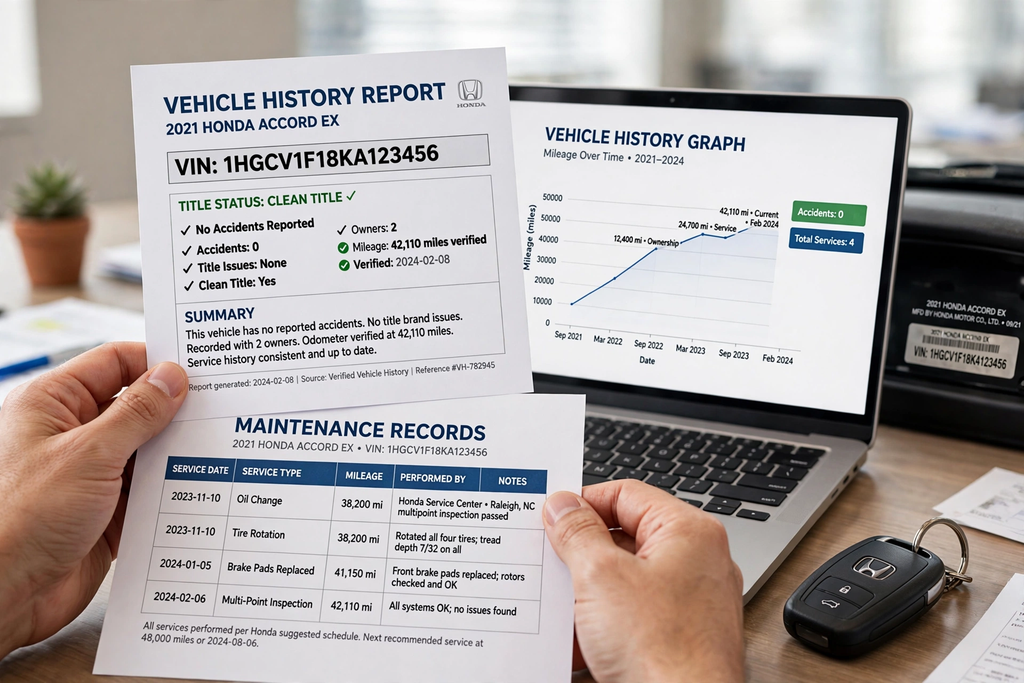
A vehicle history report will show you accidents, title issues, owner info, mileage records, and other reported details. But a clean report does not mean the car has never been in an accident or was poorly maintained. Use the report in conjunction with a physical check and service records.
Request that the seller provide maintenance records, which you, in turn, will compare to the car’s condition. Also, check that the vehicle’s VIN is the same as the one on the papers. If the seller is not able to explain large gaps in the vehicle’s past, look into it more before making the buy.
Conclusion
The Civic, Accord, CR-V, Fit, and HR-V are at the top of the list for Honda in terms of what customers buy at the $20,000 mark. The Civic does it all, the Accord has more space, and the CR-V is great for SUV practicality. For those looking for smaller packages or different cargo space, the Fit and HR-V are very useful options.
The first thing to do is choose the individual used car you are going to purchase out of the Honda line rather than buying into the brand name. Check the history of the car, check the transmission and air conditioning, look at the brakes and suspension, get a past history of the car, and have an independent inspection done prior to purchase. A well-chosen used Honda will give you great value and dependability, in which you can put 100% of your money instead of the full $20,000 budget.