
Best EV charging apps make finding a reliable place to charge your EV easy, which is a key part of being an EV owner. Unlike at petrol stations, charging points are a mixed bag. They belong to many networks, use different connector types, offer different charging speeds, and have different prices and operating terms. That can be confusing for new EV owners or those who are traveling into unknown areas. In fact, the best EV charging station apps make the process easier by putting forward nearby charging stations, which give out information on the stations, which also helps plan trips and choose charge points that are right for your car and your trip.
Today’s charging apps go beyond just mapping out charging stations. What we see is that drivers have at their fingertips charger availability, charging rates, what connectors are supported, operating hours, price information, user reviews, and network details. Also, some apps go the extra mile to include payment options, charge session management, route planning, and saved locations. Thus, it is worth downloading the right app for your needs, which in turn makes both daily charging and long-distance travel easier, by which we mean less time spent in the search for a good station.
How Best EV Charging Apps Work
EV charge point apps use location services and charging network information to put drivers in touch with where electric vehicle charging points are. Once an app is opened, a driver may search out what is nearby or input a destination and see what charging points are along the way. Also, they may see station distance, what types of connectors are available, charging speed, and present availability. Also, some apps will give directions right to the site of the chosen location, which is very handy when you’re traveling in an unfamiliar area.
Understanding how charging-station apps work is important because the information they provide can come from many places. Some apps get data straight from the charging networks, while others collect information from a variety of providers and also from users’ reports. What you see may update very fast. A charger that is reported as available may fill up very soon after, which is why it is a good idea for users to check the latest report before they go and also to have an alternate option in mind.
Types of EV Charging Station Apps
Multi-network apps and network-specific apps are the main types. In multi-network applications, you put in one place charge points from many providers, which is great for drivers that wish to compare what is available from one interface. With network-specific apps, you are connected to a single charging provider and, in return, may get extra features like account management, payment options, control of charging sessions, and in-depth station information.
A multi-network app is of great use to travelers, as it can report chargers that a single network’s app may miss. But do check whether a station requires a separate account, payment method, or membership; they may not be what you are used to. For those that mostly use the same provider, a network-specific app is very valuable, as they provide in-depth and direct control over charging sessions.
Features to Consider for EV Charging Apps

A good charging app will put forward what you need in terms of finding your vehicle a charge point. We see that they include filters for what kind of connector is used, charge speed, network, distance, and also what the availability is. Also, drivers should be able to see information like the number of charge points which are available, business hours, price, and if the station is, in fact, operational. That which now makes it easy to compare locations rather than going with the closest option.
User reviews and reports also put out useful information. Drivers may report issues like defective connections, payment issues, inaccuracy in what is available, hard-to-use access, or poor-quality stations. Reviews aren’t to be taken as the full story because things do change, but repeat recent complaints may indicate an issue which is worth looking into. An app which puts together live data with that useful community feedback can also help drivers make better decisions.
Live Availability and Charging Speed
Real-time access to which chargers are available is what an app should provide. That a charging station is present is good to know, but that a particular charger is free is what will stop me from making a trip in vain. Also, during peak travel times, when popular stations see many vehicles at once, this becomes very important.
Charging speed is a key issue. We see apps which report power levels for various chargers, which in turn allow drivers to compare slow AC charging to fast DC charging. Also, what we find is that the advertised charger power doesn’t always translate to the actual speed which an EV will get because of the vehicle’s own charging, which may be limited. Also, battery temperature and state of charge play a role in charging performance, which is why it is important for drivers to research their vehicle’s features before they choose a station.
Connector Compatibility
Connector checking is a must before you visit a charging station. Different EVs have different connector standards, and what’s more, some charging points may not be compatible with your car. Also, many charging apps feature the ability to filter stations by connector type or input your vehicle details, which in turn helps to identify which chargers are not suitable for your car.
Drivers also look at what is the range of compatible chargers at each location. A station may have the right type of connector you need but still only have one charging point available. During peak times, that can turn what is, for all other times, a great station into a not-so-great option. Looking at both compatibility and availability together is thus better than looking at either factor by itself.
Comparing EV Charging Networks
When it comes to charging networks, drivers should look past the fact of which company has the most chargers. What is important is the coverage, the reliability, the charging speed, the pricing, the availability, what payment options are available to the driver, and the location of the stations. A company which has the fewest number of chargers may, in fact, have the best coverage in a given area and, in that way, is more convenient.
Pricing does also vary between networks. Some stations may charge for energy use, while others may include session fees, time-based charges, parking charges, or membership rates. A good app in this case should present these costs in an easy-to-see way so drivers can compare the total value of different charging locations. Membership plans may be a good deal for frequent users but not as useful for people who only occasionally charge at that network.
How Apps Which Charge for Use Impact Daily Driving
best EV charging station apps make it easy for daily EV use, letting drivers find nearby charging points at work, shopping centers, restaurants and other usual destinations. As we covered in our guide on how electric vehicles are transforming daily driving, many drivers use these apps to plug in while they shop or work. Public stations are also a go-to option when home charging isn’t available.
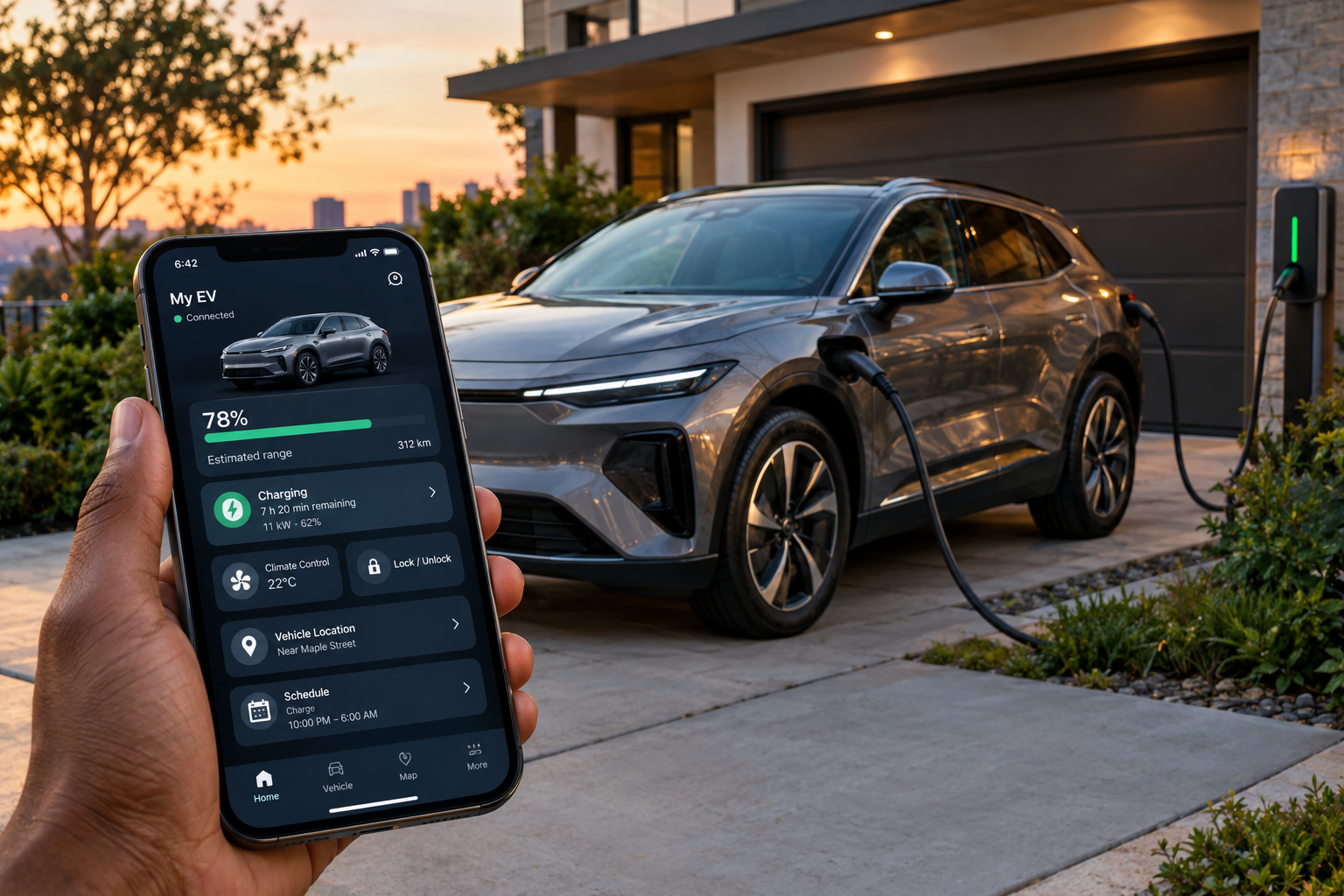
These applications also put at your disposal tools to track charging and related expenses as you input payment information into the app. You can review past charging sessions, which in turn gives you insight into your public charging routine and what it costs. Over time, this will help you to identify which networks and locations have the best mix of convenience, speed, and price.
Using Charging Apps for Road Trips
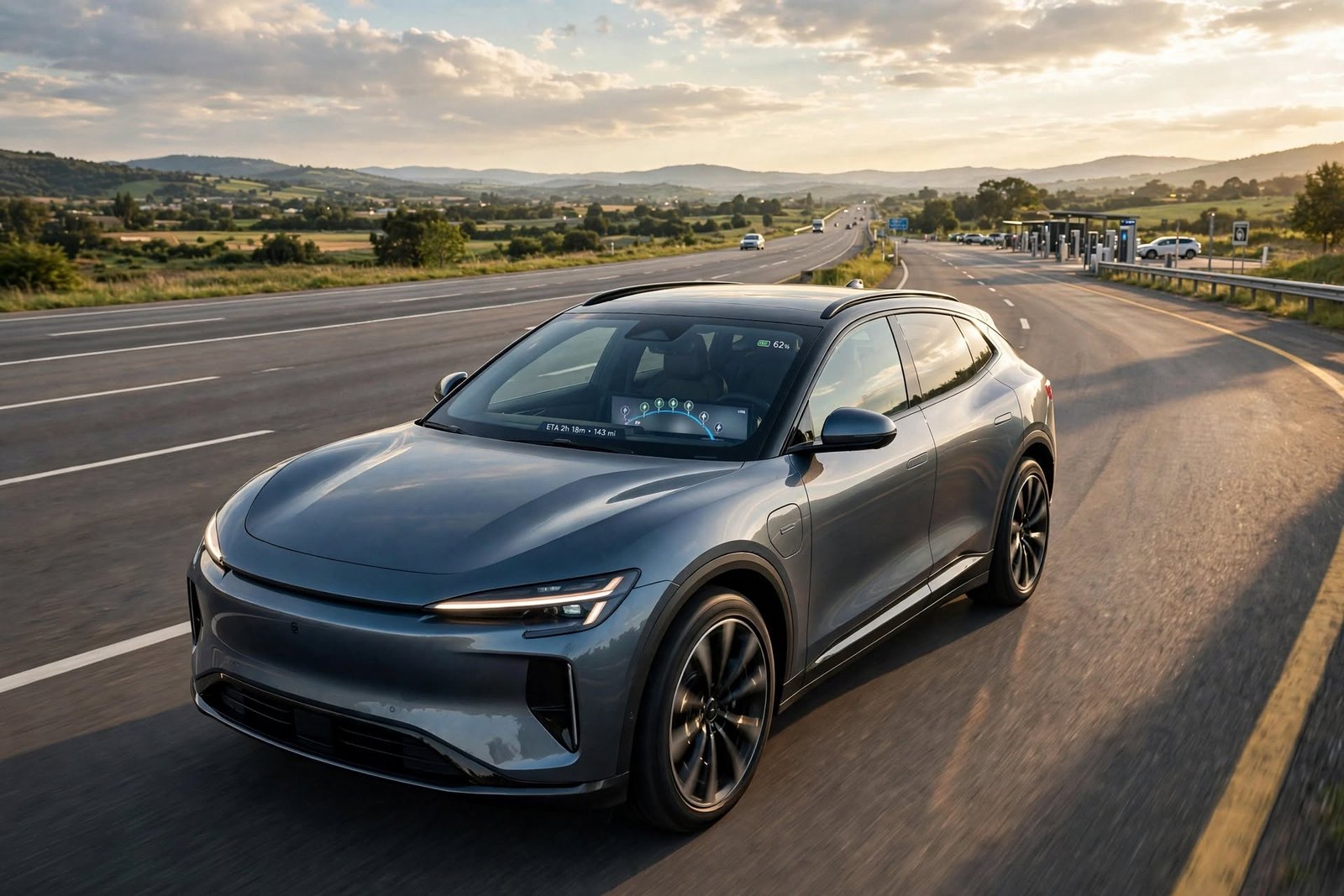
Charging apps also see great use on long-distance trips. Before setting out, drivers may use these apps to determine charging stations along the planned route and to compare their distance, availability, speed, and also the connector type. This, in turn, allows charging breaks to be put into the trip plan based on the car’s range, as opposed to waiting until the battery is very low.
Drivers also should not use a single charging station for the whole of a long trip. A charge point may be full, out of order, or go offline once you hit the road. Having a second option at hand provides that extra peace of mind and reduces stress when your primary choice doesn’t work out. Also, charging at the same time as having a meal, doing some shopping, or taking a rest stop, which in turn will make the trip go by more easily.
Choosing the Best EV Charging App
The best charging app for you depends on what you do with your EV. A daily commuter may mostly use the features of nearby station availability, connector types, and easy pay options, while a road-trip frequentist may value broad network coverage, route planning, live charge point status, price information, and a backup plan. Focus on the features which best fit your regular driving needs instead of getting an app that has a lot of features you may not use.
It also says that you have access to more than one charging app at the same time. Multi-network apps report a wide range of options at your disposal, whereas the stock apps of the most-used networks will, in turn, give you extra account and session features. Also, see to it that you keep your apps updated and check station information before you leave; this will make the charging process more of a sure thing and also reduce the chances of you showing up at a non-functional or out-of-service charger.
Conclusion

EV charge point apps have transformed the game for electric car owners by putting all that key information in one place. We see them as go-tos for finding which stations are near you, which networks to which you can connect, live updates on what is available, what connectors are compatible, what the charging speed is like, what the prices are like, and we see user reviews as very valuable. While these are great for regular charge-ups at home or work, they really shine when you are out of your area or planning a cross-country trip.
The best apps are those which note the driver’s vehicle type and normal travel patterns. We see which ones that have accurate location data, useful filters, live updates, open pricing, and large network coverage do better. With the right charging app and some knowledge of your car’s range and charge-up capabilities, EV owners can spend less time at the charger and more time on the road.

Güzel aydınlatıcı makale için teşekkürler daha iyisi samda kayısı umarım faydalı çalışmalarınızın devamı gelir.
Çok işime yaradı bende bunu nasıl yapacağımı araştırıyorum. Paylaşım için teşekkür ederim.
Takipteyim kaliteli ve güzel bir içerik olmuş dostum.
Ne zamandır web sitelerim için aradığım içeriği sonunda buldum. Bu kadar detaylı ve net açıklama için teşekkürler.
Ne zamandır web sitelerim için aradığım içeriği sonunda buldum. Bu kadar detaylı ve net açıklama için teşekkürler.