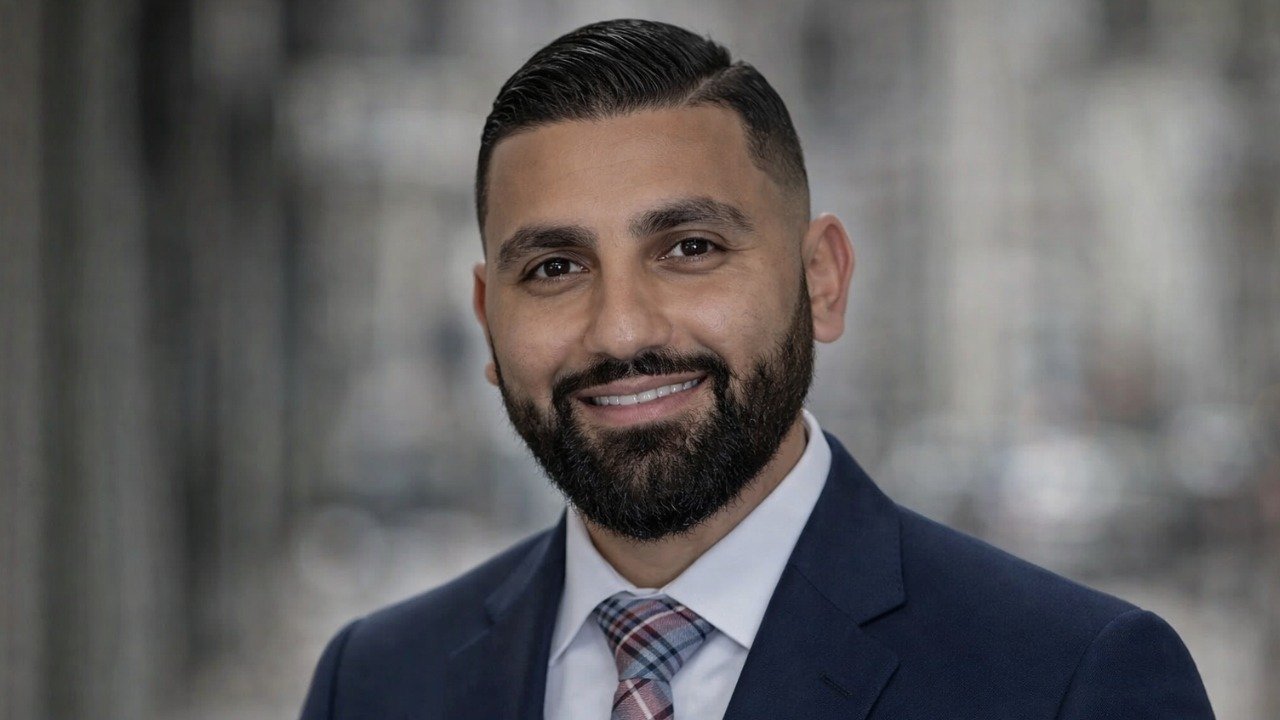
Dr Robert Abraham is an Orlando-based healthcare consultant and regenerative medicine advisor whose work focuses on helping clinics build stronger treatment programs, clearer systems, and more organized operations. His professional background connects clinical education with hands-on healthcare leadership, which gives him a practical perspective on how regenerative medicine fits into modern medical practice. In a field that depends on both treatment innovation and careful implementation, that combination matters.
Regenerative medicine continues to draw attention from clinics that want to expand patient care services in a thoughtful way. The field includes biologic therapies and treatment approaches designed to support tissue recovery, improve healing, and give providers additional options for patients dealing with chronic pain, mobility issues, and wound care needs. These programs can create real opportunity for a clinic, but they also require planning, staff preparation, and strong communication systems to work well.
That is why Dr Robert Abraham’s work stands out in this space. His professional focus is not limited to the idea of adding new therapies. It is tied to the process of helping clinics build the structure needed to support those therapies properly. From operations and workflow to treatment program development and biologics access, his profile reflects a systems-based approach to regenerative medicine rather than a simple expansion mindset.
Who Is Dr Robert Abraham?
Dr Robert Abraham is known for work in regenerative medicine consulting, healthcare strategy, and clinic development. Based in Orlando, he has built a professional identity around helping healthcare providers improve operations while introducing modern treatment programs in a more organized way. For readers who want added context on his broader healthcare background, Dr Robert Abraham Orlando Based Chiropractor connects with related discussion around clinic development, systems, and long-term practice growth.
Part of what defines his public profile is the combination of clinical education and business experience. He is not presented only as an executive or consultant. He is also someone whose background includes direct exposure to healthcare practices, patient treatment systems, and the day-to-day realities of clinic operations. That gives his work a practical tone, especially when the conversation shifts from broad healthcare growth to the specific demands of regenerative medicine programs.
He is also associated with Cross Biologics, where his leadership role connects him to biologics access, clinic support, and treatment program development. That role strengthens the broader picture of his work because regenerative medicine depends on more than medical interest. It depends on the ability to build programs that fit within real clinic environments and support patients in a consistent way.
Dr Robert Abraham’s Educational and Professional Background
Dr Robert Abraham built his academic foundation through studies in Health Sciences and Biology at the University of Central Florida. That education gave him a strong understanding of human health, physiology, and healthcare systems. It also laid the groundwork for a career that would later connect clinical care with healthcare operations and treatment program strategy.
After completing his undergraduate studies, he went on to earn a Doctor of Chiropractic degree. That training deepened his understanding of musculoskeletal health, chronic pain conditions, and patient treatment planning. Through this stage of his education, he gained practical knowledge about patient interaction, clinical procedures, and the importance of building treatment systems that can support real outcomes over time.
He also expanded his professional knowledge through additional study in nutrition, functional medicine, chronic pain treatment, and neuropathy care. These areas are relevant because many clinics working in regenerative medicine also support patients dealing with long-term discomfort, mobility concerns, and tissue recovery challenges. The more complete a provider’s understanding of those patient needs, the stronger the treatment program can become.
Over time, this educational and clinical background developed into a broader professional focus. Rather than staying limited to direct care settings, Dr Robert Abraham moved into healthcare operations, clinic leadership, consulting, and biologics-related support. That shift gave him a wider view of how clinics grow, how systems affect treatment delivery, and how new therapies can be introduced in a way that remains organized and sustainable.
What Regenerative Medicine Means in Today’s Healthcare Environment
Regenerative medicine is a growing area of healthcare that focuses on therapies designed to support the body’s repair processes, improve tissue recovery, and give providers more treatment options for certain patient needs. In practical terms, it often involves biologic therapies used in settings related to pain management, wound care, and recovery support.
The field has attracted attention because many providers want to expand the ways they support patients with chronic pain, joint issues, mobility concerns, and healing challenges. At the same time, regenerative medicine is not something a clinic can simply add overnight. It requires careful planning, staff preparation, patient education, and a clear understanding of how treatment programs will function inside the practice.
This is where operations become just as important as the treatment itself. A clinic needs systems that can support scheduling, documentation, communication, and follow-up. Staff need to understand procedures. Patients need clear explanations. Leadership needs a plan for how the treatment program fits into the larger operation. Without those pieces in place, even a promising service line can become difficult to manage.
That is why regenerative medicine is not only a clinical topic. It is also an operational one. Clinics that do well in this area usually treat program development as a structured process rather than a quick business addition.
How Dr Robert Abraham’s Work Connects to Regenerative Medicine
Dr Robert Abraham’s work connects to regenerative medicine through a focus on program development, biologics access, clinic support, and operational structure. His role is not framed around treatment claims or promotional language. Instead, it centers on helping providers build the systems needed to introduce and support regenerative therapies inside real medical practices.
That includes helping clinics understand what is required before launching a new service line. A regenerative medicine program needs more than patient interest. It needs a workflow that makes sense. Staff need training. Communication standards need to be clear. Documentation must remain organized. Treatment planning has to fit within the clinic’s existing systems without creating confusion or unnecessary strain.
This systems-first approach is important because regenerative medicine often involves additional coordination compared with standard service delivery. Providers may need guidance on treatment planning, staff preparation, and patient education. A clinic that is already busy can struggle if these elements are not addressed early. Dr Robert Abraham’s work is tied to helping practices prepare for that kind of complexity in a more controlled way.
His connection to Cross Biologics adds another layer to this role. Through that leadership position, he is linked to biologics support and clinic-facing implementation work. That relationship places him in a practical position within the regenerative medicine space, where both healthcare strategy and treatment access play a role in whether a program develops successfully.
The Importance of Structure in Regenerative Medicine Programs
Regenerative medicine programs need structure from the start. A clinic cannot rely on interest alone and expect a new treatment area to run smoothly. Like any healthcare service, it depends on clear systems, defined responsibilities, and communication that stays organized even when the clinic gets busy.
One part of that structure is workflow. Staff should understand the patient journey from the first consultation through follow-up care. Front-desk coordination, intake, treatment scheduling, charting, and patient education all need to connect. If those steps are unclear, the treatment program may begin to feel inconsistent for both the patient and the team.
Another part is preparation. Introducing regenerative medicine often means clinics must train staff, review procedures, and make sure leadership is ready to support the change. Programs tend to perform better when they are introduced carefully instead of rushed into an already strained operation.
Patient communication is also essential. Regenerative medicine can involve unfamiliar terminology and treatment expectations. Clinics need to explain plans clearly and make sure patients understand what to expect. This improves trust and makes the overall experience more stable.
Structure matters because it protects both the clinic and the patient experience. It helps new treatment programs grow in a way that remains organized, practical, and easier to sustain over time.
Clinic Experience and Operational Knowledge
A major strength in Dr Robert Abraham’s profile is the operational side of his background. Over the years, he has built experience in clinic management, treatment program development, and healthcare systems that support chronic pain and neuropathy-focused practices. That kind of experience matters because regenerative medicine programs do not exist in isolation. They must function inside the daily realities of a healthcare practice.
Clinic operations involve more than medical decision-making. They involve patient intake, scheduling systems, staff coordination, follow-up communication, documentation, and the ability to keep standards consistent as demand rises. These areas may not always be the most visible part of healthcare, but they often determine whether a treatment program feels organized or unstable.
Experience inside multi-location healthcare operations adds another level of understanding. Managing more than one location requires stronger systems, clearer leadership, and more disciplined communication. It also creates a better understanding of what can go wrong when a clinic grows too quickly or adds complexity without enough preparation.
This kind of operational knowledge strengthens regenerative medicine work because it keeps the focus practical. It shifts the conversation away from vague growth language and toward the systems that actually support successful implementation.
Leadership at Cross Biologics and Broader Healthcare Support
Dr Robert Abraham’s role at Cross Biologics is an important part of his work in regenerative medicine. Through that leadership position, he is associated with biologics access, clinic support, and treatment program development for providers working in regenerative medicine and wound care.
This role matters because clinics often need more than product access when they expand into a new service area. They also need support in how those therapies fit into workflow, staff preparation, and long-term operational planning. Supplier relationships, implementation systems, and treatment coordination all connect in practical ways inside a medical practice.
Cross Biologics sits within that part of the healthcare process. It reflects the connection between biologic technologies and the clinics that want to use them responsibly and effectively. For Dr Robert Abraham, this role adds an executive dimension to his profile while keeping the work closely tied to the real needs of healthcare providers.
It also broadens the scope of his professional identity. He is not limited to one clinic or one treatment environment. His work is tied to supporting providers across a wider healthcare landscape, especially those seeking better structure as they introduce regenerative and wound care therapies.
Why Dr Robert Abraham’s Regenerative Medicine Work Stands Out
What stands out most about Dr Robert Abraham’s work in regenerative medicine is the balance between clinical understanding and operational planning. Many professionals may speak about healthcare growth in broad terms, but his profile is more closely tied to the practical side of implementation.
He has an educational background rooted in health sciences and chiropractic training. He also has experience in clinic operations, treatment program development, and healthcare leadership. That combination helps explain why his work is associated with organized growth rather than simple expansion.
Another point that stands out is the emphasis on responsible development. Regenerative medicine can create opportunities for providers, but those opportunities need structure behind them. His work reflects the idea that clinics should strengthen systems, train teams, and improve communication before expecting a new treatment area to perform well.
That gives his professional identity a more serious tone. It suggests a focus on execution, workflow, and sustainability instead of hype. In healthcare, that kind of profile tends to carry more long-term value because it connects growth with discipline.
The Orlando Connection
Orlando is an important part of Dr Robert Abraham’s professional identity. It serves as the geographic anchor for his public profile and helps place his work within a recognizable healthcare market. Orlando is a growing city with active healthcare demand, which makes it a relevant location for conversations around clinic development, regenerative medicine, and healthcare operations.
Location also matters because it gives readers context. An Orlando-based profile suggests connection to a real healthcare environment rather than a generic business identity. It helps frame his work within a city where providers face rising demand, patient expectations, and pressure to build stronger systems as they grow.
For branded search, this local connection adds value as well. It links his name to a specific place and makes the profile feel more grounded. In authority-style content, that kind of location signal can help create a stronger and more believable professional picture.
A Broader View of Dr Robert Abraham’s Healthcare Focus
Although regenerative medicine is a central part of the discussion, Dr Robert Abraham’s work extends across a broader healthcare focus. His profile includes clinic strategy, biologics support, wound care program development, healthcare operations, and long-term planning tied to treatment implementation.
That broader scope matters because regenerative medicine does not function on its own. It works best when clinics have the operational ability to support it. This means the surrounding systems are just as important as the treatment program itself. Staff alignment, communication, workflow, and patient education all play a role.
His work reflects that wider understanding. It suggests a view of healthcare development that includes both the treatment side and the business side of a clinic. That makes his profile useful in more than one conversation. He is relevant in discussions about regenerative medicine, but also in discussions about how healthcare practices improve systems and introduce services in a sustainable way.
Conclusion
Dr Robert Abraham’s work in regenerative medicine is best understood through the combination of clinical background, healthcare strategy, and operational leadership that shapes his professional profile. Based in Orlando, he is associated with helping clinics build stronger treatment programs, improve systems, and introduce regenerative medicine in a more organized and practical way.
His work stands out because it focuses on implementation rather than simple expansion. It reflects the idea that modern healthcare growth depends on more than adding services. It depends on the structure behind those services and the ability of a clinic to support patients consistently as new programs develop.
That is what gives this profile lasting relevance. Dr Robert Abraham is not only linked to regenerative medicine as a field. He is also linked to the systems, planning, and leadership that help that field function well inside real medical practices.