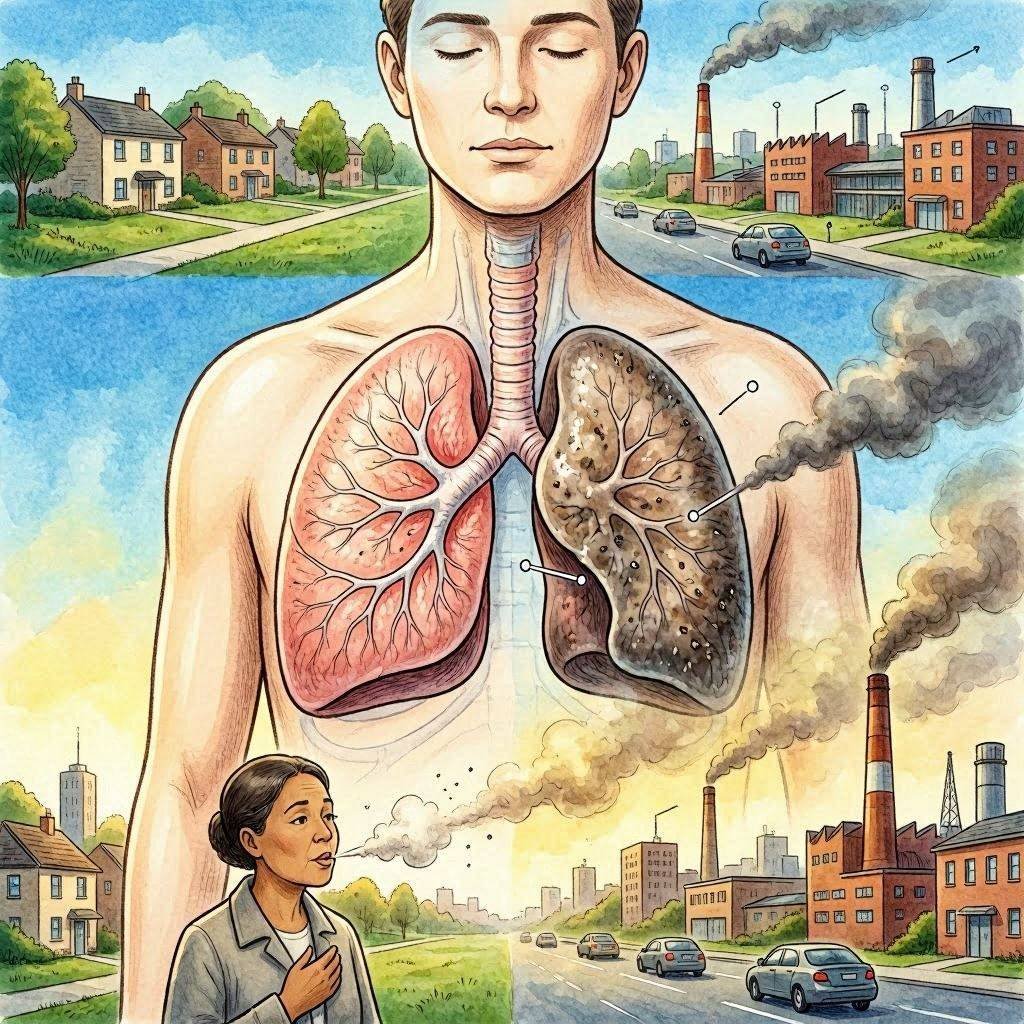
Because air pollution is the air breathed daily, which can directly affect the functioning of the lungs and respiratory system, it has become one of the most serious environmental and public health issues in the modern world. Having clean air is necessary for breathing and the lungs require a continuous supply of oxygen-laden air to create energy, regulate organs and maintain physical health. The respiratory system is susceptible to damage, inflammation, and irritation, however, when the air is contaminated with many harmful pollutants, including those found in smoke, dust, chemicals, industrial emissions and toxic particles. A lot of people breathe polluted air both at home and at work without knowing the powerful impact it can have on their breathing and overall well being.
The respiratory system can be exposed to pollution via inhalation and the toxic material may reach the depths of the lungs where it disrupts normal gas exchange and detrimentally affects the respiratory defence mechanisms. Exposure to polluted air is a major cause of the development and aggravation of chronic respiratory diseases like asthma and chronic obstructive pulmonary disease, according to the World Health Organization. Air pollution can also make people more susceptible to respiratory infections, lung irritation, stunted lung development in children, and chronic lung disease in adults. The impact of clean air on lung health is significant, and being aware of it can lead to better behaviors, environmental protection, and prevention strategies that limit exposure to harmful pollutants and promote better lung health.
Air pollution enters the body through the respiratory system, which is the site of its impact.
Pollutant-laden air is filtered, warmed, and moistened prior to entering the lungs, but over exposure of pollutants to the system can lead to failure of these protective mechanisms. Air enters via the nose or mouth and passes through the windpipe, bronchi and bronchioles and finally into the alveoli where oxygen is absorbed by the blood and carbon dioxide is eliminated. Polluted air is frequently filled with tiny particles and toxic gases, which can get into the lungs through the body’s defenses and remain there. They can include vehicle emissions, industrial emissions, tobacco smoke, toxic chemicals, dust and toxic chemicals from combustion of fuel and waste.
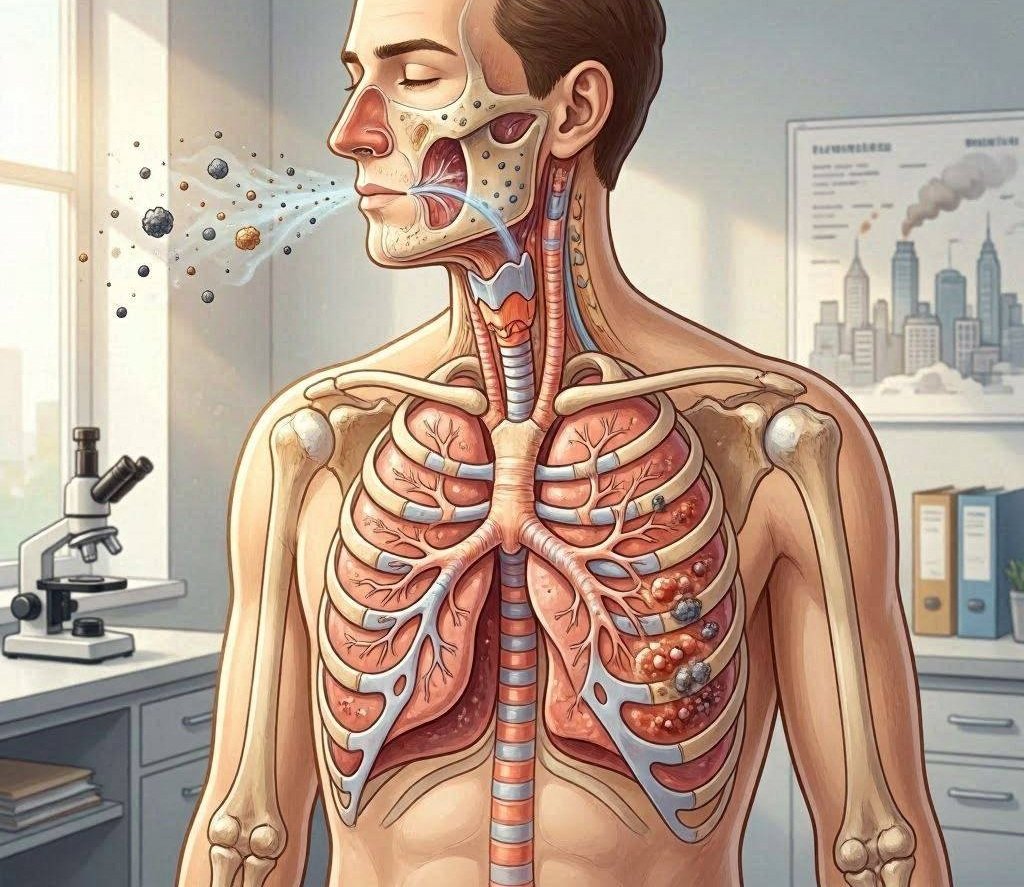
Pollutants irritate the tissues in the respiratory system, causing inflammation. The body tries to protect itself by forming mucus and triggering immune reactions, but this continuous exposure can result in chronic irritation and damage. Mucous clearance from the airways is normally provided by cilia, which are tiny hair-like structures, but pollutants like cigarette smoke and chemical fumes can damage or destroy the protective cilia. This means that toxic chemicals stay in the lungs for longer and can lead to a higher incidence of infection and respiratory disease.
FPM is especially harmful because it is small enough to penetrate the alveoli and even into the bloodstream. They may enter the lungs and decrease the efficiency of the exchange of oxygen and lead to inflammation in the body. Exposure to polluted air over an extended period of time can cause the lungs to slowly become less efficient and breathing to become harder, particularly for children, older people and those who already have a respiratory illness. This illustrates the way in which the environment pollutes one of the most important life-supporting systems in the body.
Learn the effects of smoke, dust and chemicals on lung efficiency
Airway tissues can be damaged by smoke, dust and chemical pollutants and can reduce the efficiency of the lungs to function properly and exchange oxygen and carbon dioxide. Cigarette smoke, industrial emissions, wildfire and burning fuels release the toxic gases and particles that irritate the respiratory tract and cause inflammation of lung tissue. Smoking over a period of time will help weaken the immune system, and it will cause the alveoli to slowly be destroyed as well, making it harder for the lungs to take in oxygen.
The other significant respiratory problem is dust particles which are particularly hazardous in construction, mining, agricultural and industrial manufacturing areas. Because of the prolonged exposure to dust, it may irritate the airways and cause chronic inflammation or scarring of the lungs. Dust can be particularly harmful if it is formed of particles of certain substances, like silica or asbestos, that can be inhaled and remain in the lungs for many years, causing serious respiratory illnesses or even lung cancer. Household dust and household pollens can also lead to respiratory irritation in susceptible persons, particularly those suffering from allergies and asthma.
Exposure to chemical pollutants that enter the environment from cleaning products, paints, pesticides, industrial solvents and burning fuel may also have a negative impact on respiratory health. Chemical fumes may irritate airways right away, leading to coughing, throat irritation, dizziness or difficulty breathing. Exposure to toxic chemicals over a long period of time may cause long-term damage to the lungs and heighten the chances of chronic respiratory diseases. Exposure may be exacerbated by poor indoor ventilation, leading to an accumulation of pollutants in indoor spaces. Smoke, dust and chemicals work together to decrease respiratory efficiency and make it harder for the lungs to help the body to breathe properly and get oxygen to other parts of the body.
Air pollution causes a host of symptoms and exacerbates asthma
Poor air quality can make it more difficult to breathe and irritate the airways, making asthma a common respiratory condition impacted. Asthma develops when the airways become inflamed and over-sensitive to things like smoke, dust, pollen, chemicals and pollutants in the air. Poor air quality can lead to tightening of the muscles in the airways and increase the amount of mucus that is generated, causing difficulty breathing and resulting in symptoms like wheezing, coughing, chest tightness and shortness of breath.

The pollution-induced asthma is especially dangerous for children since their lungs are still developing and they breathe more often than adults. Chronic exposure to poor air quality during childhood could affect lung development and the risk of respiratory diseases later in life. Asthmatic adults can also have a higher incidence and severity of asthma attacks when exposed to high levels of pollution, particularly when the air is full of heavy traffic, industry or wildfire smoke.
Poor air quality can cause respiratory symptoms in people who don’t have asthma. Pollutants irritate the throat, nose and lungs, leading to coughing, breathing difficulties, headaches and decreased exercise capacity. Polluted air can be particularly dangerous during physical activity when it is inhaled more deeply and goes further into the lungs. This shows the impact of air quality on people suffering from known respiratory diseases, but also on the general population, especially in heavily polluted urban or industrial settings.
Air pollution and chronic respiratory diseases
Chronic respiratory diseases are so closely linked to long-term exposure to polluted air that they are considered to be caused by long-term exposure. Chronic respiratory diseases are diseases that slowly affect the lungs and breathing over time. COPD or chronic obstructive pulmonary disease is one of the major diseases that are associated with environmental pollutants and smoking. Conditions associated with COPD include chronic Bronchitis and Emphysema, both of which increase the difficulty of breathing and lead to decreased airflow. Pollutants are associated with chronic inflammation and lung tissue destruction, which can speed lung function loss.
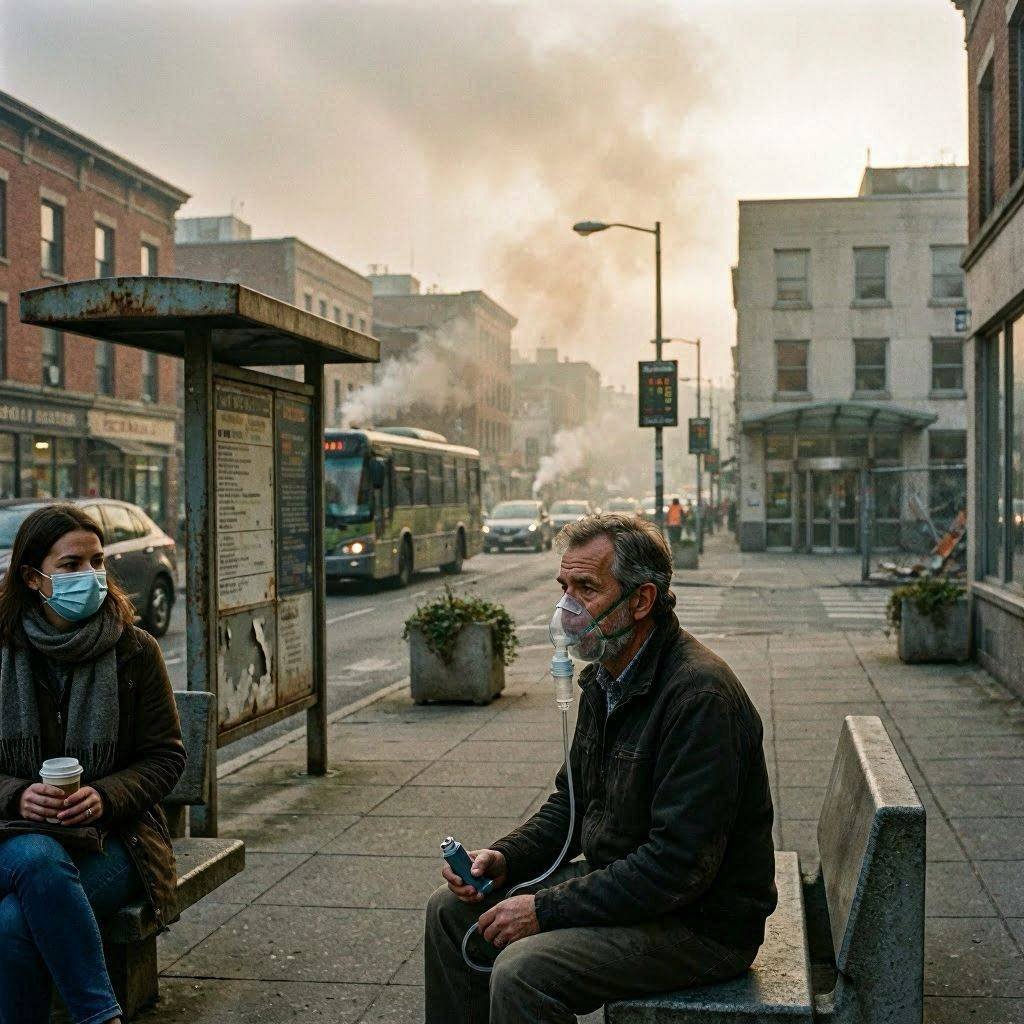
Air pollution can also make people more susceptible to lung infections and make their lungs less able to bounce back from illness. Air pollution lowers the body’s ability to fight infections and harms cilia, which keep bacteria and other harmful substances from getting into the lungs. People who are exposed to poor air quality could have more frequent respiratory infections like bronchitis and pneumonia. Multiple infections can also lead to additional damage of the lungs and aggravate the lung disease.
Another risk of pollutants is that long-term exposure is linked to an increased risk of lung cancer; many air pollutants are carcinogens, meaning they can cause cancer by damaging the DNA of cells. This can include industrial emissions, cigarette smoke and chemical fumes. Respiratory effects are not the only health damage caused by polluted air; fine particles inhaled by breathing can also penetrate the bloodstream and trigger inflammation, which can have a negative impact on cardiovascular health. These co-effects demonstrate the interdependencies between chronic respiratory diseases and other major health problems and environmental air quality.
Measure to protect lung health and prevent conditions of the lungs
Individual prevention measures and overall environmental strategies to limit exposure to pollutants are all important in maintaining lung health. The primary action that can be taken by individuals is to refrain from smoking and to minimize their exposure to second hand smoke being one of the major cause of respiratory damage in the world. Avoiding exposure to increased pollution, particularly when air quality is unhealthy or when wildfire smoke is present, can also keep lungs safe from exposure.
Air quality within buildings is also important as pollutants can build up inside buildings, particularly within the home and the workplace. The proper ventilation, air filter systems, and minimizing the use of harsh chemical products can help to decrease air pollution indoors. Maintaining good cleanliness in the living areas, and minimizing the build-up of dust can also help with the comfort of living areas, particularly for those with allergies or asthma. Using protective masks in highly polluted or dusty atmosphere may offer extra protection from harmful particles.
Keeping a healthy lifestyle can help build up the body’s defenses and enhance lung function with time. Exercise is important for the lungs as well as circulation, and proper nutrition is important for the body to heal damaged tissue and to help the immune system function properly. Drinking plenty of liquids keeps the mucus thin and helps it drain from the airways. However, awareness within the public, environmental regulations and measures to curb industrial pollution and air pollution due to vehicles are also crucial to safeguard community health and minimise the burden of respiratory diseases in the long run.
Conclusion
Respiratory problems are a serious concern due to the potential of air pollution to harm the lungs, diminish lung function and cause chronic respiratory illness. Respiratory system relies on clean air for proper working, but when the environment is polluted, harmful particles in the air damage the lung tissues and cause inflammation, reduce the body’s ability to defend itself from harmful particles, and affect the exchange of oxygen. Air pollution can exacerbate asthma, limit lung function and lead to subsequent chronic respiratory diseases like emphysema, chronic bronchitis and chronic obstructive pulmonary disease, over time.
Polluted air doesn’t just cause short-term breathing issues as it can also impact the body’s health, cardiovascular function, and life quality in the long-term. Those who are most susceptible to the negative impacts of environmental pollution are children, older adults and people suffering from pre-existing respiratory diseases. Taking steps to prevent disease, including avoiding smoking, enhancing indoor air quality, minimizing exposure to pollution and helping to protect the environment, may help keep lungs healthier and lower disease risk. The awareness of the impact of dirty air on breathing brings about better choices and awareness of the need for clean air for long-term respiratory health and wellbeing.