Health Is Personal, and That’s Okay
Nobody has a perfect health record. Not the person posting their meal preps on social media, not the colleague who runs every morning before work, not even your GP. The honest truth is that better health isn’t about arriving at some flawless version of yourself it’s about making slightly better decisions, more often, over a long period of time.
What makes this tricky is that health advice tends to be delivered in absolutes. Cut out sugar entirely. Never skip a workout. Eliminate all stress. That kind of all or nothing framing sounds motivating in theory, but in practice it just sets most people up to feel like they’ve failed.
Here’s the thing your habits don’t have to be extreme to be effective. A few well chosen changes, applied consistently, will do more for your health than any dramatic overhaul you abandon after two weeks. This guide is about giving you a realistic framework one that acknowledges that you’re a real person with a real life.
The Everyday Habits That Shape Your Wellbeing
Sleep: The Underrated Foundation
If there’s one area where most people are quietly sabotaging their health without realizing it, it’s sleep. Not dramatically not staying up until 3am every night but by consistently shaving off an hour here, scrolling in bed there, and waking before the body is ready.
Chronic sleep debt accumulates faster than we notice. It affects cognitive performance, appetite regulation, emotional resilience, immune response, and cardiovascular health. The research on this is not subtle poor sleep is one of the strongest predictors of poor long term health outcomes.
The good news Sleep hygiene improvements tend to produce fast, noticeable results. A consistent wake time, a cooler bedroom, and reducing blue light exposure before bed can meaningfully improve sleep quality within days. Not weeks days.
Hydration and Nutrition Getting Back to Basics
You might notice that the most effective nutrition advice is also the least exciting eat mostly whole foods, stay hydrated, include plenty of protein and fibre, and be honest about how much ultra processed food is creeping into your diet.
That’s it. That’s genuinely most of the picture. The supplement industry, the diet book industry, and the wellness influencer economy all depend on making this seem more complicated than it is. A diet built around vegetables, lean proteins, legumes, healthy fats, and minimal added sugar will outperform almost any trendy protocol over the long haul.
Hydration is similarly straightforward and similarly underestimated. Aim for 2 to 3 litres of fluids per day, adjust based on your activity level and climate, and pay attention to how your energy and concentration shift when you’re consistently well hydrated. The difference is often striking.
What You Consume: Making Smarter, More Informed Choices
Caffeine, Alcohol, and Being Honest With Yourself
Most people have a complex relationship with at least one of these. Caffeine is almost universally accepted as harmless in moderation and for most healthy adults, it is. But there’s a point where regular high caffeine intake starts masking fatigue rather than resolving it, and that line is easier to cross than most people admit.
Alcohol is the more significant conversation. Moderate consumption may carry limited health risks for some people, but the culture around alcohol especially in social or professional contexts often makes it hard to evaluate your intake objectively. It’s worth doing that honestly, without judgment.
Tobacco and the Journey Toward Reduction
Tobacco use remains one of the most preventable causes of serious illness globally, and yet quitting is genuinely hard. Not because people lack willpower, but because nicotine is a physiologically addictive substance that interacts with mood, stress, routine, and identity in ways that go well beyond a simple habit.
This is precisely why harm reduction meeting people where they are rather than demanding cold turkey has become a respected approach in public health. When someone can’t or won’t stop immediately, reducing the harm associated with continued use is a legitimate and evidence backed strategy.
Moving More Without Making It a Chore
The Exercise Consistency Problem
Here’s a pattern most people will recognize buy the gym membership in January, go consistently for three weeks, miss a session, feel guilty, go less, then stop entirely by March. It’s almost a cultural cliché at this point.
The issue isn’t discipline it’s design. When exercise feels like a chore you have to psyche yourself up for, it will always lose the battle against the couch on a tired Wednesday evening. The solution is to make movement feel less like punishment and more like something you actually want to do. That means finding activities you genuinely enjoy, even if they’re not optimally efficient.
The Role of Strength and Cardiovascular Fitness
The Role of Strength and Cardiovascular Fitness
Resistance training preserves muscle mass as we age, supports metabolic health, improves bone density, and has a surprisingly strong relationship with mental health outcomes. Even two sessions a week makes a meaningful difference.
Cardiovascular fitness whether from running, cycling, swimming, or just brisk walking protects heart health, improves lung capacity, and tends to have a remarkable effect on mood and energy levels. Zone 2 training a conversational pace you can sustain for 30 to 60 minutes is increasingly recognized as one of the most effective approaches for long term health.
Managing Stress Before It Manages You
Why Stress Is a Physical Problem
Stress often gets treated as a psychological inconvenience rather than a physiological reality. But chronic stress elevates cortisol, disrupts sleep architecture, promotes inflammation, impairs immune function, and alters appetite and digestion. It is, in every meaningful sense, a physical health issue.
The strategies that work tend to be the unsexy ones regular movement, adequate sleep, social connection, time in natural environments, and building space for genuine rest into your day. If you find that stress is consistently high and none of the standard tools are helping, it’s worth treating that as a medical issue and speaking to a professional.
The Breath and the Nervous System
One underused tool breathwork. Controlled breathing particularly slow exhalation directly activates the parasympathetic nervous system and lowers physiological stress markers. It costs nothing, takes minutes, and the evidence for its short term effectiveness is solid.
Even simple box breathing 4 counts in, hold 4, out 4, hold 4 can interrupt a stress response when you catch it early. You might notice that doing this consistently shifts your baseline stress level over time, not just in the moment.
Modern Alternatives and Harm Reduction: A Realistic Perspective
The Case for Meeting People Where They Are
Public health has increasingly embraced harm reduction as a pragmatic and compassionate framework. Rather than demanding ideal behaviors overnight, it recognizes that incremental improvement is still improvement and that reducing risk where full elimination isn’t immediately possible saves lives.
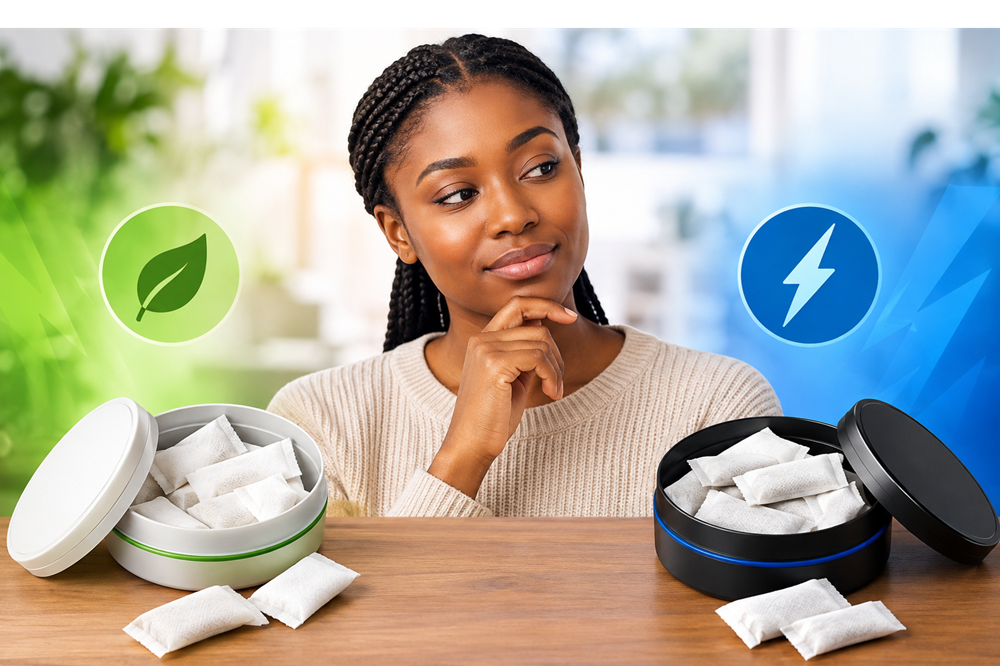
This applies directly to tobacco and nicotine use. Products like Nic Salts have gained traction as alternatives for people looking to step away from traditional cigarettes. By removing combustion from the equation, they significantly reduce exposure to the tar and carbon monoxide responsible for much of smoking’s harm profile. For someone who isn’t ready or able to go fully nicotine free, this kind of swap can represent meaningful progress.
Vaping and the Smoke-Free Transition
Vaping has become one of the most widely discussed harm reduction tools in this space, and with good reason. For committed smokers, switching to a vaporizer removes the combustion element that causes most smoking related illness.
For those working toward eliminating nicotine dependence entirely, transitioning to 0 nicotine e liquid offers a way to maintain the habitual and sensory aspects of the experience while removing the addictive substance altogether. To be honest, none of these tools are presented as ideal endpoints but progress is progress, and dismissing imperfect steps rarely helps people get further down the road.
Being Clear-Eyed About What You’re Choosing
Whatever alternatives you explore, the most important thing is making genuinely informed decisions. Understand what you’re using, why you’re using it, and what your longer term intention is. Products used mindlessly can become habits as entrenched as the ones they replaced. The sweet spot is using these tools as part of a deliberate strategy not as a way to avoid the bigger conversation about your relationship with nicotine or habitual coping behaviors.
Conclusion — Progress Over Perfection
Better health is not a destination with a fixed address. It’s a direction one you can always orient yourself toward, regardless of where you’re starting from.
Sleep a little better. Move a bit more. Eat slightly more whole foods. Manage stress before it accumulates. And if you’re working on reducing harmful habits, use the tools available to you intelligently, without shame and without pretending the perfect solution is the only acceptable one.
The gap between knowing what’s good for you and actually doing it is closed slowly, by building systems and environments that make the better choice easier not by sheer willpower alone.
Small, consistent progress really does compound. You won’t always see it day to day, but over months and years, the results tend to be quietly remarkable.
This article is for general informational purposes only. Please consult a qualified healthcare professional before making significant changes to your health or lifestyle routine.