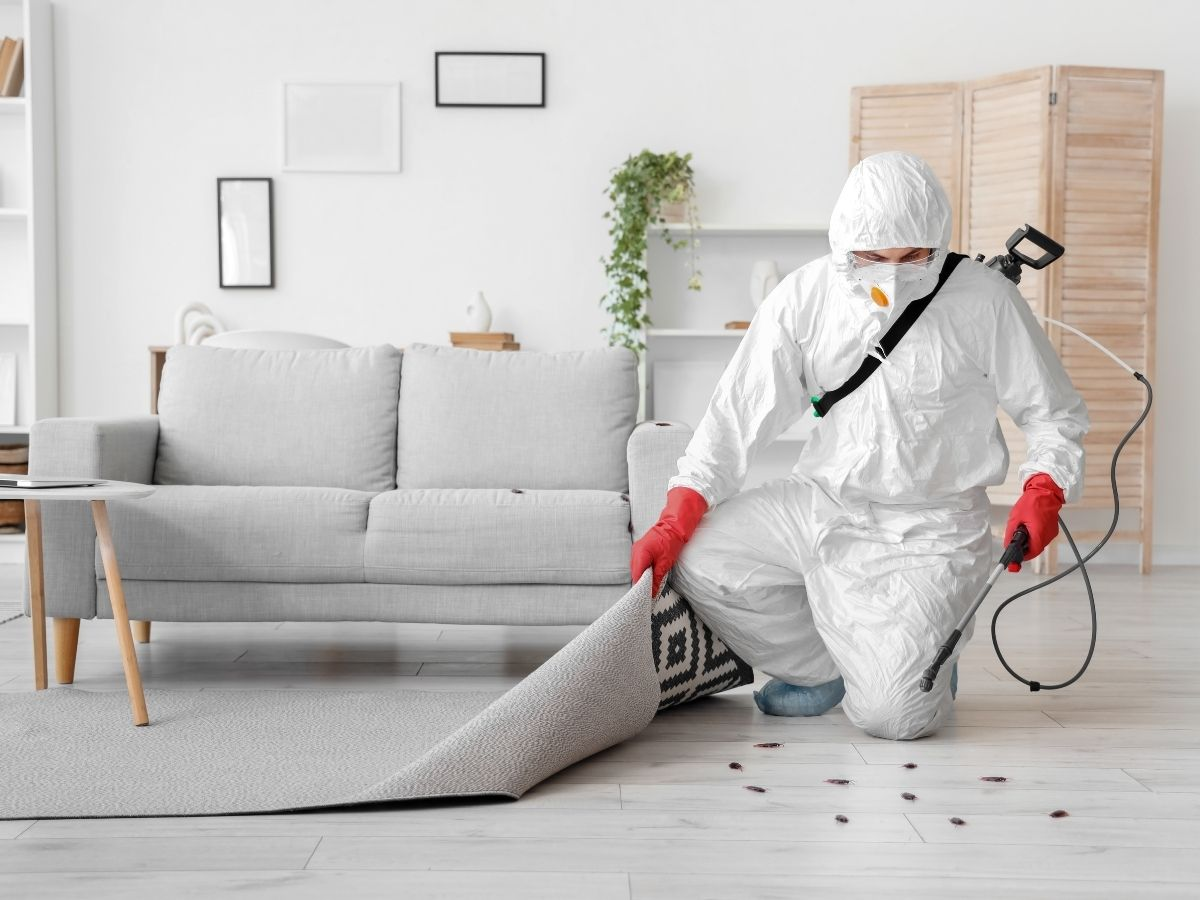
A clean and comfortable home is something every homeowner wants, but keeping unwanted pests away requires more than occasional cleaning. Ants, cockroaches, spiders, rodents, mosquitoes, termites, and other pests can find their way into properties when they discover food, water, shelter, or easy access.
The good news is that many pest problems can be reduced with simple habits and regular property maintenance. By understanding what attracts pests and taking action before an infestation becomes serious, homeowners can create an environment that is less welcoming to unwanted visitors.
Effective Pest Control is not only about treating pests after they appear. Prevention plays an equally important role. Keeping food secure, managing moisture, sealing entry points, maintaining outdoor areas, and checking the property regularly can all help protect a home.
Why Pest Prevention Matters
Pests are often easier to manage when they are discovered early. A few ants in the kitchen may seem insignificant, but repeated activity could indicate that a colony is nearby. A scratching sound in the ceiling might be an early sign of rodents, while damaged timber could indicate a problem that requires further investigation.
Waiting until an infestation becomes obvious can make the situation more difficult to manage. Some pests are particularly good at hiding, meaning they may remain unnoticed while their population grows.
Prevention gives homeowners an opportunity to deal with conditions that attract pests before they become a major concern.
A pest-resistant home is generally one where food is stored properly, moisture is controlled, rubbish is managed, and potential entry points are maintained.
What Attracts Pests to a Home?
Before discussing prevention, it helps to understand why pests enter properties in the first place.
Most household pests are looking for four basic things:
- Food
- Water
- Shelter
- A suitable place to reproduce
Food crumbs, uncovered rubbish, pet food, leaking taps, standing water, clutter, garden waste, and structural gaps can all provide opportunities.
Even a well-maintained home may experience occasional pest activity. The goal is not necessarily to make a property completely inaccessible to every insect or animal, but to reduce the conditions that encourage pests to stay and multiply.
Keep Food Properly Stored
Food is one of the biggest attractions for household pests.
Ants and cockroaches can detect food particles that may be difficult for people to notice. Rodents may also be attracted to easily accessible pantry items, pet food, and rubbish.
A few simple habits can make a difference.
Store dry foods in sealed containers rather than leaving opened packets exposed. Clean kitchen surfaces after preparing meals and wipe up spills as soon as possible.
Pay particular attention to sweet foods, crumbs, grease, and food particles around appliances.
Pet food should also be managed carefully. If food is left available for long periods, it can attract insects and rodents.
Regularly check cupboards and pantry shelves for damaged packaging or signs of pest activity. Keeping storage areas organised makes unusual activity easier to spot.
Keep the Kitchen Clean
The kitchen is one of the most attractive areas of a home for pests because it provides food, moisture, and warmth.
Cleaning does not guarantee that pests will never appear, but it can reduce available food sources.
Wipe benches and tables regularly, clean under appliances when possible, sweep floors, and empty rubbish before it begins to accumulate.
Do not forget less obvious areas. Food particles can collect beneath refrigerators, ovens, cupboards, and other appliances.
A clean kitchen also makes it easier to notice warning signs such as ant trails, cockroach droppings, damaged packaging, or unusual smells.
Control Moisture Around the Property
Water is another major factor that can attract pests.
Leaking taps, dripping pipes, blocked drains, damp areas, and standing water can create favourable conditions for insects and other pests.
Check kitchens, bathrooms, laundry areas, garages, and outdoor spaces regularly for moisture problems.
Repair leaking taps and pipes promptly. Make sure water drains away properly from outdoor areas, and investigate areas that remain damp for long periods.
Gutters should also be kept clear so that rainwater does not remain trapped.
Controlling moisture is especially important around outdoor areas because standing water can provide breeding opportunities for mosquitoes.
Remove Standing Water
You do not need a large pond to create a mosquito problem. Small amounts of water can collect in many ordinary household items.
Check plant saucers, buckets, toys, containers, blocked gutters, old equipment, and other outdoor objects after rainfall.
Empty water where appropriate and store containers so they do not collect rain.
Regular garden inspections are particularly useful during warmer weather when mosquito activity may increase.
Reducing standing water is a straightforward preventative measure and should be part of normal outdoor maintenance.
Seal Gaps and Entry Points
Many pests do not need a large opening to enter a property.
Ants and insects can use tiny cracks, while rodents may take advantage of gaps around doors, pipes, vents, roof areas, and other openings.
Walk around the outside of your property and look carefully at areas where different materials meet.
Check:
- Door frames
- Window frames
- Utility openings
- Pipe entry points
- Roof areas
- Vents
- Damaged screens
- Cracks around walls
- Gaps beneath doors
Repair damaged screens and seal suitable gaps where possible.
Pay particular attention to areas that show signs of previous pest activity. If pests have already used an opening, it may continue to be an access route.
Keep Your Garden Under Control
The condition of the garden can influence pest activity around a property.
Overgrown vegetation can provide shelter for insects and other pests. Branches touching roofs or walls may also create convenient routes toward the building.
Keep plants and shrubs appropriately trimmed and avoid allowing vegetation to remain directly against external walls.
Garden waste should also be managed properly. Large piles of leaves, timber, cardboard, and other materials can create sheltered areas where pests may hide.
Keeping the area around the home clean and accessible makes regular inspections easier.
Manage Rubbish Properly
Household waste can quickly become a food source for pests.
Use rubbish bins with suitable lids and avoid allowing food waste to remain exposed. Clean bins periodically, particularly if they contain food waste.
Outdoor rubbish areas should also be kept tidy.
If rubbish is stored close to the home, make sure containers are secure and positioned appropriately. Avoid allowing waste, old boxes, or unwanted materials to accumulate around walls and entrances.
Good waste management can reduce the food and shelter available to pests.
Reduce Clutter Inside the Home
Clutter gives pests more places to hide.
Garages, sheds, roof spaces, cupboards, storage rooms, and other areas can become difficult to inspect when boxes and unused items are piled up.
Keep stored belongings organised and avoid leaving unnecessary materials on floors or against walls.
Cardboard boxes can also provide sheltered areas for insects, particularly when stored for long periods in dark or damp conditions.
An organised storage area makes it easier to spot droppings, webs, damaged materials, and other signs of pest activity.
Inspect Your Home Regularly
One of the simplest ways to improve pest prevention is to make inspections part of your normal home maintenance routine.
You do not necessarily need to conduct a complicated inspection every week. Instead, pay attention to areas where pests are most likely to appear.
Look for:
- Droppings
- Chewed materials
- Damaged packaging
- Ant trails
- Spider webs
- Unusual smells
- Scratching sounds
- Damaged timber
- Insect wings or skins
- Moisture problems
Early signs are worth investigating, particularly if they appear repeatedly.
Think About Seasonal Pest Activity
Different pests can become more noticeable at different times of the year.
During warmer months, ants, mosquitoes, cockroaches, and other insects may become more active. This makes food storage, garden maintenance, and standing-water prevention especially important.
As temperatures fall, rodents and other pests may look for warmer, sheltered areas inside buildings.
Seasonal maintenance can therefore be useful. Before warmer weather arrives, inspect outdoor areas and remove potential breeding or hiding locations. Before colder conditions arrive, check the exterior of the property for gaps and openings.
Do Not Ignore Early Warning Signs
Homeowners sometimes ignore small signs because they assume the problem will disappear naturally.
That can be risky when pest activity is repeated.
Seeing one insect does not necessarily mean you have an infestation. However, seeing pests regularly, finding several signs in different locations, or noticing property damage deserves more attention.
The earlier a potential problem is investigated, the easier it may be to understand what is happening.
DIY Prevention Versus Professional Help
Many preventative measures can be handled by homeowners. Cleaning, food storage, rubbish management, garden maintenance, and sealing suitable gaps are all useful steps.
However, prevention and treatment are not always the same thing.
If pests are already established inside a property, simply cleaning the area may not remove the source. A visible trail of ants could lead to a larger colony, while occasional rodent sightings could indicate activity inside a roof or wall space.
Homeowners should also be careful when using pesticides. Products should always be used according to their instructions, and unnecessary applications should be avoided.
When a problem keeps returning, professional assessment can help identify the underlying cause and determine an appropriate solution.
When Should You Consider Professional Pest Control?
Professional assistance may be appropriate if:
- Pest activity continues despite preventative measures.
- You repeatedly see insects or rodents inside.
- You suspect termites.
- You discover unexplained timber damage.
- Rodents are active in ceilings or walls.
- You cannot identify the pest.
- An infestation appears to be spreading.
- DIY treatments only provide temporary results.
- You want a professional inspection of your property.
A professional can inspect the property, identify areas of activity, and recommend suitable treatment and prevention measures.
For homeowners looking for professional Pest Control services, provides pest management services and information for residential properties.
Build a Simple Pest Prevention Routine
You do not need to spend every weekend inspecting your entire home. A simple routine can make prevention much easier.
Once a week, pay attention to kitchen cleanliness, rubbish, food storage, and obvious moisture problems.
Each month, inspect storage areas, garages, outdoor spaces, doors, windows, and potential entry points.
After heavy rain or during warmer weather, check for standing water and increased insect activity.
These small habits can help identify changes before they develop into larger problems.
A Cleaner Home Is a Better-Prepared Home
Pest prevention is not about achieving perfection. Even well-maintained properties can occasionally experience pest activity.
The goal is to make the property less attractive to pests and respond quickly when warning signs appear.
A clean kitchen, dry environment, organised storage, maintained garden, secure rubbish, and properly sealed entry points can all contribute to better protection.
When these habits are combined with regular inspections and professional assistance when necessary, homeowners can significantly improve their approach to pest management.
Conclusion
Keeping a home clean and safe from unwanted pests requires consistent attention, but many preventative steps are simple.
Store food securely, clean spills promptly, manage rubbish, repair leaks, remove standing water, maintain gardens, reduce clutter, and check the property for potential entry points.
Most importantly, do not ignore repeated signs of pest activity. Small problems can sometimes become much harder to manage when they are left unchecked.
Effective Pest Control is a combination of prevention, awareness, early action, and appropriate professional treatment when required. By making pest prevention part of regular home maintenance, homeowners can create a more comfortable environment and reduce the likelihood of serious infestations.
A little attention today can help prevent a much bigger pest problem tomorrow.