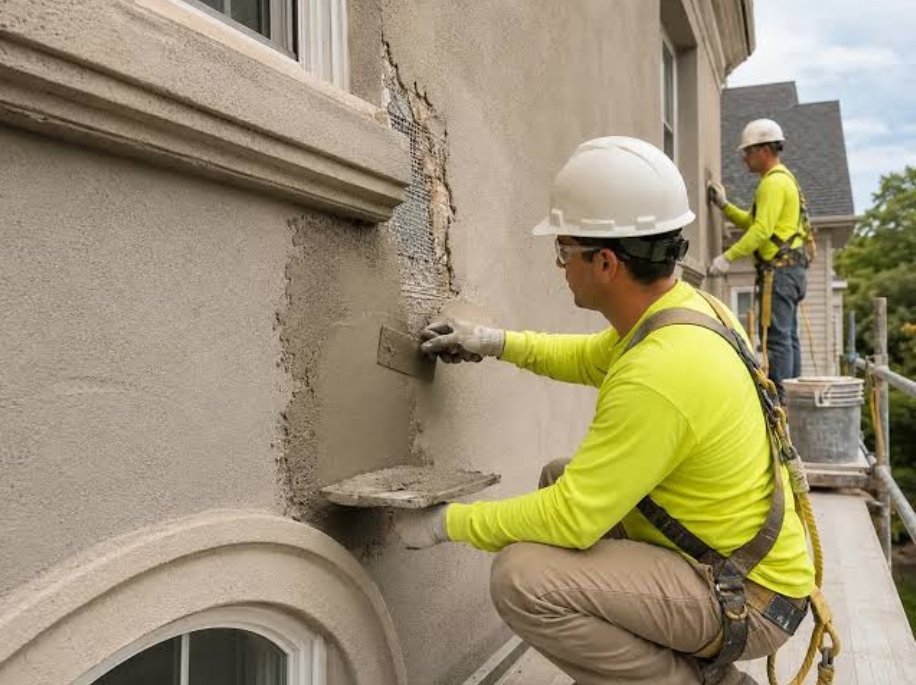
A building’s exterior serves as its first line of defense against rain, snow, wind, humidity, sunlight, and changing temperatures. In Jersey City, these environmental conditions can gradually affect roofs, masonry, facades, windows, foundations, and other exterior components. Small issues can become expensive repairs when they are overlooked for too long. Understanding common exterior building problems and addressing them early can help property owners protect their investment and maintain a safe, attractive property. Professional Jersey City Exterior Repair can provide the specialized solutions needed when damage becomes noticeable.
Cracked Masonry and Mortar
Cracks in brick, stone, concrete, or mortar joints are common exterior concerns. Minor cracks may result from normal aging and seasonal movement, while larger or expanding cracks can indicate moisture intrusion, settlement, or structural movement.
Property owners should regularly inspect exterior walls for new cracks or changes in existing ones. Damaged mortar may sometimes be repaired through repointing, while severely deteriorated masonry units may require replacement. Professional evaluation can help determine the underlying cause before the problem becomes more serious.
Water Intrusion and Moisture Damage
Water is one of the biggest threats to exterior building materials. Rainwater can enter through cracks, damaged flashing, deteriorated mortar, faulty sealants, or poorly maintained drainage systems. Once inside the building envelope, moisture can damage insulation, framing, drywall, and other interior components.
Signs of water intrusion may include stains, peeling paint, damp walls, musty odors, or deteriorating exterior materials. Identifying and repairing the source of moisture is essential. Waterproofing, sealant replacement, masonry repairs, and drainage improvements may all play a role in protecting the property.
Damaged or Deteriorating Siding
Siding can become cracked, warped, loose, faded, or damaged because of weather exposure and age. Damaged siding may allow water to reach the underlying wall structure, potentially creating more extensive problems.
Property owners should inspect siding after severe storms and periodically check for visible deterioration. Minor damage may be repaired by replacing individual sections, while widespread deterioration may require more extensive replacement. Choosing materials appropriate for the property’s design and local conditions can improve long-term performance.
Roof and Flashing Problems
The roof is a critical part of a building’s exterior protection. Missing shingles, damaged roofing membranes, cracked flashing, clogged drainage systems, and deteriorated seals can all increase the risk of water intrusion.
Regular roof inspections can help identify problems before leaks develop. Property owners should pay particular attention to areas around chimneys, vents, skylights, roof edges, and other transitions. Prompt repairs can prevent roofing problems from affecting ceilings, walls, insulation, and structural components.
Damaged Windows and Doors
Windows and exterior doors can develop problems such as cracked frames, failed seals, damaged weatherstripping, or deteriorated surrounding masonry. These issues can allow water and outside air to enter the building.
Drafts, condensation, visible gaps, or water stains around windows and doors should be investigated. Depending on the condition, repairs may involve replacing seals, repairing surrounding masonry, improving flashing, or replacing the entire window or door unit.
Foundation and Concrete Damage
Foundation walls, concrete steps, walkways, retaining walls, and other concrete surfaces can develop cracks, spalling, or surface deterioration. Water exposure, freeze-thaw cycles, soil movement, and normal aging can contribute to these problems.
Not every crack requires major structural work, but significant or expanding cracks should be professionally evaluated. Addressing foundation and concrete problems early can help reduce moisture intrusion and prevent further deterioration.
Poor Drainage and Gutter Problems
Exterior building damage is often connected to poor water management. Clogged gutters, damaged downspouts, inadequate grading, and blocked drains can cause water to collect around walls and foundations.
Property owners should keep gutters and drainage channels clear and make sure downspouts direct water away from the building. Improving drainage can reduce moisture exposure and protect masonry, foundations, landscaping, and other exterior components.
Peeling Paint and Surface Deterioration
Peeling, bubbling, or cracking paint can make a building appear neglected, but it may also indicate an underlying moisture problem. Paint can deteriorate because of prolonged exposure to sunlight, humidity, rain, or water trapped beneath the surface.
Simply repainting the affected area may not solve the problem if moisture is entering behind the coating. The surface should be inspected and the underlying cause addressed before new paint is applied.
Corrosion and Metal Damage
Metal elements such as railings, flashing, fasteners, balconies, and exterior fixtures can develop rust or corrosion. If corrosion is allowed to progress, it can weaken the affected component and potentially damage surrounding materials.
Regular inspections can identify early signs of rust and deterioration. Cleaning, protective coatings, component replacement, and appropriate repairs can help extend the life of exterior metal features.
When to Schedule Exterior Repairs
Property owners should not wait until exterior damage becomes severe before seeking professional assistance. Warning signs such as expanding cracks, recurring leaks, loose masonry, sagging materials, extensive water stains, or structural movement deserve prompt attention.
Professional Jersey City Exterior Repair can address individual problems while also helping identify related issues that may not be immediately visible. A comprehensive inspection can provide a clearer picture of the building’s overall exterior condition.
Benefits of Preventive Exterior Maintenance
Routine exterior maintenance can help property owners avoid unexpected repair expenses. Regular inspections make it easier to identify small problems before they spread, while cleaning and drainage maintenance can reduce exposure to damaging moisture.
Preventive care can also preserve curb appeal and help maintain property value. For commercial buildings, a well-maintained exterior can create a more professional appearance for tenants, customers, and visitors.
Conclusion
Jersey City buildings can experience a variety of exterior problems caused by weather, moisture, aging, and everyday environmental exposure. Cracked masonry, water intrusion, damaged siding, roof issues, deteriorating windows, foundation concerns, poor drainage, peeling paint, and metal corrosion should all receive appropriate attention. Early detection and professional maintenance can help prevent minor defects from becoming major building problems. When repairs are necessary, reliable Jersey City Exterior Repair can help restore exterior surfaces, improve protection, and support the property’s long-term condition.