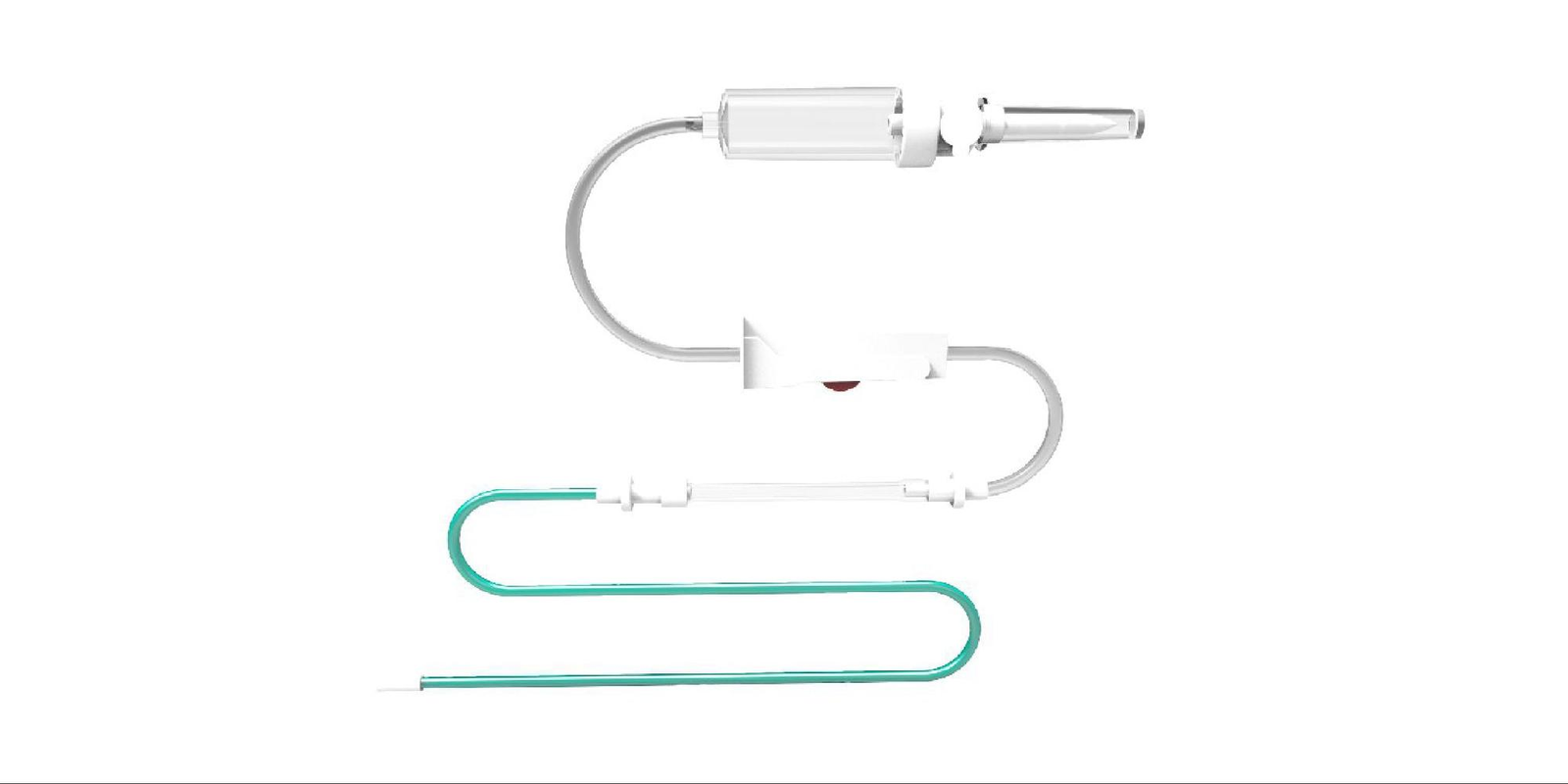
In every implant placement, bone cutting, or endodontic procedure, the flow of coolant between the handpiece and the surgical site is doing quiet but critical work. A steady, sterile stream keeps the drill bur cool, clears the field of debris, and protects the surrounding tissue from thermal damage. The device that carries this stream is the irrigation tube, and its quality is often taken for granted until a kink or a contaminant reminds the clinician just how much depends on it. Dental practitioners, oral surgeons, and dental assistants who set up daily surgical trays understand the frustration of a tube that leaks, collapses, or fails to seat properly on a handpiece connector. This guide walks through the practical selection criteria for surgical coolant tubing, explains how material, sterility, and compatibility interact, and offers a step-by-step approach that lets busy clinics standardize procurement without sacrificing patient safety.
What an Irrigation Tube Actually Does During Surgery
Every rotary or ultrasonic instrument used in modern dentistry generates heat and friction. Without an active cooling channel, temperatures at the bur tip rise quickly enough to cause necrosis at the bone interface, which in implant work translates directly into failed osseointegration. The irrigation tube is the delivery conduit that connects a peristaltic pump or saline bag to the surgical handpiece, feeding sterile saline exactly where it is needed. Beyond cooling, the flow also flushes bone chips and blood from the osteotomy so the surgeon can visualize the depth of the drill in real time. A tube that pulses, restricts flow, or delivers uneven pressure disrupts this visual feedback loop and forces the operator to compensate mid-procedure, which is neither safe nor efficient.
Flow Consistency and Diameter
Internal diameter has a direct effect on flow rate at a given pump setting. Tubes that are too narrow slow the coolant enough to compromise cooling, while overly wide tubes waste saline and can splatter the field. Most implant motors are calibrated for a specific inner diameter, typically in the 2 to 3 millimeter range, and clinics should confirm this before switching brands. Wall thickness matters too, because thin walls collapse under peristaltic pressure and thick walls resist the rollers, both of which introduce pulsation.
Materials and Sterility Standards Worth Verifying
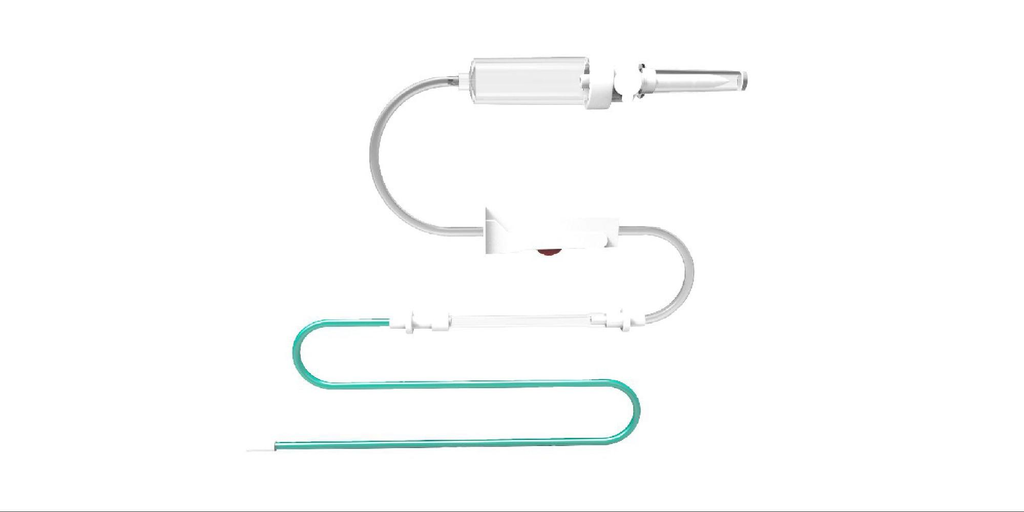
Medical-grade PVC and silicone dominate the market, and each has trade-offs. PVC is more affordable and holds its shape well, making it a common choice for single-use disposable sets. Silicone offers superior flexibility and biocompatibility and tends to age better under repeated sterilization, though most surgical tubing is designed for single use regardless of the material. Whichever polymer a clinic prefers, the priority is verifying that the product ships sterile, is individually pouched, and carries clear lot numbers and expiration dates. Ethylene oxide and gamma sterilization are both acceptable, but the packaging should confirm the method and integrity indicator.
Compatibility with Common Motor Systems
One of the most common purchasing errors is ordering tubing based on generic length without checking connector geometry. Peristaltic pumps from different manufacturers use slightly different cassette shapes, and a mismatched clamp position will either fail to advance saline or crush the tube. Before placing a bulk order, verify three things: the pump model, the handpiece coupling type, and the length required to reach comfortably from the pole-mounted bag to the operator’s working position. A dry test with saline confirms flow before the tube ever enters a sterile field.
Handling, Storage, and Waste Reduction
Even the best tubing performs poorly if stored badly. Coiled tubes left in direct sunlight or near heat sources can develop micro-fractures in the polymer wall, and stacking heavy items on cartons deforms the internal lumen. Store cartons flat, away from radiators and windows, and rotate stock by expiration date. Some clinics have reduced waste significantly by right-sizing their order quantities to actual monthly case volume rather than buying in bulk to chase discounts that expire before the tubing does. Plovio has focused on producing surgical coolant tubing with consistent lumen tolerance and clear labeling to make this rotation easier for procurement staff.
Field Setup Steps That Prevent Common Failures
The tube itself is only part of the equation. Careless setup is responsible for a surprising share of intraoperative flow problems. A simple routine can eliminate most of them, and it takes under a minute if the team practices it. First, inspect the pouch for breach and confirm the expiration date is valid. Second, load the cassette segment into the pump so the rollers grip the correct section, not the terminal spike or connector. Third, prime the line with saline until a steady drip exits the handpiece nozzle before the drill ever touches tissue. Skipping the prime is the single most frequent reason for a dry first cut.
Cost Considerations Without Compromising Safety
Price per unit is a tempting metric, but the true cost of surgical tubing includes waste from rejected pouches, downtime from mid-procedure failures, and the risk premium of using an unfamiliar brand on a high-stakes case. Clinics that track these hidden costs often find that a mid-tier product with reliable quality control beats the cheapest option once returns and reorders are counted. Ask suppliers for batch consistency data, request samples before switching, and consider a small parallel trial where a new brand is used on routine cases before it enters the implant rotation. Purchasing decisions made this way tend to hold up over time, and the clinical team gains confidence that their coolant delivery will not be the variable that goes wrong.
Putting Coolant Delivery on Solid Ground
Choosing a surgical coolant tube is less glamorous than choosing a new implant motor or a fresh set of burs, but it sits at the intersection of thermal safety, procedural visibility, and infection control. A tube that fits the pump correctly, delivers a steady stream, and comes packaged with credible sterility documentation removes a whole category of intraoperative frustration. By combining thoughtful selection with disciplined storage and a rehearsed setup routine, dental teams give themselves the freedom to focus on the procedure rather than on the plumbing. Standardizing around a trusted supplier such as Plovio, verifying pump compatibility before every reorder, and training staff to prime and inspect each line will keep this small but essential component from becoming a source of avoidable risk in the operatory.