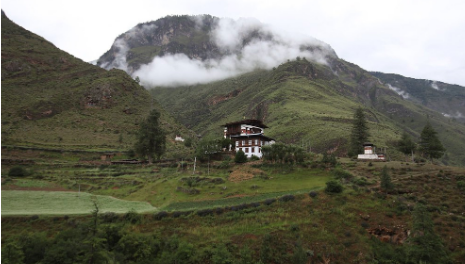
If you are planning a Nepal Bhutan tour, you are heading into one of the most visually rich parts of the world. Ancient monasteries, mountain ranges that seem to go on forever, prayer flags moving in the wind, and the quiet dignity of local life all come together in ways that are genuinely hard to find anywhere else. For anyone who loves photography, this combination of two very different countries in one trip is a rare opportunity.
This guide walks you through the top shots you should look for on a Nepal Bhutan tour, along with practical advice on timing, light, and approach. Whether you shoot with a professional camera or a smartphone, the locations and moments in this guide will give your travel photography real depth and meaning.
Nepal: Kathmandu and the Living Heritage of the Valley
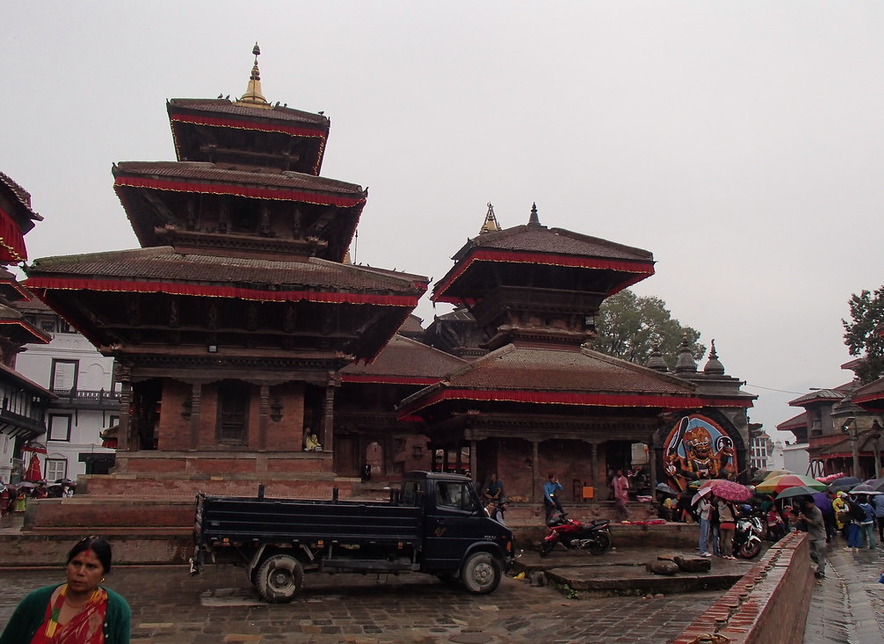
Most Nepal Bhutan tours begin in Kathmandu, and the city rewards photographers who are willing to wake up early and walk slowly. The old town areas of Thamel, Asan, and Indra Chowk come alive in the early morning hours when light is soft and locals are going about their routines without paying much attention to visitors.
Pashupatinath Temple at Dawn
Arriving at Pashupatinath temple before sunrise gives you access to some of the most powerful images available in Kathmandu. Sadhus in orange robes, devotees performing rituals along the Bagmati river, and the thick smoke from cremation pyres rising against the early sky create a scene that is deeply human and deeply moving. Keep your camera settings ready for low light and shoot wide to capture the full scale of the ghats. Respectful distance matters here. A longer lens lets you photograph people without intruding on private moments.
Boudhanath Stupa: Circles of Light and Color
Boudhanath is one of the largest Buddhist stupas in the world and one of the most photogenic. The best time to visit is early morning when monks circle the stupa in quiet prayer and butter lamps are lit inside the surrounding shrines. The eyes of the Buddha painted on the four sides of the stupa make for a strong close-up, and the wide circular plaza gives you excellent opportunities for wide-angle shots that show the scale of the structure against the sky.
In the evening, the stupa is lit with warm light and the atmosphere becomes more social and lively. Both times of day give very different photographs and both are worth visiting.
Swayambhunath: The Hilltop View Over Kathmandu
Climbing up to Swayambhunath, often called the Monkey Temple, before sunrise gives you one of the finest elevated views over the Kathmandu Valley. As the city below slowly fills with morning mist and the first light touches the hilltops, the mixture of cloud, city, and mountains in the distance creates a layered image that is very satisfying to compose. The monkeys that give the temple its name are also active in the early morning and make for lively and entertaining subjects.
Nagarkot and the Mountain Horizon
If your Nepal Bhutan tour includes a morning at Nagarkot, you will have the chance to photograph the Himalayan range from a high ridge with an open eastern horizon. On a clear day, the view stretches from Dhaulagiri in the west to Kanchenjunga in the east, with Everest visible to the southeast. Sunrise here is excellent material for long-exposure landscape photography. Bring a tripod, arrive at least thirty minutes before sunrise, and be patient. The light changes fast and the best color often lasts only three to five minutes.
Bhutan: A Country That Looks Like a Painting
The transition from Nepal to Bhutan on a combined Nepal Bhutan tour is striking. Bhutan feels quieter, more preserved, and visually very consistent. Traditional architecture is maintained by law, the national dress is worn in official settings, and the natural landscape is largely intact. For photographers, this creates a country where almost every scene is clean, composed, and free of the visual clutter that affects many other destinations.
Paro Taktsang: The Cliff Monastery That Stops You in Your Tracks
Paro Taktsang, commonly known as the Tiger’s Nest, is the photograph most people associate with Bhutan. The monastery clings to a cliff face more than 900 meters above the Paro Valley floor and appears almost impossible where it sits. The standard viewpoint for photography is a rest point partway up the trail, where a teahouse gives you a full face-on view of the monastery across a small gorge.
Morning light hits the monastery face-on and gives you clean, well-lit images. Afternoon brings the cliff into shadow and shifts the mood considerably. Both are worth shooting if you have the time. A small waterfall falls into the gorge between the viewpoint and the monastery and adds a natural foreground element when the water is flowing well.
Punakha Dzong: Water, Architecture, and Open Sky
Punakha Dzong sits at the meeting point of two rivers and is considered one of the most beautiful dzongs in Bhutan. The whitewashed walls, the golden roof details, and the surrounding water make it a strong architectural subject from almost any angle. The wooden cantilever bridge leading to the dzong entrance is also worth shooting, particularly when local people or monks are crossing.
Early morning before the tourist groups arrive gives you the cleanest shots of the exterior. The light is soft, reflections in the river are calm, and the surrounding trees frame the structure naturally. If you visit during the Punakha Tshechu festival, the courtyard inside fills with masked dancers in elaborate costumes and the photography opportunities multiply considerably.
Dochula Pass: Prayer Flags and Mountain Silence
The Dochula Pass at 3,100 meters is one of the most photographed locations on the road between Thimphu and Punakha. On a clear day, over thirty Himalayan peaks are visible from the pass, and the foreground is filled with 108 memorial chortens and thousands of prayer flags. The flags in the wind against the blue sky and snow peaks behind make for a composition that is hard to get wrong.
The pass is clearest in the early morning before clouds build up from the valley. Winter months from November through February give the best mountain views. Even on a cloudy day, the mist moving through the prayer flags creates a soft, atmospheric image that has its own appeal.
People Photography: The Heart of Both Countries
Some of the most meaningful images from a Nepal Bhutan tour are portraits. The faces of monks, farmers, shopkeepers, and children carry stories that landscapes cannot always tell. A few simple guidelines make people photography more rewarding for everyone involved.
Always ask permission before photographing someone up close, especially elderly people and children. A smile and a gesture toward your camera is usually enough to open a conversation. In Bhutan in particular, people often appreciate being shown the image on your screen after you take it, and this small gesture builds goodwill quickly.
In markets, temples, and festivals, candid shots from a modest distance work well. You catch natural expressions and genuine moments without interrupting what is happening. A 50mm or 85mm lens gives you enough reach to photograph people naturally while staying close enough to feel connected to the scene.
Practical Tips for Photographing on a Nepal Bhutan Tour
Golden hour matters more than people expect. The hour after sunrise and the hour before sunset transform ordinary scenes into something genuinely good. Plan your key locations around this light whenever possible. Midday light is harsh and flat in both countries, and midday is often better used for travel, meals, and rest.
Weather is variable in both Nepal and Bhutan, particularly during the monsoon months from June through September. Clouds can descend very fast and mountain views disappear quickly. October, November, March, and April are the clearest months overall and give the best conditions for landscape photography.
Carry more storage and battery capacity than you think you will need. Days in Bhutan in particular can be long and full, and charging opportunities are not always available when you need them most. A small portable battery bank is worth including in your camera bag.
Finally, do not let the camera become a barrier between you and the place. Some of the best moments on any trip happen when you are fully present rather than looking through a viewfinder. Put the camera down sometimes, take in the scene, and let the memory settle in its own way. Those moments often make the photographs you do take feel more honest when you look back at them.
Final Thoughts
A Nepal Bhutan tour photography experience is one of the most rewarding any travel photographer can have. Two countries, two very different visual languages, and an enormous range of subjects from towering peaks to ancient temples to quiet village life all within a single journey. The shots in this guide are a starting point. The best photographs you bring home will likely be the ones you did not plan, the ones that simply appeared because you were paying attention.
Go with a plan, stay flexible, and let both countries show you what they want to share.