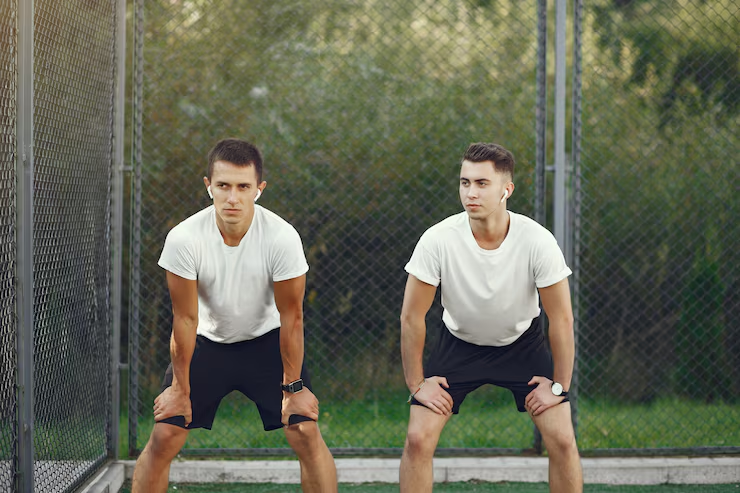
Workout shorts seem like a simple category until you’re mid-workout dealing with a waistband that won’t stay put, fabric that chafes, or a length that restricts your range of motion during squats or lunges. Patriotic workout shorts have become popular not just for the bold designs, but because a lot of them are genuinely built with serious training in mind.
Here’s what actually matters when choosing a pair, beyond just the print on the fabric.
It’s easy to underestimate how much a poorly designed pair of shorts can disrupt a workout, whether that’s constantly adjusting a waistband mid-set or dealing with fabric that bunches up during a squat. Getting the fundamentals right up front saves a lot of frustration down the line.
Length and Range of Motion
Shorter inseams generally allow for a greater range of motion, which matters during exercises like lunges, box jumps, or anything involving a deep hip hinge. Longer inseams offer more coverage and can feel more versatile for everyday wear, but may restrict movement slightly during high-intensity training.
Many training-focused brands now offer the same shorts in multiple inseam lengths specifically so buyers can choose based on their training style rather than being locked into one cut.
Fabric and Liner Considerations
A built-in liner adds support and eliminates the need for separate compression shorts underneath, which is a meaningful convenience for anyone training regularly. Look for moisture-wicking fabric blends that dry quickly, since workout shorts see heavy sweat exposure and need to hold up to frequent washing without breaking down.
Stretch fabric, whether through a mesh construction or a woven blend with added elasticity, also plays a big role in comfort during dynamic movement — a rigid, non-stretch fabric will fight against you during anything beyond basic cardio.
Pockets and Practical Features
Secure pockets — whether zippered or snug enough to hold a phone during movement — are a small detail that makes a big difference in daily usability. Drawstring waistbands with a comfortable, non-slip fit round out the practical features worth prioritizing, especially for anyone who trains outdoors or needs to carry a phone or keys without a bag.
Matching Shorts to Your Training Style
Someone focused primarily on weightlifting has different needs than someone training for endurance or doing mixed-modality workouts. Lifters often prefer a slightly longer inseam with more structure, while runners and CrossFit-style athletes tend to favor shorter, more flexible cuts that won’t restrict movement during high-rep or high-speed work.
Owning a couple of different styles, rather than trying to find one pair that does everything perfectly, is usually the more practical approach for anyone training across multiple disciplines throughout the week. It’s a small investment that pays off every time you’re not fighting your own gear mid-workout.
Conclusion
The right pair of shorts should disappear into the background of your workout, not distract from it. If you’re due for an upgrade, browse a full range of patriotic workout shorts built specifically with training performance in mind.