Introduction
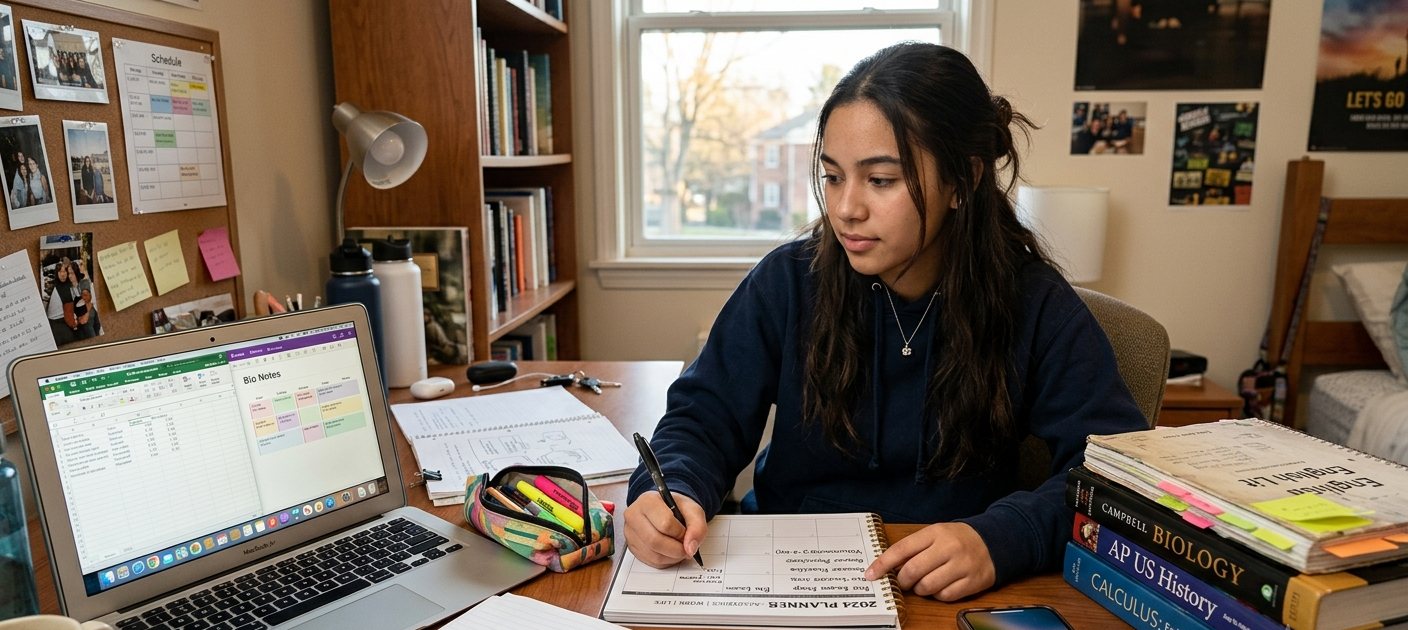
One of the greatest difficulties for students is balancing school, work and personal life, particularly for students who have more than one responsibility vying for their attention. It is expected of many students that they should attend classes, complete their homework, study for tests, work part-time, take care of family duties and have time to rest, make friends, do hobbies and grow.
If not managed, these tasks can quickly become overwhelming and cause stress, burnout, and lower productivity. But it’s not all or nothing; balance can be achieved at any time. It involves knowing priorities, establishing realistic systems and making intentional decisions on the use of time and energy. As long as they do what is right, they can achieve good results in school and remain mentally healthy and in good physical shape.
Knowing the significance of balance.
It is important to strike a balance between schoolwork, work obligations and free time, as all of these factors impact on one another. If students only think about going to school or only think about their work, they could get burned out, lose interest and have poor relationships with others. However, neglecting studies or job obligations can lead to further burden and issues.
Balance helps students focus on the things that are important to them in their lives without getting them taken over by one thing. It makes them more organised, confident and ready for challenges. A balanced lifestyle would also benefit in improving concentration as students who take the time to rest, relax and engage in personal activities tend to return to their work with a renewed sense of focus and energy.
Develop a realistic schedule that takes your responsibilities into account.
A good way to organize various aspects of life is to have a realistic time schedule that incorporates academic work, work responsibilities, personal activities, and time for rest. Many students make rigid and unattainable plans, with little time allowed for the unexpected or for rest. Important deadlines, class hours, work hours and family obligations, as well as personal needs, should all be taken into account when you create a useful schedule.
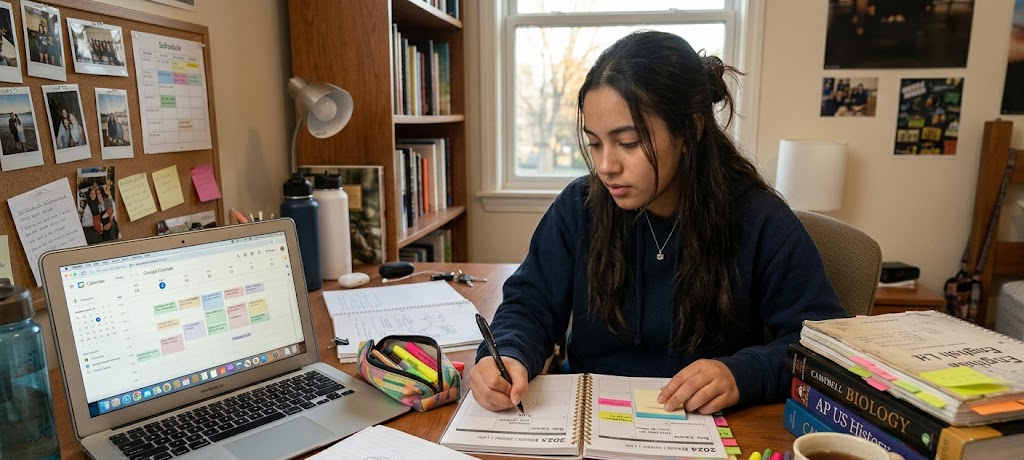
Pupils should break their time into smaller chunks and set aside time to study, do homework, work, exercise and rest. Having a planner or using a digital calendar or basic weekly schedule can help students make commitments present and avoid last minute pressure. A realistic schedule is not one in which you are working up every minute of the day, it’s a schedule that is organized for productivity and gives you the time to take care of yourself.
Employ effective time management techniques
It is very important for students who have to manage multiple responsibilities at once to develop effective time management skills. By learning how to organize the tasks, prioritize, avoid distractions and effectively utilize the limited time, feelings of stress and confusion can be minimized. Students will be able to discuss these practical time management strategies for students about how they can be more effective at managing their academic workload along with other obligations.
These strategies could be splitting large assignments into smaller assignments, setting goals for study time, employing productivity skills, or determining what activities consume too much valuable study time. But good time management doesn’t involve working around the clock – it’s about choosing where to spend time. Once students have these habits, they will be able to accomplish tasks at a more efficient pace and have time to relax and play.
Focus on tasks that are important and urgent
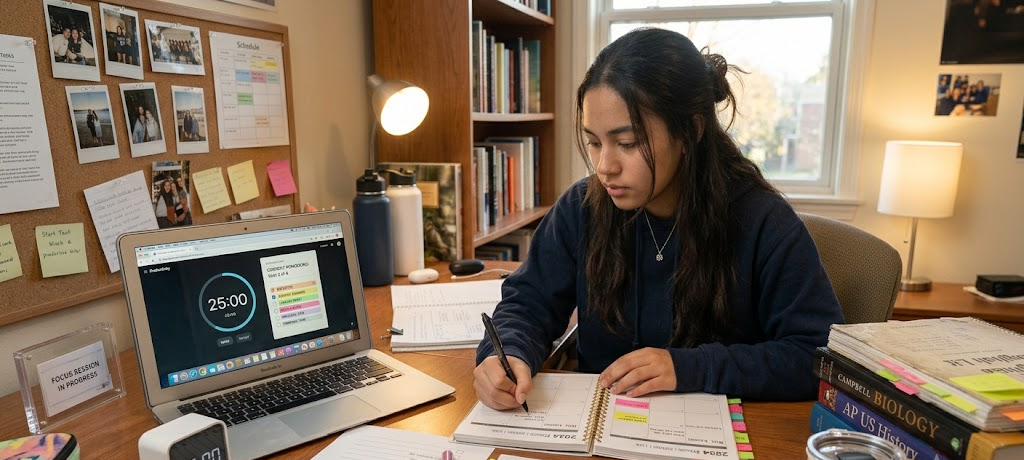
Students may feel overwhelmed as they see all responsibilities as urgent. But not all tasks need to be done now and it is important to learn how to prioritize in order to manage one’s time effectively. One useful method is to classify tasks (according to their value and deadlines) Assignments due soon, major exams and work responsibilities should be done before minor activities. There are ways for students to identify their priorities for the day, for example, by establishing daily priority lists, or grouping tasks into urgent, important, and optional activities.
This will minimize mental stress as students will know what they are expected to do first. Also, prioritizing eliminates procrastination because it makes it easier for the students to take action rather than get distracted by smaller tasks that give them a feeling of accomplishment but don’t help them accomplish their desired outcome.
Don’t multitask and concentrate on one task at a time
While many students think that multitasking can help them get more work done, it can distract them and cause stress by constantly switching between tasks. Attempting to study while simultaneously handling multiple tasks or responding to messages or handling personal issues while completing academic tasks can make it more difficult to do tasks effectively.
Rather, students need to get used to doing focused work, with set times set aside for each task. For instance, they can have a dedicated study area, disable distractions, and focus on completing one specific task before switching to a different task. This approach helps to ensure quality output while minimizing rework. Focusing helps students to do things more efficiently, allowing them to find more time to devote to other aspects of their life.
Establish healthy boundaries between school, work, and personal life.
It is important for students who juggle many things in their lives to have boundaries so that one area of their life does not completely overtake them. If students have part-time jobs, for instance, they might want to work out their study schedule, rather than letting their work time get in the way of school assignments. Likewise, students should not let schoolwork take up all of their opportunities to sleep, pursue hobbies, and maintain social interactions.
Establishing limits can include sharing times and dates with employers, teachers, family or friends. It also involves knowing how to decline further obligations that can cause undue pressure. Balanced boundaries enable students to manage time and energy, and fulfil key commitments. By honoring their personal limits, students are more productive and at less risk of fatigue from constant pressure.
Develop strategies to manage stress by self-care.
Self-care is also a key component to balance maintenance, as students will not be able to function effectively when physically and emotionally fatigued. Students so intent on getting things done that they neglect to pay attention to eating healthy foods, sleeping, getting exercise and relaxation. But, personal health care enhances concentration, memory, mood, and overall performance. It is important for students to carve out time in their day to refuel their batteries whether it is through reading, exercising, spending time with friends, engaging in hobbies or simply resting.
Stress management doesn’t involve dodging responsibilities, it’s about making a habit of students to deal with responsibilities in a better way. Incorporating self-care into the daily curriculum equips students with an increased capacity to be resilient and to handle academic, career, and personal challenges.

Break Large Goals into Smaller Achievable Steps
The goal setting process becomes difficult when students have a busy schedule and have large academic or personal goals. One good idea is to break big tasks into smaller ones. Students can set up smaller objectives to work on, like researching information, writing sections, reviewing information, and revising in a series of days rather than an entire project.
This way, responsibilities will not seem so daunting and it will help people feel good about making progress. It’s easy to see the progress students make and so the little successes are a boost to motivation and confidence. Using steps to break a goal down also promotes ongoing effort instead of being left to the last minute. Whatever the objective is, whether it’s to get good grades, advance in a career or improve oneself, making little things happen over and over will result in big things.
Take time to pursue relationships and interests
Academic and work commitments are significant but personal relationships and interests should not be forgotten. Emotional health and personal development is fostered through spending time with family, friendships and fun activities. When students eliminate activities they like, they may feel lonely or unmotivated in the long run. Hobbies, sports, music, creative activities, volunteering and other personal interests can offer opportunities for relaxation and self-expression.
These activities may also help students learn new skills and find what they love to do outside of school. Balance means understanding that success isn’t just about grades and accomplishments, it’s also about how successful you are in your personal life and relationships. Important relationships and interests provide opportunities for students to develop a well-rounded and enriching lifestyle.
Analyze Your Schedule and Make Any Adjustments Needed
It is important to realize that the same schedule that serves you well one time in your life may not be the right one at another time. Students should, throughout the year, review their schedules and make changes as schedules change. For instance, a suitable school week schedule may require alterations during exam periods, during busy seasons of the school year, or during significant family occasions. Students can learn what works and what doesn’t during their routine review.
Questions they can ask themselves include if they are working towards their goals, if they are getting rest, if they are spending enough time on important things, and if their habits are helping them achieve their goals. One of the most important elements of time management is to be flexible, as unpredictable events are an accepted part of life. Students who “play by the rules” can balance when things change.
Conclusion
With school and work and family life, planning, discipline and an understanding of limits are necessary to keep all three in balance. Students don’t have to do all the tasks perfectly to be successful, but they do need to have effective systems in place that allow them to make the best use of their time and to keep themselves safe and healthy.
Having realistic schedules, prioritizing tasks, avoiding distractions, setting boundaries and practicing self-care are powerful techniques for keeping stress down and improving productivity. Students can maintain a balance between school and their life outside of the classroom through a balanced lifestyle. Efficient management of time is not just about working more efficiently, but about making wise decisions to ensure successful outcomes, development, and a healthier way of managing responsibilities.