Introduction
Financing of higher education in Nigeria has seen an increase in recent years with respect to tuition and living costs also which in turn has put a strain on family budgets. Out of this, scholarships have emerged as the key solutions for which many students may apply to in order to avoid large scale financial stress. Also many students do not know the full extent of what is out there for them or how to present themselves as strong candidates for these scholarships. There are a lot of programs at different levels that range from local government support to international funding we are seeing.
A good place to begin to look into which of these scholarships are real and current is the official portal for scholarship opportunities available to Nigerian students, which also has government backed scholarship lists and application info. If we can just take the time to see how these scholarships work, what is expected of us and how to put together a strong application, we will see an increase in the number of students that are successful and at the same time see a reduction in the financial stress related to tertiary education in Nigeria.
Types of financial aid available to Nigerian students.
Government grants, private and organizational scholarships, and international scholarships. Each type has its own set of criteria, benefits, and competition levels. Government scholarships which we also term as federal or state agencies’ grants are given out to support academic excellence and also to promote study in key fields like science, engineering and education. Private scholarships are from companies, non governmental organizations, religious groups and foundations which issue out from their corporate social responsibility programs or educational growth initiatives.
On the other hand we have international scholarships which are put up by foreign governments, global organizations and foreign universities which also primarily target high performing students from developing countries like Nigeria. By familiarizing themselves with these categories students are able to see which options best fit their academic history, financial situation, and long term career goals which in turn leaves them to put their effort into the best fit applications instead of going after any and all which may not be the best use of their time.
Government Scholarships
In Nigeria we see that government scholarships are the best structured and largest available form of funding for students in tertiary institutions. These scholarships are also run out by the Federal Ministry of Education, the Petroleum Technology Development Fund (PTDF) and many state scholarship boards. They put forth awards based on merit academia, indigene status or specific program requirements which may be very particular to high need fields like engineering, medicine and technology. Also some programs may include provisions for tuition, accommodation and living expenses to vary which is dependent on the award.
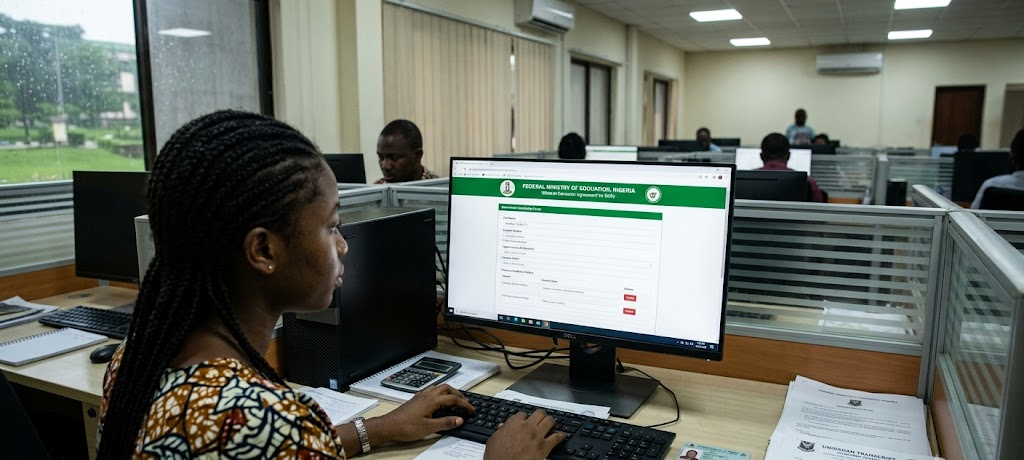
But competition is very high in these programs which see thousands of applications yearly. Apps are accepted which present strong academic performance, which also must achieve a minimum CGPA and in some cases may have to pass screening exams or interviews. Also what makes these scholarships very attractive is that they are local which means they are accessible to a large pool of students also they are tailored to support study of either in the country or abroad.
Private Scholarships
Private organizations such as companies, foundations and non governmental groups run into the field of education as part of what they do for the community or as a corporate responsibility. We see scholarship programs from oil companies, banks, telecommunication firms and also from the philanthropic sector. Also these scholarships may be directed at certain groups which they identify with poor students, women in science tech fields, or students from under served areas. As opposed to government scholarships which may be more broad in nature, private entities may also present packages which include mentoring, internships, and career development in addition to the financial award.
Also some private groups may have less strict eligibility which in turn makes them more accessible to a larger pool of students. That said, we still see that applicants must show academic promise, leadership, or financial need. Also because of the very competitive nature of these scholarships students do well to pay close attention to deadlines and what is required for application, that is to say all documentation must be in order and also that it should play to the value structure of the organization.
International Scholarships
International scholarship programs which many Nigerians benefit from to study in foreign countries like the U.S., UK, Canada, Germany and Australia. Which in turn are given out by other governments, global foundations, and universities that want to get the best talent from all over the world. We see here full paid programs which cover tuition, board, travel and at times a monthly allowance. Also based on academic achievement, past leadership roles and community work.

Some also may ask for certain test scores like IELTS, TOEFL, GRE, or SAT which depend on the level of study. Although very competitive these scholarships present an amazing chance for academic and professional growth, also open doors to global networks and state of the art learning resources. Nigerians that do secure these scholarships usually stand out for their great grades, personal statement which they put a lot of thought into and very clear cut future plans related to their field of study.
Eligibility Requirements for Scholarships
Eligibility for scholarships varies by which organization is providing them, but we see some main criteria which the great majority of programs use to evaluate which students get which awards. Academic performance is a key factor in that mix, with many scholarships requiring a certain minimum CGPA or very strong secondary school results. Also we see that some scholarships have a focus on certain groups of students for instance undergraduate or post graduate students, or those in very specific fields of study like science, technology, engineering and math. In addition to how well you did academically, many programs also look at things like proof of financial need, past leadership experience, and community involvement.
Also you will see that identification docs, academic trans scripts, letters of recommendation and personal statements are very common elements required. For international scholarships you may also be asked to prove your language proficiency via tests like IELTS or TOEFL. So while meeting the eligibility criteria is a must, students also have to pay very close attention to each scholarship’s details because even small mistakes or left out docs may result in automatic disqualification at the screening stage.
Application Procedures for Scholarships
Applying for scholarships is a process which requires great attention to detail, organization, and timely submission of required documents. Usually the process starts off with research of available options via the schools’ websites, notice boards, or scholarship portals. Once a suitable scholarship is identified students must register on the application platform and fill out personal, academic and financial information accurately. Also included are supporting documents which may consist of academic transcripts, ID cards, recommendation letters, and passport photos. Also many scholarships will ask that you write an essay or personal statement which details your goals, achievements, and reason for applying.
After you hit submit some programs may do screening tests, interviews, or do in depth background checks before final choice is made. It is also very important to apply before the deadline date and to avoid last minute applications which see technical issues or applications which are not complete a major cause of rejections. Also it is a good idea to keep copies of all your submitted documents and to check up on the application status regularly as that also plays a role in the success of your application.
Strategies for Creating Strong Scholarship Applications
Creating a strong scholarship application is more than what the basic requirements ask of you; it is also a stage to present yourself as that stand out candidate. A very effective tactic is to write a very engaging personal statement which puts across academic aims, personal achievements, and long term career aspirations. Also students should put forward leadership roles, volunteer work, and extra curricular activities which display a well rounded development. Also in the mix is that you tailor each application to the values and what the scholarship provider is looking for instead of using a generic essay for all of them.
Also very important are the strong recommendation letters from teachers or mentors which know the student well as they add to the credibility. Also we see that maintaining high academic performance does in fact increase competitiveness especially for merit based scholarships. Also very important is the care put into proofreading all materials beforehand to avoid grammar issues or inconsistencies. In total a very put together application tells the story of the student’s potential, ambition and their value in receiving the scholarship.
Some mistakes to avoid when applying for scholarships.
Many students are awarded scholarships based on their qualifications but also fall short of getting them because of preventable issues in the application process. As it turns out many miss the deadline which is a huge no no and out of the question no matter how qualified they are. Also we see a lot of incomplete or wrong documents which do not get past the first round of review. Also some don’t pay close enough attention to instructions which may include word counts for essays or a certain format which if not followed will hurt their case.
Also a very large issue is personal statements which are generic and do not bring in the applicant’s own voice or goals. Also a big turn off is poor grammar and spelling which can break an application even if the content is great. To avoid these issues students should go over all the details, check their docs very well and get input from teachers or mentors before submission. By paying attention to these details they can see great improvements in results.
Conclusion
Scholarships are still the best option for Nigerian students which they can use to access quality education without great financial stress. We see that from government entities, private organizations, and international groups which put forth these opportunities we have many paths which present themselves to the students if only they are well informed and prepared. Also it is true that success in obtaining a scholarship is a mix of eligibility and strategy, attention to detail, and consistency. By going into the many types of scholarships out there, meeting the eligibility criteria, following the application processes to a tee and steering clear of common errors students may see great results.
In the end what we see is that persistence and that preparedness pays off as many of the successful applicants had applied to many before they got that which they were after. With the right headspace and approach Nigerian students can fully take advantage of what is on the table and in turn build a better academic and professional future.