
Introduction
Effective note taking is a key academic skill which students can develop. Today’s information is thrown at them in lectures, online classes and study sessions at a fast pace. Many students think that writing down everything the teacher says is enough, which is not true, in reality what we are after is that which you select, organize and process info in a way that will in turn make it easy to understand and remember later.
When notes are well put together they become great resources for revision, which in turn help students do well in exams, finish assignments and achieve deep subject matter knowledge. At the same time though poor note structure can cause confusion, eat up study time and cause revision to be a stressful experience. That is why it is so important for students to learn different note taking strategies which in turn will allow them to use the method which best fits their learning style and in turn improve how they take in and retain info.
Why Note-Taking Matters in Learning
Note taking is more than just penning down what is said in class; it’s a dynamic learning process which gets your brain to interact with the material more fully. As students process and put into words what they are hearing at the same time, they tend to grasp concepts better and do not just memorize. Also this process increases focus during lectures which in turn causes them to tune in to the main points as opposed to just passively listening. Also included in the benefits is the role of note taking in memory retention by putting out your own spin on the info you are given, you cement that knowledge in.
Also well organized notes become a personal resource for study that in turn makes revision more efficient. As an example instead of going over full texts or recordings again students can go over their notes to get to the important stuff fast. Also over the long term we see that with good note taking skills academic performance does better, confidence during exams goes up, and stress related to study goes down as students present a more put together picture of their work.
Popular note taking methods for students to try out
There are a number of structured approaches that students may use to improve their note taking and each system has a different focus based on the subject and what the student’s learning style is. Some methods stress organization, while others do so via creative or simple means. By trying out these techniques students may find what works best for them instead of using random or unstructured note taking. Among the best of these strategies are the Cornell Method, mind mapping, and outline note taking which are very much in use in schools and universities around the world.
Also check out a review of popular note taking systems which goes into more detail on different approaches which students may adopt. It is important to understand that no single method works for all and that which is right for you may greatly improve your comprehension, organization, and long term retention of info.
The Cornell Method: A Framework Approach to Learning
In the left hand column students put in keywords and questions, in the large right hand section they put in detailed notes, and at the bottom a summary. In class students put in main ideas in the right hand section while using the left to note down key points which may be for exam questions. At home they go over their notes and write a short summary which in turn reinforces what they know and helps with study.
This method is very useful in subjects which have a great deal of theory, for example social studies or biology, as it gets students to actively engage with the material. Also it improves recall as they are always organizing and rephrasing info instead of just writing it out. Over time this structured approach to study proves to be more efficient and less overwhelming.
Mind Mapping: A Visual Approach to Information
Mind map is a creative note taking tool which is into the field of visual organization as against linear writing. We start with one main idea at the center of the page from where the map branches out into related issues, sub points, and supportive data. That structure also brings out relationships between different elements of the topic which is very much so for fields like literature, geography, and science that play around with a number of processes. Also unlike what we are used to in the typical note taking method, mind mapping includes the use of color, symbols and graphics that put a fun spin on things and also which can greatly improve recall.
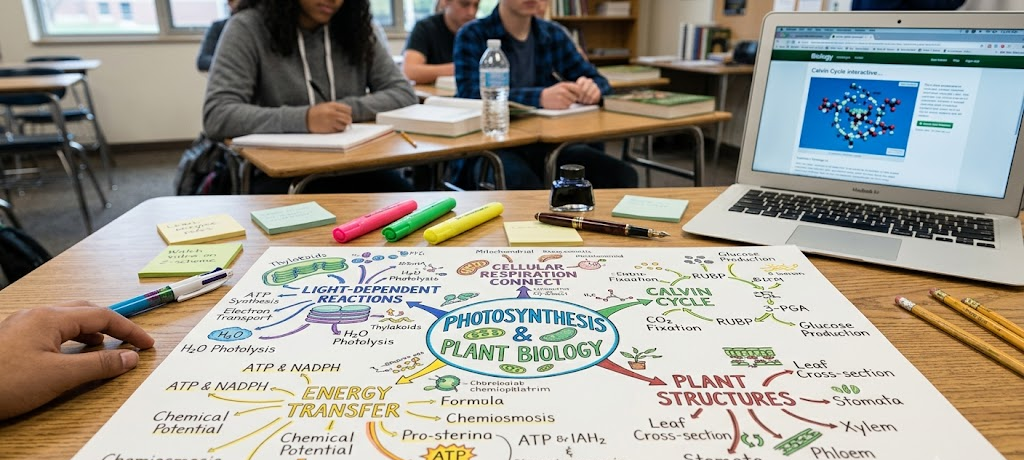
Also it is very beneficial for visual learners which include people that do better with info presented in a set out diagram as opposed to a large block of text. Also what we see here is that a single look over of a mind map can refresh large sections of info at a go, this is a great help during revision. At the same time though it does take some practice to present that info in a clean and very presentable way without the map becoming a mess.
Outline Note-Taking: Basic and Structured Organization
Outline note taking is a very simple and popular method which puts info into a hierarchy of headings, subheadings and bullet points. Main topics go on the left and supporting details are indented under them. This works well for lectures which have a definite structure as you are able to take in info as it is presented.
Also it is very useful for subjects like history, literature analysis and any which present ideas step by step. What we see is that outline notes excel in clarity, the structure’s what makes it easy to see main ideas and supporting points right away during revision. Also it gets students to focus only on key points which in turn reduces what may be written.
Picking out the Best Note-Taking Method for You
Select out of many note taking methods what works best for you based on your personal learning style, the subject at hand and your study habits. Some students do better with visual tools like mind maps, while others do prefer structured approaches like the Cornell Method or outlines. For example creative and visual learners may see success in mind maps, and those that value order and structure may do better in outline notes or the Cornell system.
Also it is a great idea to mix methods up based on the subject you are studying. For instance a student may use mind maps for outlying ideas in an essay and at the same time use outline notes for a class lecture. The key is to play around with what works best for you as a learner, try out different methods to see what helps you retain and present info best. Over time this personalized approach will improve your academic performance and also make study a more enjoyable experience which in turn reduces stress.
Ways to Improve Note Taking and Info Retention
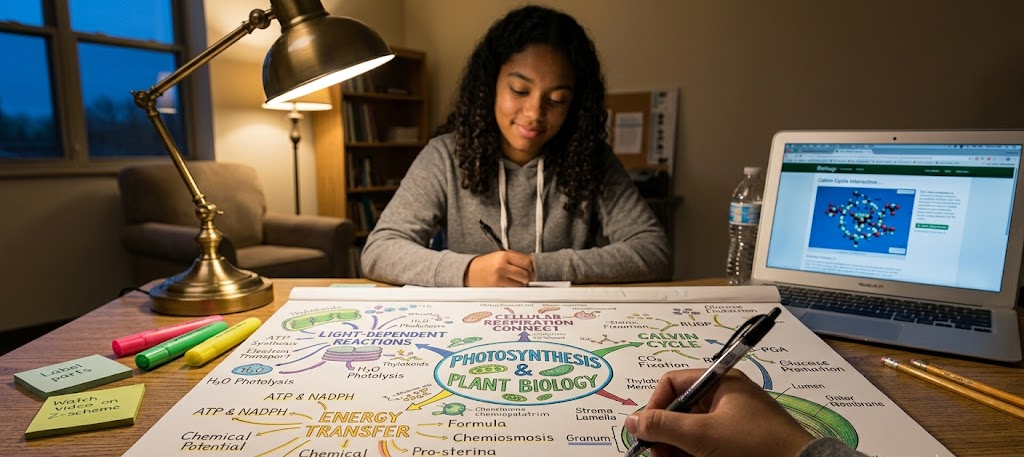
Improvement of note taking skills is a wide set of strategies beyond the choice of a single method which also includes what you do before, during and after lectures. One piece of advice is that you listen first and write second which is a different approach from trying to write down everything the professor says. That is better for identifying main concepts and not minor details. Also of use is to go over your notes right after class which at the same time refreshes your memory and also is a chance to add to what may be missing which at the present is still recent.
Use of abbreviations, symbols and short phrases also play a role in the speed and efficiency of note taking. Also, keep notes in a structured way by subject and date which in turn will make revision easier as you will be able to access any topic easily. Also use of color to put forward what is important also improves the clarity of the notes and in turn makes revision faster. Also very important is consistency which through regular practice builds up a student’s confidence and skill in what is to be included for effective note taking.
Conclusion
Note taking is a very powerful academic tool which in turn plays a key role in how well students do at understanding, organizing, and retaining info. We see that methods like the Cornell approach, mind mapping, and outline note taking each bring something different to the table which in turn play to different strengths of individual learners and requirements of a subject. By trying these methods out and putting them in practice, students may find what works best for them and as a result develop a better study routine.
Also good notes are not just a record of info, they are personal study tools which in part make revision a breeze, improve understanding and in turn raise academic confidence. In the end mastering note taking is about becoming an independent learner which in turn is able to handle complex topics with ease and as a result does better in school and beyond.