Condensación en paredes Barcelona is one of the most common moisture problems found in apartments and houses throughout the city. Many homeowners notice dark stains, damp patches, mold growth, or water droplets on walls without understanding the real cause. In many cases, the problem is not a leak or water infiltration. Instead, it is caused by condensation.
Barcelona has a Mediterranean coastal climate with relatively high humidity levels during much of the year. Combined with certain building characteristics, this creates conditions that make condensation a frequent issue inside homes. Understanding why condensation occurs and how to prevent it can help homeowners protect their walls and maintain a more comfortable living environment.
What Is Condensation on Walls
Condensation is a natural process that occurs when warm humid air comes into contact with a colder surface. When this happens, the water vapor in the air changes into liquid water.
Inside a home, walls can sometimes be colder than the surrounding air. When moisture from daily activities reaches these cold surfaces, small droplets begin to form. Over time, repeated condensation can leave walls damp and create conditions that allow mold to grow.
This process often occurs gradually, which means homeowners may not notice the problem until stains or mold become visible. Condensation is especially common during cooler months when temperature differences between indoor air and wall surfaces become greater.
Why Condensación en Paredes Barcelona Is So Common
Several factors contribute to the high number of condensation related problems in Barcelona homes.
One important factor is humidity. Barcelona experiences relatively high humidity levels throughout the year. Moisture in the air can easily accumulate inside homes, especially in apartments with limited ventilation.
Another reason is the age of many residential buildings. A significant number of homes were built decades ago and may have limited insulation, interior bathrooms, cold walls, or ventilation systems that do not effectively remove moisture.
Daily activities also increase indoor humidity. Cooking, showering, drying clothes indoors, and even breathing release water vapor into the air. If this moisture cannot escape, it remains inside the home and increases the likelihood of condensation.
Common Signs of Wall Condensation
Recognizing the signs of condensación en paredes Barcelona can help homeowners take action before more serious damage occurs.
One of the first signs is the appearance of water droplets on walls or windows. These droplets often appear during colder periods when indoor humidity is high.
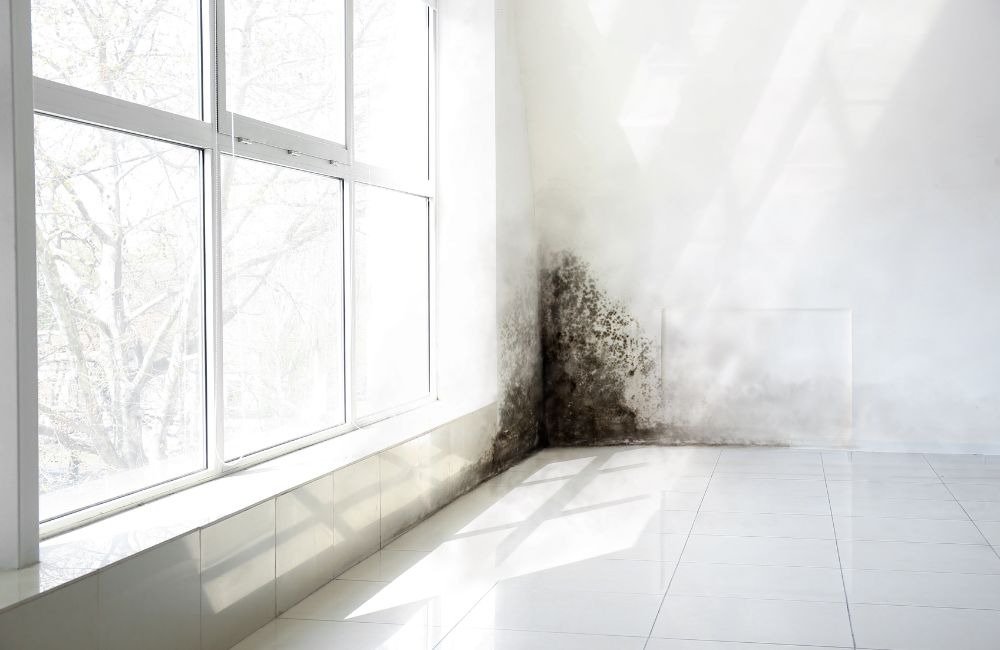
Dark stains are another common indicator. These marks frequently develop in corners, near windows, or on exterior walls.
Mold growth is also closely associated with condensation. Black spots often appear in areas where moisture remains present for extended periods.
Peeling paint and damaged wall finishes may also occur. As moisture repeatedly affects the surface, paint can bubble, crack, or separate from the wall.
Many homeowners also notice a persistent damp smell. This odor often indicates that excess moisture has been present for a long time.
Areas Most Affected by Condensation
Condensation does not usually affect every wall equally. Some locations are more vulnerable because they tend to remain colder or receive less airflow.
Corners of rooms are common problem areas. These spaces often trap air and experience lower temperatures than the rest of the room.
Walls behind large furniture are also frequently affected. Wardrobes, bookshelves, and beds placed directly against walls can block air circulation and create hidden moisture zones.
Areas near windows often develop condensation because glass surfaces become colder than surrounding walls.
Exterior walls are particularly vulnerable. These walls are directly exposed to outdoor temperatures and can become significantly cooler than interior surfaces.
Bathrooms and kitchens also experience higher humidity levels, making nearby walls more likely to develop condensation problems.
How Condensation Leads to Mold Growth
Moisture alone can damage wall surfaces, but it also creates the perfect environment for mold development.
When walls remain damp for long periods, mold spores can settle and begin growing. The process often starts in small areas but can spread over time if the moisture source remains unchanged.
Many homeowners focus only on removing the visible mold. However, if condensation continues, the mold is likely to return. This is why understanding the cause of moisture is so important.
Mold often appears in corners, behind furniture, near windows, and on cold exterior walls where condensation regularly occurs. Community discussions and housing experts frequently point to cold walls, poor ventilation, and recurring condensation as common reasons for repeated mold growth.
Why Painting Over Condensation Problems Does Not Work
A common mistake is attempting to solve condensation issues by repainting the affected wall.
Fresh paint may temporarily improve the appearance of the surface, but it does not remove the moisture source. If condensation continues, stains and mold often reappear after a short period.
In some cases, paint can even trap moisture within the wall surface, leading to further deterioration over time.
Before repainting, homeowners should identify why condensation is occurring and take steps to reduce moisture levels inside the property. Only after addressing the root cause should decorative repairs be considered.
Effective Ways to Reduce Condensation
Reducing condensation requires controlling humidity and improving airflow throughout the home.
Regular ventilation is one of the most effective solutions. Opening windows allows moist air to leave the property and be replaced by fresher air.
Bathrooms and kitchens should receive particular attention because they generate significant amounts of humidity during daily use.
Extractor fans can help remove moisture more efficiently. Many professionals recommend improving ventilation systems when condensation becomes a recurring problem.
Furniture should also be positioned slightly away from walls. This creates space for air circulation and reduces the risk of hidden condensation.
Avoiding indoor clothes drying when possible can also lower humidity levels. If clothes must be dried indoors, proper ventilation becomes even more important.
When Professional Assessment Is Needed
Some condensation problems are relatively easy to improve through better ventilation and moisture control. However, other cases may require professional evaluation.
If mold repeatedly returns, walls remain damp despite ventilation efforts, or paint continues to peel, a specialist may be able to identify additional contributing factors.
Cold wall surfaces, thermal bridges, insulation issues, and building design characteristics can all influence condensation levels. Understanding these factors can help determine the most effective long-term solution.
Conclusion
Condensación en paredes Barcelona is a widespread issue caused by the combination of indoor humidity, cold wall surfaces, and insufficient ventilation. Although it may initially appear as a minor inconvenience, repeated condensation can lead to stains, mold growth, peeling paint, and ongoing wall damage.
Understanding the causes of condensation is the first step toward solving the problem. By improving ventilation, reducing indoor humidity, and addressing cold wall areas, homeowners can significantly reduce the risk of future condensation. Taking action early helps protect the appearance of the property and creates a cleaner, more comfortable living environment throughout the year.