Introduction
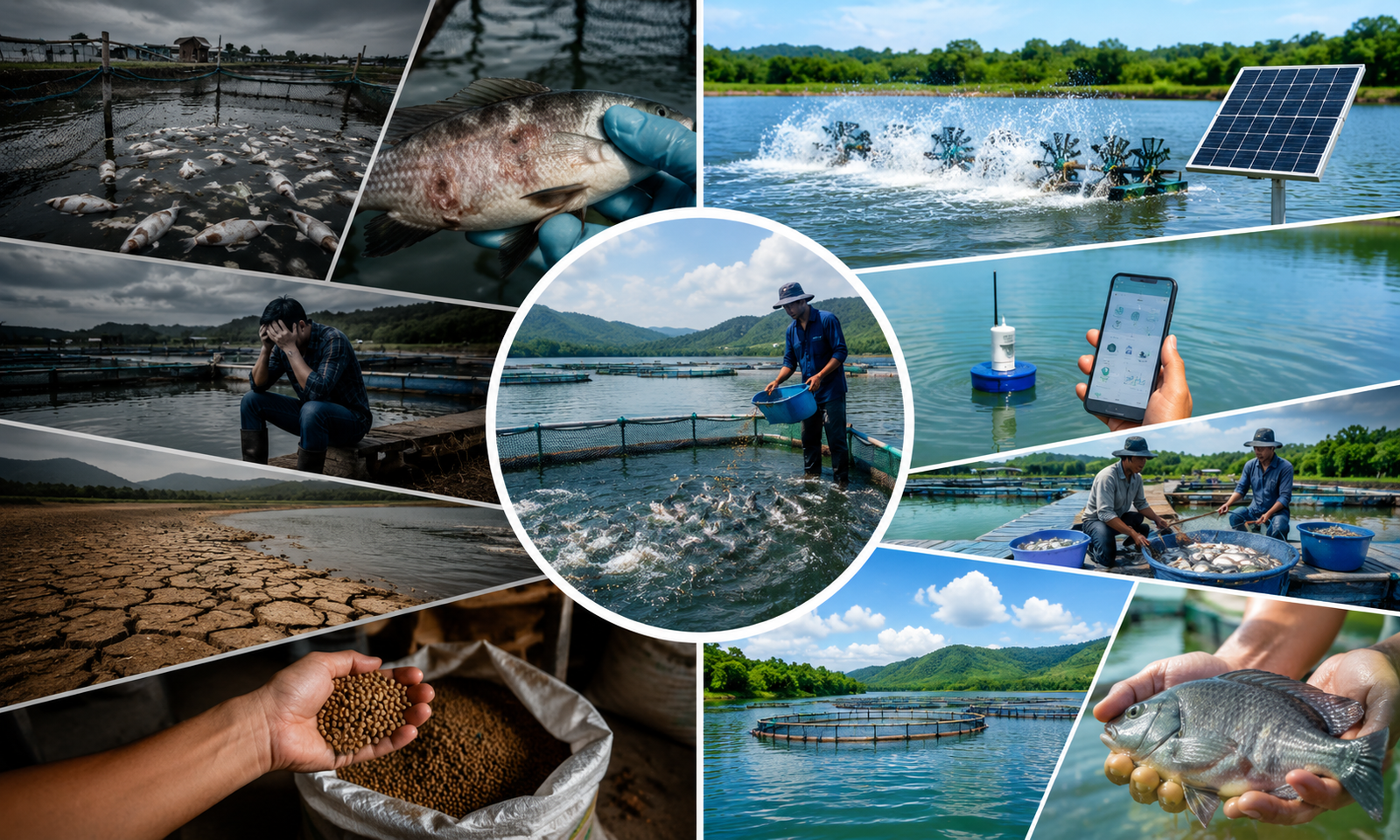
With the rising demand for fish as a source of protein and income, fish farming has emerged as one of the fastest growing sectors in agriculture. In Africa, Asia and in many other parts of the world, fish production is playing a vital role in food security, employment and rural development. Despite the potential of aquaculture, many fish farmers still encounter significant challenges in their operations, such as environmental issues and limited productivity, which affect their profitability. Fish farming is a challenging process that demands careful management and problem-solving, from dealing with disease outbreaks to expensive feed and unpredictable weather conditions.
Many farmers start an aquaculture venture hoping to make a lot of money, but end up with substantial losses due to lack of planning and knowledge. It is therefore important for both beginner and seasoned fish farmers to know of the common problems of fish farming. When fish farmers have correct knowledge they are better able to avoid unnecessary losses, enhance fish growth rate and ensure sustainable fish production systems. Fish nutrition is also an important aspect of fish health and growth which thus becomes critical for fish farmers to understand the feed consumed by the fish and the impact feed practices have on productivity. This is a helpful guide on what farmed fishes eat that farmers can refer to in order to learn about the fish feeding practices. By implementing effective management practices, fish farmers can overcome these challenges and create successful and sustainable businesses.
Water quality and water management
The major problem of fish farmers is poor water quality. Fish need water to live, breathe, eat and reproduce. Fish get stressed, grow slowly, will have low immune systems and will die when the water conditions are not good. Overcrowding, overfeeding, inadequate oxygenation, poor pond maintenance and fish excrement are all potential sources of water quality issues. Lack of monitoring of water parameters causes many farms to fall into harmful water conditions without being aware of it until losses occur.
Low dissolved oxygen is especially harmful because fish need a sufficient amount of oxygen to maintain proper metabolic and growth rates. If the weather is hot, or organic waste build-up is high, oxygen can decrease very quickly. Another major issue that can cause fish to become poisoned and raise stress levels is ammonia from fish waste. The toxicities of pH values below 6.0 or above 8.5 also result in adverse effects on fish health and their feeding habits. If the ponds are earthen, inadequate drainage and water stagnancy can promote the proliferation of harmful bacteria and parasites which pose a risk to fish.
Regular monitoring is the first step towards solving water quality issues. It’s important for fish farmers to conduct routine tests on water parameters including pH, dissolved oxygen, ammonia and temperature with inexpensive water testing kits. Water changes, sludge removal, and an appropriate feeding regime (no over-crowding) are all important aspects of pond management that can help to maintain good water quality. It is also important for farmers to fill their ponds with the correct densities not to overfill the ponds to cause oxygen depletion. Aerators or paddle wheels may be useful in intensive fish farming systems to raise oxygen levels. Furthermore, the establishment of grass around ponds will help to prevent erosion and polluted water from entering the ponds during rain.
Fish Diseases and Disease Outbreaks
Another significant problem is fish diseases which are detrimental to aquaculture farms across the globe. Diseases can spread rapidly in ponds or tanks, particularly if the fish are stressed or overstocked. If not controlled early, large quantities of fish can be killed in a short period of time by bacterial, fungal, viral and parasitic infections. The symptoms of diseases common to fish are loss of appetite, abnormal swimming, discoloration of the skin, ulcers, swollen body and death. Unfortunately, many small scale fish farmers do not have the technical expertise to be able to detect disease quickly and use the appropriate treatments.
The poor management practices of contaminated water, poor nutrition and the introduction of infected fingerlings into ponds are common reasons for disease outbreaks. Sudden temperature fluctuations or inadequate water quality stress fish, making them more susceptible to infection. Sometimes, farmers use antibiotics and other chemicals incorrectly without guidance, potentially increasing the incidence of disease resistance and the risks to the environment.
Prevention is more effective and cost effective than treatment of infected fish. Farmers should buy fingerlings from reputable hatcheries, where breeding stock is healthy. New fish should be quarantined prior to introduction into ponds. By keeping the water clean, providing proper feeding programs and maintaining optimal nutrition, fish immunity is enhanced and risk of disease is minimized. Farmers need to also remove any dead or sick fish immediately to avoid the spread of infection. Farmers should get advice from aquaculture extension officers or fish health specialists when disease symptoms occur, to determine the early stages of the problem and select appropriate treatment options. Vaccination programs and biosecurity are also beneficial in commercial aquaculture systems.
High cost of fish feed.
Feed expenses are one of the greatest expenses in fish farming, and can sometimes account for over 50% of production costs. Quality fish feed is crucial for fast growth, good health and higher production; however, increasing feed costs are still limiting producers’ profit margins. However, commercial fish feed prices are high due to the rising prices of ingredients like fishmeal, soybean meal, maize, and vitamins. Small-scale fish farmers are particularly affected because they may not have adequate financial resources to regularly buy adequate feed.
Poor feeding or substandard feeds can have a negative effect on fish growth, production time and market value. Some farmers try to cut the cost by feeding their fish with sub-optimal feed which does not have all the required nutrients causing poor fish performance and increasing mortality. Another frequent issue is overfeeding which leads to the loss of money and excess pollution of pond water, which further complicates the management process.
Fish farmers can implement various practical solutions to help manage the high costs of feed. The effective solution is to make the homemade fish feed with local materials, like cassava peels, groundnut cake, soybean meal, blood meal and fish waste. Homemade feeds should be nutritionally balanced in accordance with the nutritional requirement of the fish species being raised so that the farmers could ensure the balanced nutrition for fishes. Feed storage is also a significant factor as when feed is spoilt, it becomes unfit for use and can lead to disease breakouts. Correct feeding times and amounts result in reduced wastage and increased feed conversion efficiency. A few farmers have tried to combine fish farming with crop and livestock farming systems, as a way of cutting the expenses by utilising the agricultural waste for fish feed ingredients.
Theft and security problems on Fish Farms
Theft is one of the most frequent, yet overlooked issues in fish farming. Poaching on fish ponds in remote areas is a threat particularly if the ponds are harvested when the fish are mature and of high value. Theft of fish by thieves using nets, traps or poisoning can result in substantial quantities being lost overnight by farmers. Theft decreases the yield of the aquaculture and deters investment in the expansion of the aquaculture. In some communities, fish farms are easy targets of criminal activities due to insecurity and weak law enforcement.
In addition to fish theft, farmers can also suffer from farm theft of farm equipment including feeding systems, water pumps, generators and pipes. These losses cause operational costs to rise and hinder production. An unprotected farmer who is not aware of the security policies is more vulnerable to security issues.
There should be both physical and community-based approaches to improving farm security. Fish farmers should enclose their fish pond, and use fish gates to prevent any unauthorized entry. Simple alarm systems and night-time security lights are a good way of deterring intruders. The use of trusted security people (watchmen) can also be beneficial in protecting valuable fish stocks. Farmers residing in proximity to their ponds tend to lose fewer numbers as it deters would-be thieves with the presence of regular humans. A strong farm/community relationship is also vital, as neighbours working together can help keep an eye out for suspicious activities that occur on the farm. Some fish farmers also form the cooperatives wherein they share information and collective security in the farming community.
Climate Change and Environmental Challenges.
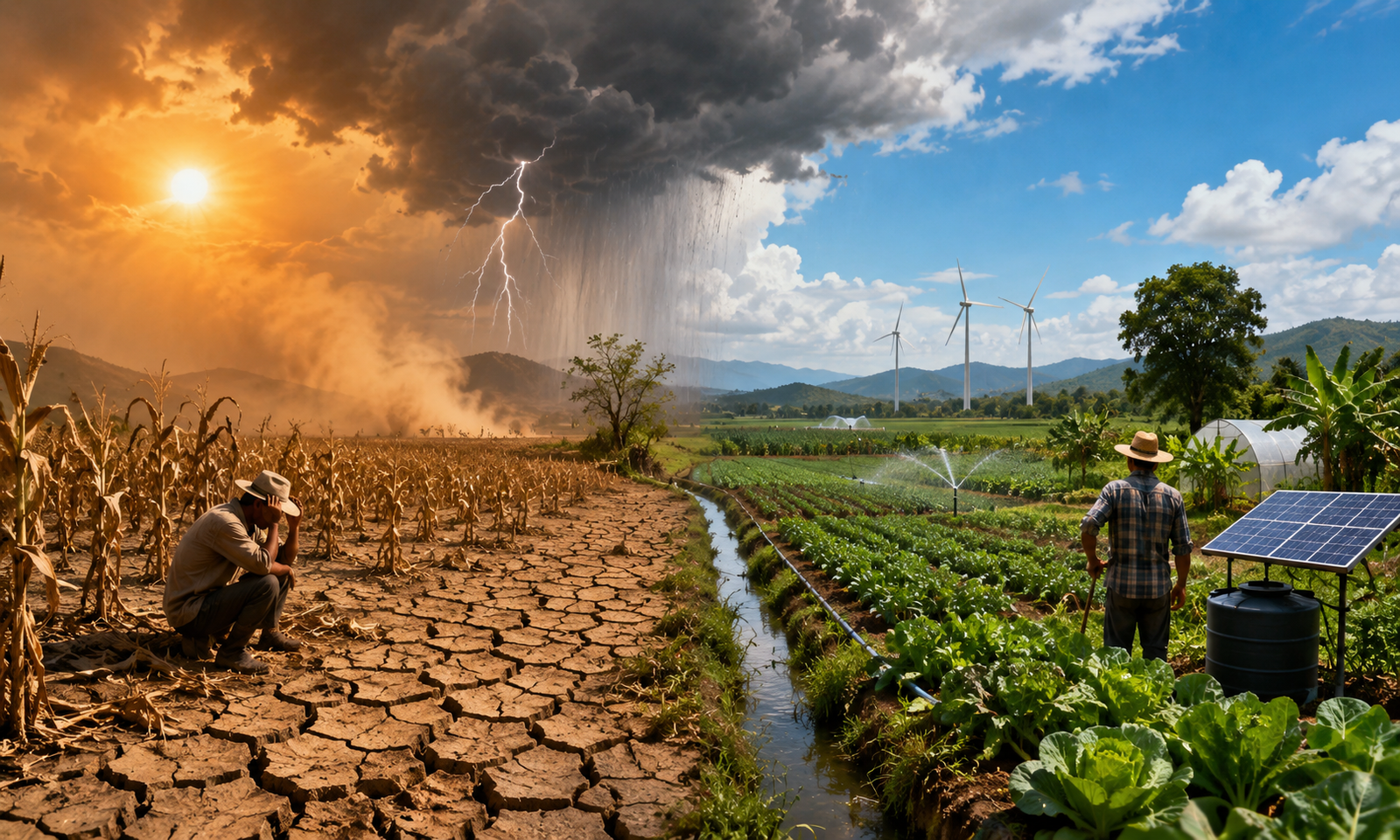
Climate-related problems are becoming a major challenge in aquaculture. The variations in rainfall, flooding, droughts, temperature and extreme weather events directly impact fish production systems. If ponds become overfull due to heavy rainfall, they can flood and result in the escape of fish or contamination and/or the introduction of predators into ponds. Flooding can also cause damage to pond facilities and spread disease. Drought, on the other hand, will decrease the water available and can cause high fish mortalities from the lack of oxygen and increase the temperature of the water.
Fish metabolism, feeding and reproduction are greatly affected by variations in temperature. Low dissolved oxygen in water and high fish stress levels due to extremely high temperatures. Unpredictable agriculture production also impacts the feed ingredients for fish, and their price in the market. The farmers who rely solely on natural water sources are particularly sensitive to environmental variations.
By planning and adapting, fish farmers can mitigate the risks associated with climate change. Good pond wall and drainage will reduce flood and fish escape. Farmers should also have alternative water sources like boreholes or reservoirs as backup water sources in case of dry seasons. Trees planted around fish farms can help to keep the heat down and stabilize the environment. The use of fish species resilient to climate change and low water quality can also help to increase survival rates. Weather forecasting and seasonal forecasting should be taken into consideration by the farmers to better plan their stocking, feeding and harvesting activities.
A lack of technical knowledge and farm management.
One of the most important reasons for the failure of many fish farming businesses is lack of technical knowledge. Several farmers begin fish farming without adequate training and then make poor decisions in the construction of fish ponds, stocking rate, feeding, water management, and management of disease. Poor record keeping also hinders farmers from having accurate records of expenses, growth and mortality rates, and profitability. But if there are no records, it can be challenging to determine what needs improvement, or what management decisions need to be made.
Slow fish growth, poor survival and financial loss can occur due to poor management practices. Some farmers intentionally keep incompatible fish species, or excessively large quantities of fish in their ponds in hopes of making more money, but end up in stressful ponds that make less fish. Others are not catching their fish at an appropriate time or determining the right markets to sell for the greatest profits.
There is a need for ongoing education and training in fish farming. Farmers should participate in aquaculture workshops, seminars and extension programs to enhance their technical skills. It’s also important to get hands-on information by reading educational literature and getting tips and advice from experienced fish farmers. Farmers can keep detailed records of the farms, which can help them to assess the performance and enhance efficiency in the future. A business plan is essential to help farmers to forecast the cost of setting up a fish farm, manage risks and make production targets achievable.
Difficulties in marketing
Despite achieving fish production, farmers may face challenges related to market access and low market prices. Market challenges are related to the absence of buyers’ certainty, transport or storage. However at times of high supply fish prices can drop substantially, impacting profitability. There are also middlemen who take advantage of the farmer by giving them very low rates in the case of small farmers, particularly when they rush to sell the produce, to get rid of it.
Fish quality and market value can also be reduced due to poor handling and storage. If the fresh fish is not preserved (refrigerated, smoked or cold stored) it will rot very quickly. Post harvest losses and low farmers income due to transportation issues in rural areas add to the losses.
Fish farmers can try out various marketing strategies for better profits. Direct sales to consumers, restaurants, hotels and supermarkets typically result in better prices than those from recurring middlemen. Farmers can also add value by processing fish through smoking, drying or packaging to make them more durable that can attract more willing customers and earn more. Farmers may group together under a cooperative marketing group to leverage their production and obtain competitive market rates. Social media and digital marketing are gaining traction as effective tool for marketing fish products and their wider usage among customers.
Conclusion
Fish farming presents very vast opportunities for income generation, food production and economic development but is also beset with certain serious challenges, which if properly managed and provided for with practical solutions, can ensure success. If not managed, anything from poor water quality to disease outbreaks, costly feed, theft, climate change, as well as lack of technical knowledge and marketing challenges can all contribute to reduced farm productivity and profitability. But, fish farmers who are aware of these issues, and who use preventive measures, can make aquaculture a long-term success.
Good planning, learning and farm management practices are essential for sustainable fish farming. Healthier Fish and Higher Profits: Monitoring water quality, maintaining biosecurity, reducing feed wastage, improving farm security, adapting to climate conditions, and developing strong marketing strategies all help achieve a healthier fish and higher profits. Those who invest in education and sustainable methods will stand to gain in the highly competitive aquaculture industry. Fish farmers can reduce some of the major fish farming challenges and create resilient fish farms that will support food, job and economic security for many years to come by taking proactive steps.