Introduction
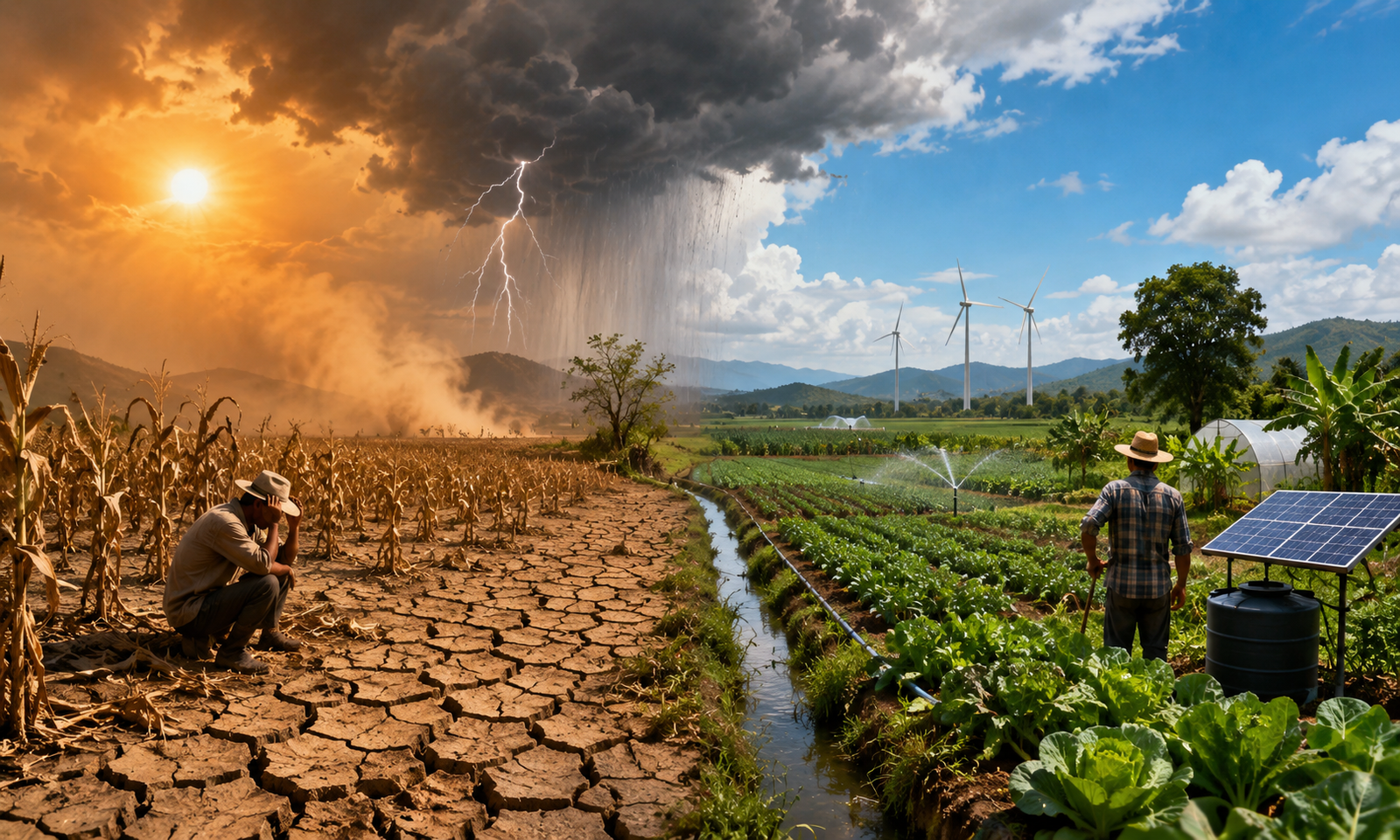
Climate change is one of the biggest challenges to global agriculture in the 21st century. Many farmers around the world are already seeing unusual weather conditions, including increases in temperature, changing precipitation patterns, flooding, droughts and more intense storms impacting their food crops and their livelihoods. Stable environmental conditions are vital to agriculture, and a climate change disruption can have significant impacts on crop production, livestock health, pest attacks and water availability. The impacts of climate change are even more dire in many developing nations, particularly in Africa, where agriculture is the primary means of livelihood and food security for millions of people. Farmers, governments and agricultural stakeholders need to grasp the climate change effects on agriculture, including crops, to safeguard food systems and to ensure sustainable farming for the future.
The impacts of climate change are not limited to any one aspect of agriculture, but rather impact all phases of agricultural production. Farmers can experience drought and shortfalls, as well as excess rain, with resulting livestock heat stress, disease outbreaks, and limited water resources for many farming communities. Also, alterations in environmental conditions allow the movement of pests and diseases causing crops to be lost and farm productivity to decline. Farmers and their livelihoods are faced with more and more challenges that require adaptation measures that will help them manage the changing climate. Adopting irrigation technologies, developing better seed varieties, implementing soil management techniques, and changing farming systems can help to lessen the impacts of climate change and enhance agricultural resilience.
Climate Change and Agriculture
Climate change is a general alteration of average temperatures, rainfall, wind patterns and other environmental factors, primarily due to an increase in human activities like deforestation, industrial pollution, and fossil fuel combustion. The agriculture sector is closely linked with the environment and any small change in the climate can create a significant impact on agriculture production. Scientists have seen global warming, late rainfalls, melting glaciers and greater frequency of extreme weather events (floods, droughts, heatwaves) throughout the years. These ecological shifts have a direct impact on farming practices and production, cropping and harvesting cycles, etc.
The link between agriculture and climate change is also multifaceted, as agriculture itself is a source of GHGs emissions including from agricultural livestock, agricultural fertilization and land use change. The agriculture industry, however, is also among the largest sufferers of climate change. Today, farmers have less certainty of weather conditions and the use of traditional farming methods is less reliable. Climate variability can result in lower crop yields, famines and economic losses in areas where agriculture is primarily rain-fed. Research on impact of climate change on crop production suggests that it is already affecting crop yields in many regions of the globe through increased temperatures and weather variability. The situation underscores the need for farmers to be aware of these climate risks and the need to consider practical solutions that can help to enhance resilience and sustainability.
Impact of climate change on crop production
Bad harvests.
The decline in crop yields is one of the most critical issues in agriculture resulting from climate change. Some crops need a certain temperature and rainfall to grow. The heat and/or fluctuations in rainfall cause stress in crops, resulting in reduced growth and productivity. High temperatures can also decrease the rate of photosynthesis, uptake of nutrients, and injury to plant tissues. In extreme weather, crop yields, quality of fruits and vegetables, or yields of smaller grain may result in maize, rice, wheat, and cassava. Seasonal rainfall is imperative to farmers and delays in the rain can introduce hardships, while early dry spells can cause crops to be lost before time.
Another climate change problem is flooding. Excessive rains can wash away seeds, and in the process of soil erosion, nutrients which are vital for the growth of plants can be lost. In certain places, the repeated flooding is causing the farm land to become water-logged, and so hindering the survival of crops. Rising sea-level also poses a challenge for coastal agricultural areas, increasing soil salinity and hampering the effective growth of crops in these zones. Heat stress, drought, flooding and soil degradation are interacting to further depress global food production and undermine food security, particularly in the most vulnerable populations who are heavily dependent on agriculture for their livelihoods.
Changes in Growing Seasons.
Some of the typical farming schedules in several regions have changed due to climate change. The once-stable rainfall patterns have become unpredictable for farmers, affecting their planting and harvesting times. Some countries start to rain much later than expected and in others heavy rain for a short period followed by a sudden end to the rain. Such changes complicate the choice of planting time for farmers. Early planting could result in failure if there is not enough rain and late planting could result in not being able to finish the crops before drought or flood.
The short growing periods also mean less time to grow crops and a decrease in productivity. Climate change could affect some crops to the point of no longer growing in places where they were successful before. The farmers are thus compelled to try new ways of planting or shift to other crops. Such shifts in climate can also raise production expenses in many farming communities because farmers might end up having to replant their crops more than once in the same season because of poor germination or adverse weather conditions.
Impact of climate change on livestock farming
The livestock sector is also a major farm industry that is significantly impacted by climate change. Cattle, goats, sheep, poultry and pigs are sensitive to environmental conditions, particularly temperature and water supply. Heat stress occurs when temperatures increase, causing livestock to alter their feed habits, growth rates, reproductive and milk production capabilities. When animals are subjected to high temperatures they tend to reduce their feed intake, which leads to loss in productivity and weight loss. For example, dairy cattle may give less milk when it is very hot and poultry birds may have high mortality rates in poorly ventilated conditions.
Livestock diseases and parasites are also spread more by climate change. Higher temperatures provide the ideal conditions for disease-carrying insects like ticks, mosquitoes and flies. They carry harmful diseases which cause vaccinates to become vulnerable and decrease farm profitability. Drought also has other impacts on the availability of pasture and animal feed, which increases the costs for livestock producers either spending more on purchased feed or going a long way to find pasture and water. The lack of water tends to cause problems to animals as this contributes to dehydration and poor hygiene, which increases the risk of disease outbreaks occurring in the animal population.
The hazards of extreme weather events like floods and storms may cause destruction of shelters and loss of livestock due to drowning, injury, or exposure to disease. Small-scale farmers may be among those most impacted as they often have limited funds for repairing damaged infrastructure or replacement animals. In the face of increasing climate stress, livestock keeping enterprises need to change their management practices to ensure animal health and productivity in challenging climate conditions.
Water availability and Agricultural Challenges
Water is one of the most important resources for agriculture and climatic change is exerting increasing pressure on water resources worldwide. Reliable rainfall and/or supply of rivers, lakes and underground water sources for irrigation and livestock farming are important for many farming systems. But, as temperatures and rainfall patterns have been altered in many agricultural areas, water is becoming scarce. The extended droughts cause the rivers and reservoirs to run dry, which complicates the farmers’ ability to irrigate crops and water animals.
In certain locations, climate change is leading to more rain and flooding instead of drought. During floods water might seem plentiful, but much of it runs off rather than being retained for use in the future. Floodwaters may also bring chemicals, waste and disease-causing organisms into water sources which makes water unsafe for agriculture or household purposes. Heavy rainfall can also lead to soil erosion, which compromises the soil’s water-holding capacity, making crops susceptible to drought conditions.
Water scarcity is increasingly competitive among farmers, industries and the urban population. With an expanding city and increasing population, water allocations to agriculture may be reduced, particularly during droughts. Relying exclusively on rainfall results in the farmers’ increased uncertainty and lowered productivity. If not managed with the right water management tools, climate change may pose an extreme threat to global food production and lead to food insecurity in many countries. So, water saving and the use of water for irrigation is becoming important for sustainable agriculture.
Rising incidence of certain pests and diseases.
Climate change has played a significant role in the rise of crop and livestock pests and diseases. Warm weather and fluctuations in humidity allow pests to survive, reproduce and multiply quickly. Under warmer conditions, the growth rate of insects like locusts, aphids, caterpillars and beetles increases, leading to significant damage of farmland in a short period of time. Already, many farmers are suffering from more crop damage caused by pest infestation associated with the changing climatic conditions.
Higher humidity and changes in temperature are also facilitating the growth of fungi, bacteria and viruses, which are causing plant diseases as well. Drought or heat stress can weaken crops, making them more susceptible to infections which results in decreased yield and quality. Farmers might have to spend more on pesticides and disease control products, which will affect profits and production.
Climate change is impacting livestock diseases as well. Temperature and precipitation changes affect the spread of disease vectors (e.g., mosquitoes and ticks) to the animals, thus infecting them with diseases that were not previously common in that area. Diseases can quickly break out in a farm and if not controlled, may result in heavy economic losses. Rising pest and disease pressure is one of the biggest challenges faced and integrated pest management systems and climate-smart agricultural practices that can decrease vulnerability without compromising environmental health are needed.
How Farmers can adapt to climate change
Water use and water management.
The use of better irrigation and water management systems is among the most viable approaches that farmers can take to mitigate the impacts of climate change. Irrigation can be used to ensure that crops are produced even if there is less or more reliable rain. Water-use efficiency and minimisation of wastage through drip irrigation, sprinkler and rainwater harvesting systems enables farmers to utilise water more efficiently. Drip irrigation is especially advantageous in that it provides water directly to the roots where it can be absorbed, keeping water loss to the plant through evaporation to a minimum and saving water resources.
Water storage can also be constructed to collect rain water in wet seasons for use during dry seasons, including ponds, tanks and reservoirs, for farmers. Mulching and conservation tillage help to conserve soil water and limit evaporation loss. Governments and agricultural groups can help the farmer by investing in community irrigation projects and educating farmers about sustainable water management practices in drought stricken areas. Water management in agriculture is key to making it more resilient to climate change.
Improved Seed Varieties
Better adapted varieties of seed is another significant adaptation measure for climate change. Crop varieties that are better able to withstand drought, heat, flooding and some diseases have been developed by agricultural researchers. The improved seeds have higher yields under climate stress, are more resistant to stress and have faster maturity. Climate Resilient Crop varieties offer farmers a way of minimizing losses and food insecurity risks.
For instance, maize and rice varieties that withstand drought are already supporting crop productivity in dry areas in the face of lower rainfall. Early maturing crops can also be beneficial as they are able to mature before drought or flooding become problematic. But, the farmers should be educated and given access to quality seeds to reap the full benefits of the innovations. To ensure that improved seed varieties are affordable and available to the farming community, there is a need to collaborate among governments, agricultural extension workers and seed companies.
Soil Conservation Practices
Good soil health is critical for sustainable agricultural production, particularly in the context of climate change. Climate change contributes to soil degradation, leading to erosion, loss of nutrients and desertification, which all limit agricultural production. Soil conservation practices help maintain the health of the soil and its water and nutrient holding capacity. Mulching, cover cropping, crop rotation, terracing and agroforestry are some of the practices used for erosion and soil fertility.
Planting trees with crops is also a good option as trees provide shade, enhance soil structure, reduce wind erosion and help maintain local temperatures. Organic manure and compost also enhance the health of the soil through their ability to add organic matter and promote beneficial microorganisms. Besides enhancing crop productivity, conservation agriculture technologies decrease GHG emissions and can contribute to environmental sustainability. The adoption of soil conservation practices by farmers will make them more resilient to the negative impacts of climate change.
Sustainable Farming Methods
Adopting sustainable farming practices is a key driver in minimizing the climate risks and maintaining the agricultural productivity for the future. CSA promotes the adoption of environmentally sustainable practices that enhance the capability of farmers to be resilient, yet limit environmental harm. These techniques involve mixed farming, organic farming, integrated pest management, agroforestry, and precision agriculture. The diversification of farm activities has the effect of decreasing the reliance on a particular crop or livestock system, which makes farmers less vulnerable to losses due to climate change.
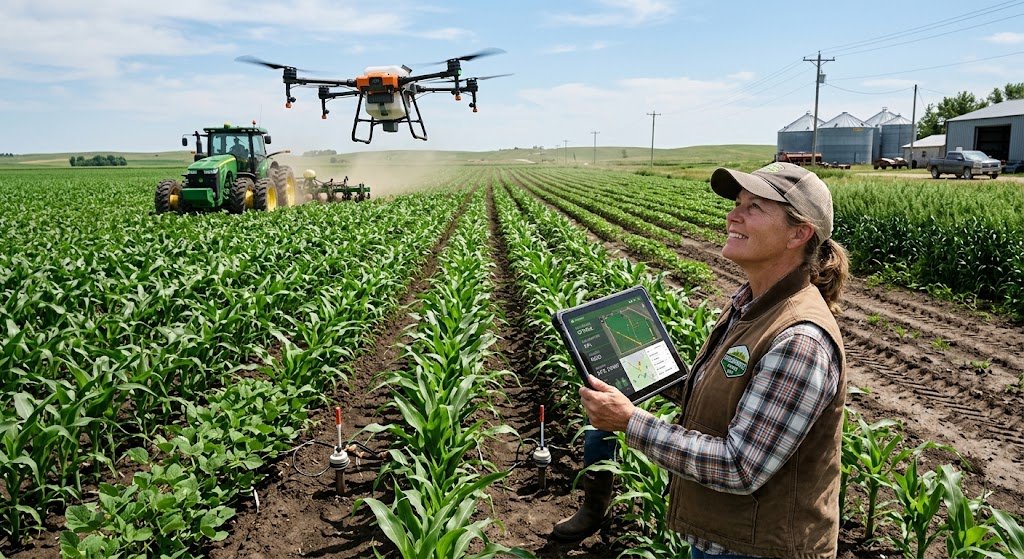
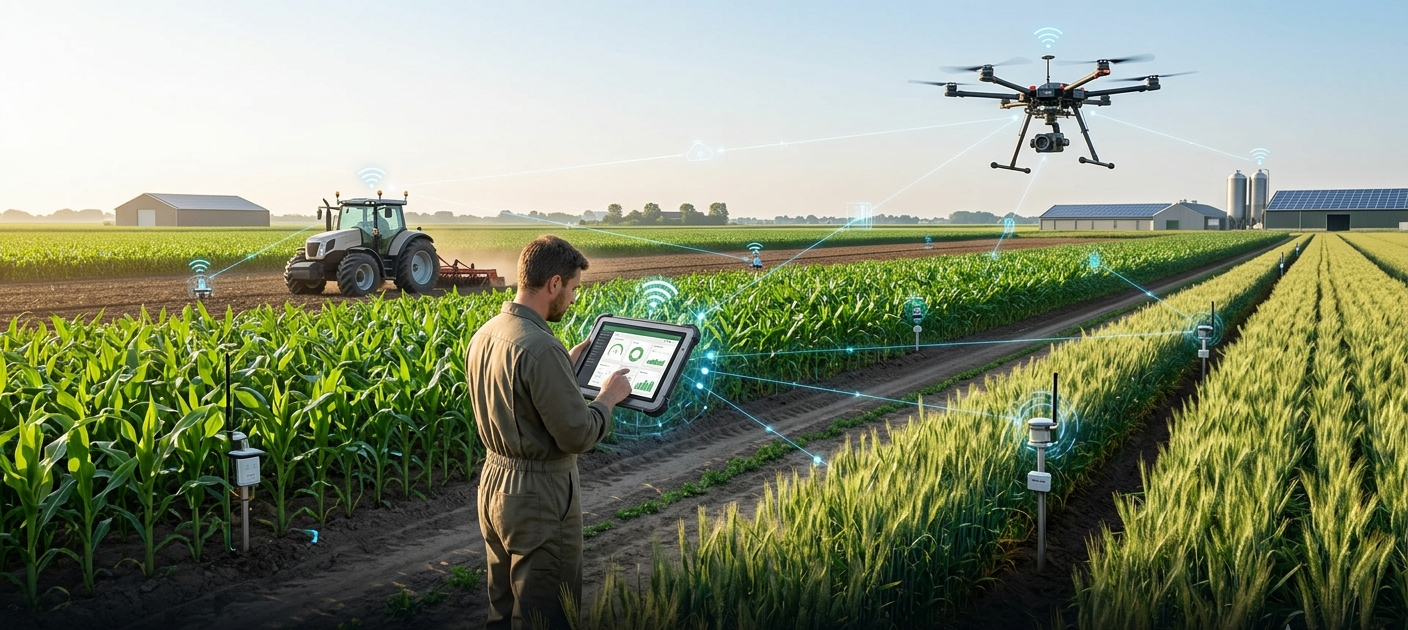
Integrated pest management is designed to minimise the use of pesticides by involving biological control strategies, rotation and good farm hygiene practices for pest control. Organic farming enhances soil fertility, helps biodiversity, and lowers chemical pollution. Precision agriculture involves managing the use of technology, like weather forecasting, soil testing, and digital monitoring systems, to guide farmers’ decision-making about planting, irrigating, and applying fertilizers. The strategies outlined are sustainable farming practices that help to promote productivity and ensure the sustainability of natural resources for future generations.
Role of governments and agricultural stakeholders.
Climate change in agriculture demands the cooperation of all the different governments, research institutes, agricultural institutions and farmers. Governments have a significant part to play in formulating policies to facilitate climate adaptation, environmental conservation, and agricultural development. Farmers’ ability to adapt to climate challenges can be enhanced through investments in rural infrastructure, irrigation technology, weather forecasting and agricultural research.
Extension services in agriculture also play a significant role as they offer the farmers training and information on climate smart farming practices. Research institutes are working to create new crop varieties, animal breeds and eco-friendly technologies that make crops more resilient to climate change. Financial institutions can assist farmers by providing loans, insurance and grants to aid in their recovery from climate-induced damage and to finance adaptation measures.
Public awareness campaigns are also crucial since many farmers do not yet have sufficient knowledge on climate change and sustainable farming practices. With appropriate education and assistance from the farmers, there is a strong possibility that practices for better productivity and environmental protection will be followed. Enhanced collaboration between actors can build food systems resilience and minimize the effects of climate change on agriculture in the long term.
Conclusion
Climate change is one of the biggest challenges in today’s agriculture. Crop production, livestock farming and food security continue to be impacted by rising temperatures, irregular rainfall, droughts, flooding, water shortages and increasing pest outbreaks globally. Crop production is already affected by climate change in many farming communities and is causing poor harvests and environmental damage, which is impacting livelihoods and incomes. Livestock producers are also suffering losses due to heat stress, outbreaks of disease, and shortage of forage, and water shortages add to the stresses on agricultural systems.
However, with some practical and sensible measures, such as using better seed varieties, practicing soil conservation, irrigation etc. and sustainable farming practices, farmers can survive the challenges. CSA provides solutions to boost resilience, conserve natural resources and sustain food production. Governments, agricultural stakeholders, and farming communities need to collaborate to promote these sustainable agriculture practices and to support adaptation. Climate change is a threat to agriculture, and climate protection for agriculture is equally essential to food security, economic stability and environmental sustainability. Today, societies can take proactive steps to create resilient agricultural systems that can withstand climate impacts in the future.
This was beautiful Admin. Thank you for your reflections.