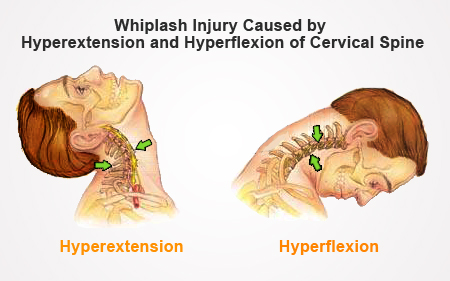
Whiplash is a very common injury that often occurs after a road traffic accident; however, the severity of whiplash can vary depending on each case. This also means that recovery times can vary, with some people recovering after a week or so and then others taking months or even years to recover. It is also an injury that can cause issues in the workplace.
What Is Whiplash?
Whiplash is a neck injury when there is a sudden movement of the head, usually forward or backwards. This type of accident can often occur during a car accident, especially those who have been hit in the rear end of the collision. That being said, it can also occur during sports or even falls at work.
The symptoms of whiplash are usually neck pain and stiffness, shoulder/upper back pain, dizziness, reduced movement in the neck, fatigue or difficulty concentrating and headaches. In some cases, whiplash symptoms don’t appear immediately, and they may occur 24 to 48 hours later.
Typical Recovery Times
Mild cases of Whiplash usually take a few days to a couple of weeks. You would slowly recover during that period, regaining normal movement, and the pain would reduce over time. You would also be encouraged to only partake in gentle exercise, and you’ll likely receive over-the-counter pain relief.
Most cases of whiplash would usually take several months to improve fully, especially if the muscles and ligaments have been seriously strained. You’ll also need to receive physiotherapy to help restore the strength and movement in the neck safely.
In rare cases, some people can develop chronic whiplash symptoms that last much longer than six months. In these extreme cases, this is where you can have persistent problems, issues with sleeping and poor mobility, which can affect your daily life. These are the extreme conditions which you will require ongoing medical treatment or even rehabilitation.
Factors That Can Affect Recovery
Severity – The more severe the case is, the longer it will take to recover, including high-speed collisions.
Age – Those who are much older will likely take longer to recover. Both fitness and health can also play a vital role in the healing process.
Early treatment – receiving medical assistance early can make a big difference as well. With gentle movement and physiotherapy, it can help prevent long-term pain and restricted movement.
Emotional Impact – Whiplash is not just a physical injury, as it can also affect your mental health. The restrictions that you have with your physical health can easily affect your mental health.
When Should You Seek Further Help
If your whiplash symptoms are more extreme and last for longer than several weeks, we would advise that you start to seek help, especially if the injury worsens over time or even interferes with your work. It would also be worth speaking to personal injury solicitors in Liverpool or wherever you are based to see if you can make a claim. Personal injury solicitors cover a wide array of injuries, from workplace injuries to road traffic incidents, across multiple injury claims.


