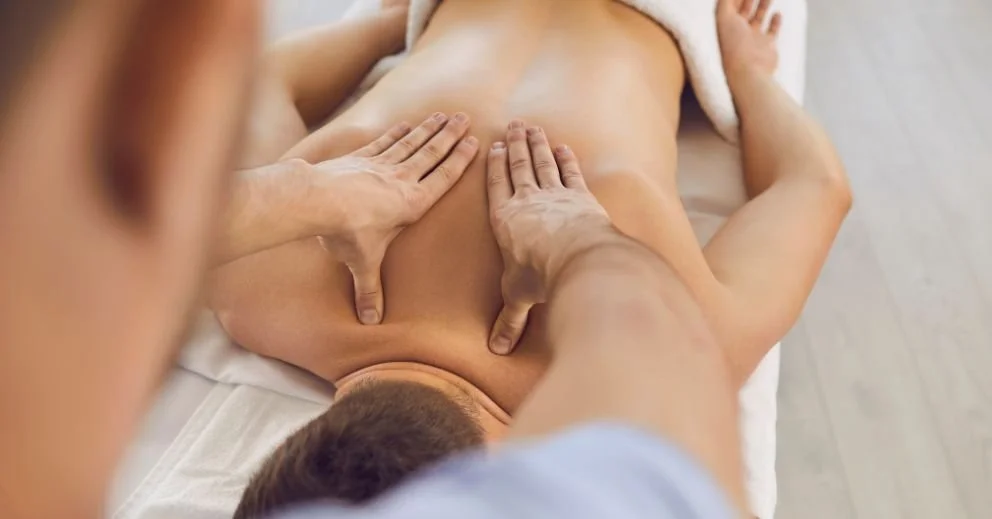
Alt tag- osteopathic treatment
When dealing with pain, injury, or movement issues, many people wonder whether they should see an Osteopath or a physiotherapist. While both professions focus on improving mobility and reducing discomfort, their treatment approaches and techniques can differ. Understanding these differences can help you choose the most suitable care for your needs and recovery goals.
Understanding Osteopathy
Osteopathy is a holistic form of healthcare that focuses on how the body’s structure and function work together. An Osteopath uses hands-on methods to improve movement, reduce tension, and support the body’s natural healing ability. The aim of osteopathic treatment is not only to manage symptoms but also to identify underlying causes that may contribute to pain or restricted mobility.
Osteopathic care often considers factors such as posture, lifestyle, muscle balance, and joint function when creating a treatment plan.
What Does Physiotherapy Focus On?
Physiotherapy generally focuses on rehabilitation, injury recovery, and restoring movement after surgery, trauma, or physical strain. Physiotherapists commonly use exercise-based rehabilitation programs, stretching routines, and movement training to improve strength and function.
While both therapies treat musculoskeletal conditions, physiotherapy often places greater emphasis on targeted rehabilitation exercises, whereas osteopathy takes a broader whole-body approach.
Techniques Used in Osteopathic Treatment
A key difference between the two approaches is the variety of manual techniques used during osteopathic treatment. Depending on the individual’s condition, an Osteopath may use:
- Joint mobilisation and stretching
- Soft tissue therapy
- Deep tissue massage for muscle tension and recovery
- Dry needling to target tight muscles and trigger points
- Cupping therapy to assist circulation and relieve muscular tightness
These techniques are designed to improve body function, reduce pain, and support overall mobility.
Conditions Commonly Treated
Both osteopathy and physiotherapy can help with a wide range of conditions. However, the treatment style may vary depending on the practitioner and the person’s needs.
Common conditions treated include:
- Back and neck pain
- Sports injuries
- Joint stiffness
- Postural concerns
- Headaches and muscle tension
An Osteopath may also focus on how different areas of the body are connected, helping identify movement patterns or lifestyle factors contributing to ongoing discomfort.
Which Treatment Is Right for You?
Choosing between osteopathy and physiotherapy often depends on your symptoms, treatment preferences, and recovery goals. People seeking a more hands-on and holistic approach may prefer osteopathic treatment. At the same time, those recovering from surgery or specific injuries may benefit from structured rehabilitation exercises commonly used in physiotherapy.
In many cases, both professions can complement each other and contribute positively to long-term recovery and injury prevention.
The Importance of Personalised Care
No two injuries or conditions are the same. Whether you choose physiotherapy or osteopathy, personalised assessment and treatment are essential for achieving the best outcomes. A qualified practitioner will assess your posture, movement, medical history, and lifestyle factors before developing a treatment plan tailored to your needs.
Supportive therapies such as deep tissue massage, dry needling, and cupping therapy may also be integrated to improve recovery and help manage muscle tension more effectively.
Finding the Right Support for Your Health
Understanding the differences between physiotherapy and osteopathy can help you make informed decisions about your care. Both approaches aim to improve movement, reduce pain, and support better physical function through tailored treatment strategies.
For those looking for personalised and professional care, Heidelberg Osteopath offers tailored osteopathic treatment designed to support mobility, recovery, and long-term wellbeing. Book your appointment today and take the next step towards better movement and lasting relief.