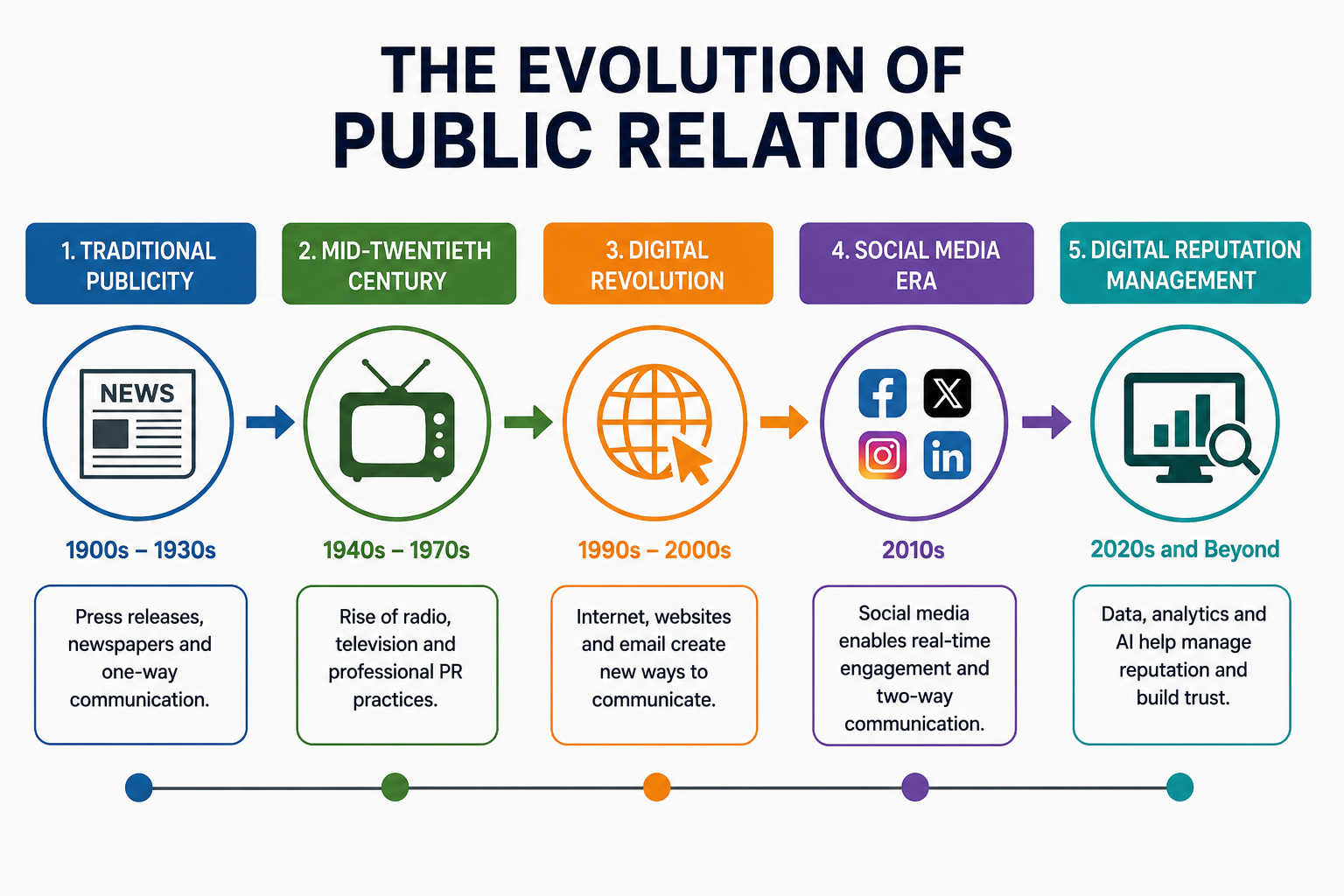
In today’s era of an interconnected and media-driven world, public relations (PR) has become one of the most necessary functions in any organization. From companies and government agencies to non-profit organizations, public relations is a vital aspect of managing public perception, building trust, and fostering meaningful relationships between companies and their stakeholders. Public relations is more than press relations or press statements, it is a strategic communication discipline that revolves around reputation, transparency, and engagement.
The basic principles that guide effective public relations are key to the way organizations communicate within themselves and to the outside world. These include being transparent, credible, understanding, communicating with integrity, and managing relationships. They work together to create the rules that govern good public relations and enable organizations to foster trust, help them manage crises, and maintain goodwill in the long term.
Familiarity with these concepts is key for anyone involved in a leadership role, someone working in communication, or someone tasked with communicating on behalf of an organization. Through the use of these core standards, organizations can boost their image, build trust with the public, and become successful organizations.
Public Relations Definition and Why It Is Important
Public relations is the strategic management of communication that an organization engages in among its different stakeholders. These stakeholders can be customers, employees, investors, government agencies, donors, the media, and the public in general. The job of public relations is to influence positive perceptions, deliver messages, and create a sense of common understanding.
Public relations is about earning trust through credibility and genuine communication, as opposed to advertising, which is often based on paid promotional activities. This encompasses media relations, crisis communication, internal communication, event management, social media engagement, and reputation management.
Key Functions of Public Relations
Effective PR consists of:
- Managing organizational reputation
- Communicating with media outlets
- Addressing public concerns
- Supporting brand awareness
- Strengthening stakeholder trust
- Handling crisis situations
- Encouraging community engagement
Knowing the fundamentals of good public relations is an asset for organizations in a rapidly evolving communication landscape that is constantly under the spotlight.
Transparency: The Foundation of Public Trust
Trust is impossible without transparency, and transparency is one of the most crucial principles in public relations. Transparency is about providing correct information, communicating openly, and accepting responsibility in case of problems. Organizations that are transparent are more likely to secure the trust of the public because they avoid misleading information and respond directly to concerns. Transparency is especially crucial in times of crisis.
A company might, for instance, experience a service failure or product recall, and transparent communication would include:
- An immediate response to the problem
- A factual description of the event
- A genuine effort to solve the issue
- Keeping stakeholders updated on an ongoing basis
Transparent organizations also keep their staff informed with clear communication, helping everyone stay on the same page. Businesses, governments, and non-profit organizations alike use transparency as one of the core principles that underpin good public relations.
Credibility: Protecting and Building Reputation
Credibility is the public’s belief that an organization is trustworthy, knowledgeable, and dependable. It is developed over time through consistent honesty, reliable communication, and responsible actions. If the message in a PR campaign lacks credibility, however, it can damage public trust. People are more likely to believe organizations when they do what they say.
How Organizations Build Credibility
Organizations can improve their credibility by:
- Providing reliable and truthful information
- Ensuring consistency across communication channels
- Delivering on promises
- Accepting criticism and responding truthfully
- Using trusted and qualified spokespersons
Trust is essential for companies and affects both customer loyalty and investor confidence. It also impacts citizens’ cooperation and trust in government. For non-profits, credibility is key to donor support and volunteer engagement. One of the key principles of good public relations is that trust is built through communication.
Mutual Understanding: Supporting Two-Way Communication
Public relations is not just about speaking to an audience, it is also about listening. Mutual understanding involves establishing dialogue between organizations and stakeholders so they can express ideas, concerns, and expectations. This two-way communication helps organizations make better decisions and build stronger relationships.
Strategies for Promoting Mutual Understanding
Organizations can foster mutual understanding through:
- Customer feedback surveys
- Social media engagement
- Public meetings and consultations
- Community outreach programs
- Employee feedback systems
- Stakeholder interviews
A non-profit organization, for instance, might seek community input before implementing a social initiative, while a company might introduce a customer feedback program to improve products. Governments often collect citizen input through public hearings or town hall meetings. Mutual understanding is one of the most useful principles underlying effective public relations because it allows organizations to adjust and respond to public needs.
Ethical Communication: The Moral Responsibility of Public Relations
Integrity and public confidence are built on ethical communication. Public relations professionals have a responsibility to communicate information truthfully, respectfully, and in a socially responsible manner. Ethical communication is not only about avoiding lies, but also about fairness, responsibility, and respect for audiences.
Key Elements of Ethical Communication
Examples of ethical PR practices include:
- Providing correct and reliable information
- Avoiding manipulation and misleading communication
- Respecting privacy and confidentiality
- Correcting misinformation promptly
- Representing different views fairly
- Using inclusive and respectful language
A business with a poor ethical image may face public backlash, legal consequences, and long-term reputational damage. Ethical communication is one of the strongest principles that govern good public relations because it aligns reputation management with social responsibility.
Relationship Management: Establishing Long-Term Connections
Good public relations is based on strong relationships rather than one-time interactions. Relationship management involves building and sustaining trust and effective communication with stakeholders over time.
Organizations should develop relationships with:
- Customers and clients
- Employees and staff
- Investors and shareholders
- Journalists and media professionals
- Government agencies
- Community leaders
- Donors and volunteers
Advantages of Strong Relationship Management
Organizations that focus on relationship management can benefit from:
- Greater stakeholder loyalty
- Stronger brand advocacy
- Improved crisis resilience
- Increased public goodwill
- Better collaboration opportunities
Among the principles that govern effective public relations, relationship management ensures communication is carried out in a way that builds long-term value and trust.
Application of Public Relations Principles in Businesses
Public relations is essential for businesses to build their brand, gain trust, and manage their reputation. By applying the principles of public relations, organizations can communicate effectively and respond to market changes.
Business public relations strategies include:
- Clear product and pricing communication
- Genuine responses to customer complaints
- Ethical advertising and messaging
- Employee engagement initiatives
- Community engagement and corporate responsibility
Organizations that consistently practice the principles of good public relations are more likely to achieve customer loyalty and maintain a competitive advantage.
How Governments Use Public Relations Principles
Public relations plays an essential role in government institutions by educating the public, explaining policies, and maintaining accountability to citizens. Communication quality and transparency are key elements of public trust in government.
Government PR applications include:
- Public policy announcements
- Emergency communication
- Citizen education campaigns
- Community consultations
- Crisis response messaging
The principles of transparency, ethical communication, and credibility are particularly important in governance and democratic trust.
How the Principles of PR Benefit Non-Profit Organizations
Public relations plays a crucial role in helping non-profit organizations raise funds, attract volunteers, and increase awareness of their missions. Trust is especially important because donors and supporters want to know that their contributions are being used responsibly.
Non-profit PR often focuses on:
- Clear financial accountability
- Ethical storytelling about beneficiaries
- Regular donor communication and appreciation
- Volunteer engagement
- Community outreach campaigns
The principles of effective public relations help non-profits improve credibility and maximize social impact.
Common Problems in Maintaining the Principles of Public Relations
Organizations that are committed to ethical communication are not immune to challenges in maintaining good PR practices.
Typical public relations challenges include:
- Managing misinformation online
- Responding quickly during public emergencies
- Balancing transparency with confidentiality
- Handling negative publicity
- Maintaining consistent messaging
- Adapting to new digital platforms
These challenges require strategic planning, trained professionals, and continuous efforts toward ethical communication.
Conclusion
Public relations is one of the essential functions organizations need because it involves trust, accountability, and communication. The core values of strong public relations practice across industries are transparency, credibility, mutual understanding, ethical communication, and relationship management.
These fundamental principles of good public relations help businesses, governments, and non-profit organizations build positive reputations, maintain stakeholder trust, and navigate challenges effectively. In an ever-changing communication landscape, organizations that prioritize these principles are more likely to achieve long-term success and public trust.
Frequently Asked Questions (FAQs)
What is the relationship between credibility and the success of public relations?
Credibility helps audiences trust the messages shared by an organization. Without credibility, communication efforts can negatively affect public perception and damage reputation.
What is ethical communication in PR?
Ethical communication involves sharing accurate information, respecting privacy, avoiding manipulation, and communicating fairly and responsibly.
What initiatives can organizations undertake to enhance stakeholder relationships through PR?
Organizations can strengthen stakeholder relationships by encouraging two-way communication, listening to concerns, responding respectfully, and maintaining consistent communication practices.