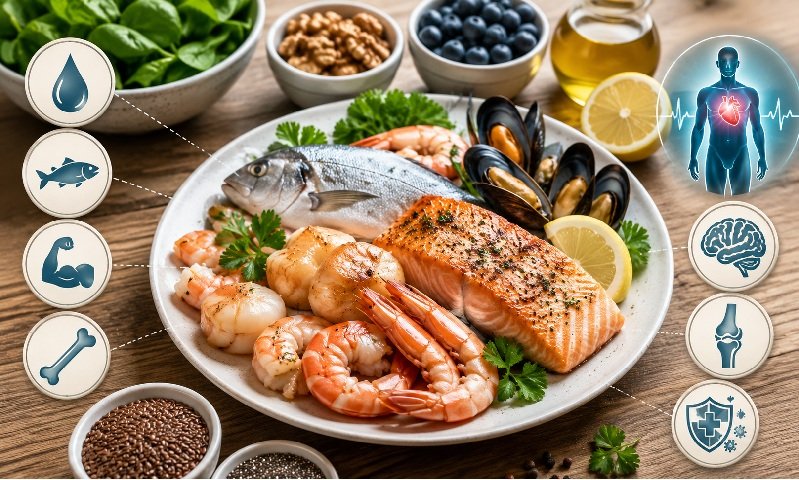
Seafood is considered to be one of the healthiest sources of protein. It contains fish, shellfish and other edible aquatic animals that have a high concentration of essential nutrients. Seafood is recommended to be a part of a healthy diet due to its benefits, which are sometimes hard to obtain from other protein sources, such as red meat or processed foods.
Seafood is a source of nutrients that are uniquely beneficial for a wide variety of reasons, from heart health to improved brain function. Seafood is typically low in saturated fat and rich in vitamins, minerals, and healthy fats, which are all beneficial for the body.Seafood is generally low in saturated fat and high in vitamins, minerals, and healthy fats, all of which are beneficial for the body. Knowing its nutritional values will assist people to choose a healthy diet.
The high-quality protein needed for the growth and repair of the body.
The good quality protein in seafood is one of its key nutritional attributes. Protein is vital for growth, repair, muscle formation, enzyme and hormone production and for a healthy body muscles, skin and organs.
Seafood is a complete protein, which means it contains all of the nine essential amino acids the human body can’t make. This is very beneficial for children, adults, athletes, and for the elderly who require sufficient protein for proper functioning of their bodies.
While some protein sources such as processed meats may have more calories and less healthy fat, seafood is a good choice for protein without too many calories. Lean fish, as well as cod, tilapia and haddock, are especially beneficial for anyone looking to keep a healthy weight or lose weight without compromising on nutrition.
Seafood protein is also lighter in digestion, making it great for people who have delicate digestive system.
High in Omega 3 Fatty Acids
The omega 3 fatty acids are one of the most beneficial aspects of seafood. These healthy fats are particularly prevalent in fatty fish, including salmon, sardines, mackerel and tuna.
Omega-3 fatty acids are essential nutrients that play a number of important roles in the body, such as:
- Development and function of the brain
- Heart health
- Eye health
- Reduction of inflammation
The health of the skin and joints is supported.Health of skin and joints is supported.
Omega-3 fats are not a saturated fat like red meat and fried foods and can help lower harmful cholesterol levels and decrease the risk of cardiovascular diseases. Research has demonstrated that those who eat seafood regularly have reduced risk of heart attack, stroke and hypertension.
Omega 3 fatty acids are also associated with better mental health. They can aid in memory, focus and emotional health. This is especially important in childhood for brain development and for the elderly who want to preserve their cognitive function.
Great for Heart Health.
Seafood is one of the healthiest foods to keep the heart healthy. Many fish species are low in saturated fat and cholesterol, and in fact are lower than these animal sources of protein.
Omega 3 fatty acids, lean protein, and minerals work together to promote cardiovascular health in a few ways:
- Lowers blood fat levels (Triglycerides)
- Promotes heart health.Supports cardiovascular health.
- Improves blood circulation
- Helps reduce inflammation of blood vessels
- Reduces the chances of an abnormal heart rhythm
Seafood is a component of a healthy diet that is recommended by health groups to be eaten two or more times per week as a way to promote heart health. Switching high-fat meats to seafood can help cut down on the unhelpful fats while providing much-needed protein.
Grilled or baked fish can be a healthier choice for those who are looking to avoid gaining weight or have concerns with heart disease as an alternative to fried chicken, sausages or fatty red meat.
Filled with Essential Vitamins and Minerals
Seafood is a rich source of a variety of vitamins and minerals that play a key role in maintaining the body’s health. Many types of seafood make a great source of the following nutrients, as do some of the others:
Vitamin D
The use of fatty fish as a dietary source for vitamin D is one of the few natural foods that has vitamin D in it. Vitamin D promotes bone strength, immune system function and calcium absorption.
Iodine
Seafood in particular, and marine fish or shellfish in particular, is high in iodine and this is necessary to maintain a healthy thyroid. A well-functioning thyroid keeps the body going properly.
Zinc
Zinc is found in shellfish like oysters and crabs, and it helps shield the immune system, promote wound healing and growth of cells.
Iron
Some types of seafood contain iron which helps to prevent anemia and aid in transporting oxygen in the blood.
Selenium
Seafood is a source of selenium, which is an antioxidant mineral that guards cells from damage and helps maintain immune function.
Seafood tends to be a more natural source of micronutrients than processed protein foods and is not as heavily processed or loaded with additional nutrients.
Helps brain and eye development
Promotes brain and eye development
Seafood is a key food for brain and eye maintenance during lifetime. DHA is a type of omega-3 fat that is particularly critical in the development of the brain and retina, which is why it is found in fish.
Safe seafood is recommended for pregnant women to eat because DHA is beneficial for fetal brain development. Regularly eating seafood can help children to concentrate and learn more.
For older people, eating seafood can also lower their risk of cognitive impairment due to age. There are some studies which indicate that eating fish regularly may have a positive effect on memory and the prevention of some neurodegenerative diseases.
Seafood nutrients also play a role in eye health, helping to maintain normal eye function and to decrease inflammation that may otherwise lead to eye issues.
Seafood is compared to other protein sources.
Seafood, in comparison to other typical protein sources like red meat, poultry and processed meat, has a more healthy nutritional profile.
Reduce the amount of Saturated Fat.
Seafood is much lower in saturated fat than beef or pork. Increased cholesterol and heart disease risk is related to high saturated fat intake.
Lower in Healthy Fats
Seafood is also rich in beneficial omega-3 fatty acids, which are often lacking or in small amounts in most types of meat.
Fewer Processed Additives
Fresh seafood generally is lower in preservatives and additives than processed sausages, bacon or deli meats.
Easier Weight Management
Many seafood options are low in calories and high in nutrients, allowing people to feel full without taking in too many calories.
Better Cardiovascular Benefits
Seafood is better for the heart than processed or fatty meat products because of the anti-inflammatory and cholesterol-lowering properties.
Conclusion
Seafood is one of the healthiest types of protein and provides a host of health benefits that can assist the body in many ways. It is packed with high-quality protein, omega-3 fatty acids, vitamins, and minerals that promote heart health, brain function, muscle repair, immune support, and overall wellness.
Seafish is also usually lower in unhealthily processed fats than many other protein sources, and is also a good source of nutrients that are hard to find in other foods. Consuming different types of seafood in their diet could promote long-term health and lower the risk of developing a number of chronic diseases.
Seafood can be a great source of protein, an alternative to heavily processed or high fat protein foods, and can be part of a healthy diet in a variety of ways, such as by being added to salads, soups, baked or grilled, or steamed.