Key Takeaways
- Utah ranks 9th among the most expensive U.S. housing markets in 2024.
- Median home prices have plateaued, though homes remain costly for most buyers.
- HOAs are now standard in more than half of new developments statewide.
- Lower mortgage rates are influencing market activity, but affordability remains strained.
- Construction of new homes has slowed, further tightening available housing supply.
Table of Contents
- Utah’s Housing Costs
- The Growing Influence of HOAs
- Impact of Mortgage Rate Changes
- Trends in New Home Construction
- Affordability Challenges Persist
- Future Outlook for Utah’s Real Estate Market
The Utah real estate market is experiencing significant shifts in 2026, driven by rising housing costs, evolving homeowner association (HOA) trends, and changing mortgage rates. For those considering buying or selling in the state, obtaining up-to-date insights is essential. If you’re researching outside the state but want to compare, seeking support from Queen Creek real estate experts Openshaw Real Estate Group can provide additional regional context and help you navigate your real estate journey wherever you are.
Utah’s position as one of the most expensive markets in the nation has created ongoing challenges for both buyers and sellers. Even as the market stabilizes, affordability remains a major hurdle for many. Understanding the combined impact of market conditions and policy shifts is crucial for making informed real estate decisions.
Mortgage rates and the prevalence of HOAs are increasingly playing dominant roles in the real estate experience in Utah. New home construction activity is also contributing to a complex environment, with less inventory and changing price pressures affecting everyone from first-time buyers to investors.
This article examines the biggest factors shaping Utah’s real estate climate in 2026. From detailed price breakdowns and rising HOA influence to mortgage dynamics and market outlook, we provide a thorough guide to help you stay ahead in Utah’s competitive market.
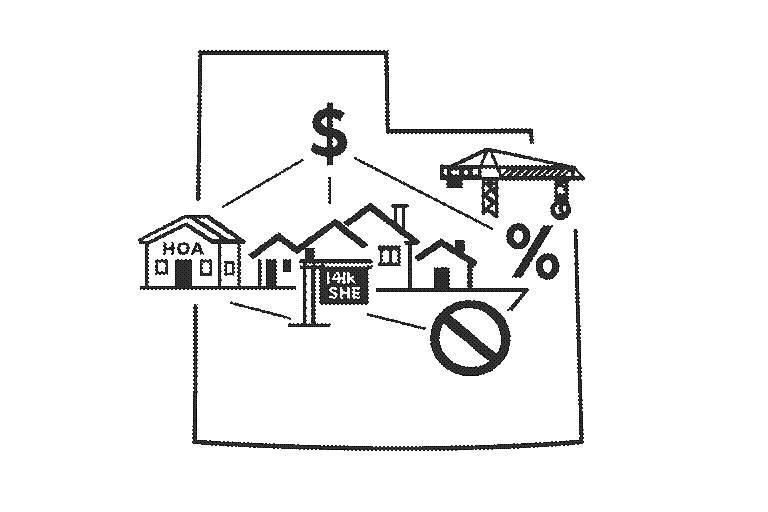
Utah’s Housing Costs in 2026
Utah remains one of the most expensive states for homebuyers, with the median single-family home price reaching $547,700 in the fourth quarter of 2025. This places the state as the 9th-most-expensive housing market in the U.S., according to recent national rankings. Price growth has finally stabilized, but for many households, these figures still represent a significant financial burden. Consistent high demand, combined with a steady inflow of new residents, continues to keep prices elevated despite a plateau in growth.
The Growing Influence of HOAs
Homeowners Associations are increasingly shaping the experience of purchasing a new home in Utah. HOAs appeared in over 58% of new home listings entering 2026, and buyers now expect to pay a median monthly HOA fee of $164. These associations manage common areas, amenities, and neighborhood standards, but their growing footprint adds a mandatory cost to homeownership that heavily affects a property’s true affordability. The role of HOAs is expanding in both urban and suburban developments, subtly shifting the overall costs of newer housing options.
Impact of Mortgage Rate Changes
Recent Federal Reserve rate reductions have had a tangible impact on Utah’s real estate market. Mortgage rates in the state, already among the lowest in the U.S., have dropped further, fostering increased buyer interest and slightly higher activity in certain market segments. However, with inventory levels up 20% year over year, the lower rates are not expected to drive prices significantly higher. Instead, more buyers are entering the market, and existing homeowners are less incentivized to sell and lose their current low rates.
Trends in New Home Construction
Construction activity is slowing in Utah, with only around 3,770 new units projected for completion in 2026. This represents a notable decline from prior years. The state’s housing market still lacks the recommended six-month supply to balance the market, making competition for available homes especially fierce. Developers have trended toward building luxury apartments rather than affordable rentals, leading to fewer choices for lower- and middle-income buyers. This persistent shortfall in new supply increases competition and hinders affordability improvements.
Affordability Challenges Persist
Stable housing prices have not solved Utah’s affordability problem. In 2026, Utah recorded a median multiple of 5.1, indicating a market officially categorized as “severely unaffordable” due to the large gap between home prices and median household incomes. Many buyers must stretch financially or compromise on preferred locations and features just to enter the market. Affordability concerns are likely to remain a defining characteristic, particularly as wages have not kept pace with rising real estate values.
Future Outlook for Utah’s Real Estate Market
Looking forward, Utah’s market is expected to stay competitive, with affordability and inventory constraints continuing to dominate. Mortgage rates may dip further, helping some buyers, but the demand for homes and the slow rate of new construction suggest upward pressure on prices will persist. Anyone considering a move in the Utah market in the next year should closely monitor mortgage trends, policy shifts, and construction starts to make sound real estate decisions.