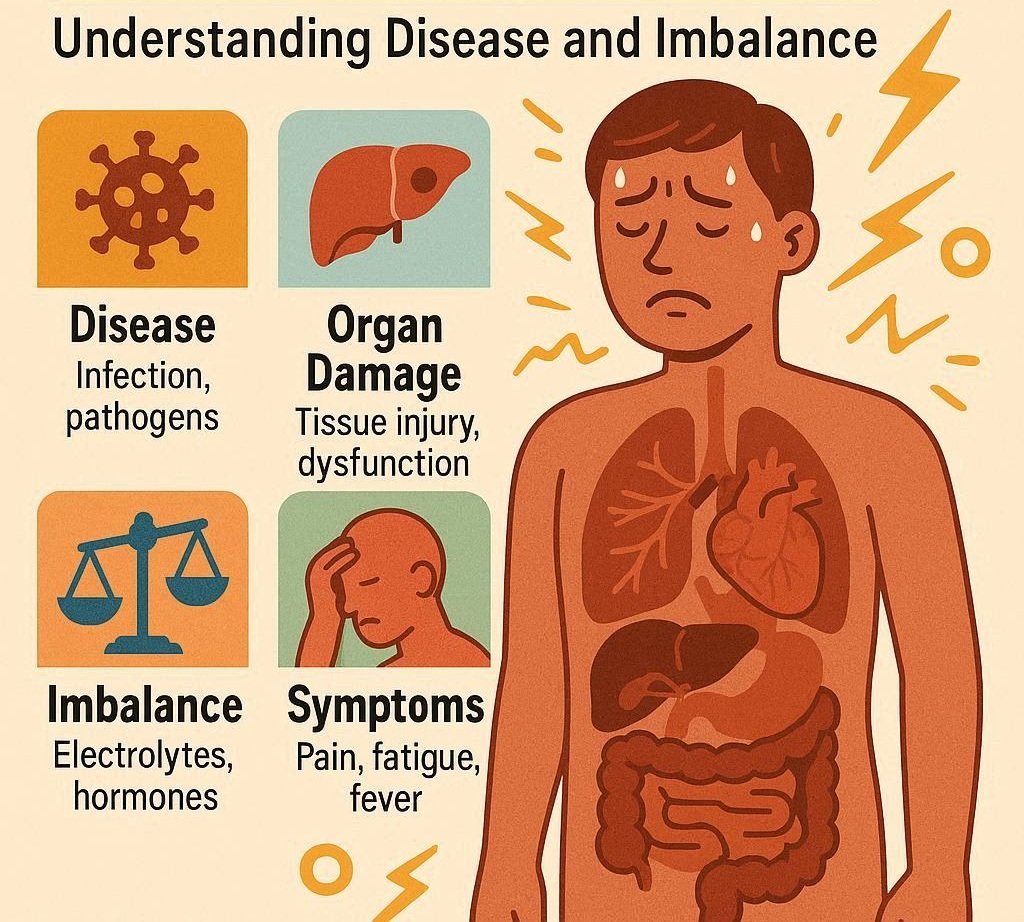
The human body functions in a very narrow, controlled set of internal conditions. Each organ, tissue, and cell in the human body is dependent on steady states for health and effective performance. This stability is what we know as homeostasis, a biological process that maintains things like temperature, fluid levels, blood sugar, pH, blood pressure and oxygen supply against a constant background of both internal and external change. During exercise, sleep, exposure to cold, stress, or dehydration the body is constantly working out ways to preserve this balance. Yet when our regulatory systems break down, get damaged, or simply stop responding well the results can be very serious from dysfunctions and illness to in extreme cases, death.
Disruption of homeostasis which is the base of life affects all body systems. We see that cells require a certain balance of water, nutrients, oxygen, temperature and pH to properly carry out their functions. When these balances go out of the normal range and stay out there the body begins to see physical stress. At first the signs may present as mild issues like thirst, fatigue, dizziness, or abnormal sweating. But should the imbalance persist we see to progress into more serious health issues such as dehydration, hypothermia, heat stroke, metabolic disorders, kidney failure, electrolyte imbalance and cardiovascular complications. It is important to study consequences of disrupted homeostasis and what diseases are related to this breakdown in order to recognize early warning signs and protect long term health.
Understanding Homeostasis and Internal Balance
Homeostasis is the body’s ability to regulate which which it maintains internal environment in a narrow healthy range. This includes a temperature of about 37°C, balanced blood sugar, proper hydration, normal oxygen levels, and very regulated pH.
The nervous system, endocrinological system, kidneys, lungs, skin, and circulation all play a role in this balance. For instance, at the onset of heat we see sweat. Upon eating which raises blood sugar levels, out comes insulin. When the body loses out on fluids we feel the thirst which in turn the kidneys do what they can to save water. When homeostatic control systems break down the process sets in. Once the body is unable to compensate we see organ systems fail.
Dehydration: A Homeostatic Disruption Result.
One of the most frequent results of homeostatic disruption is dehydration. Water is a requirement for circulation, nutrient transport, temperature regulation, digestion and waste elimination. When the body loses more of it than what is taken in through sweat, vomit, diarrhea, fever, or insufficient intake fluid balance is broken.
At first the body tries to compensate. The brain triggers thirst and the kidneys reduce urine output. Hormones like antidiuretic hormone (ADH) are released to conserve water. However as long as fluid loss is continuous the effects of disrupted homeostasis grow more serious. Blood volume begins to fall which in turn reduces circulation and oxygen delivery to tissues.
Symptoms may include:
- extreme thirst
- dry mouth
- weakness
- dizzines
- headache
- low blood pressure
- rapid heartbeat
- confusion
Severe cases of dehydration may cause kidney injury, shock and organ failure.
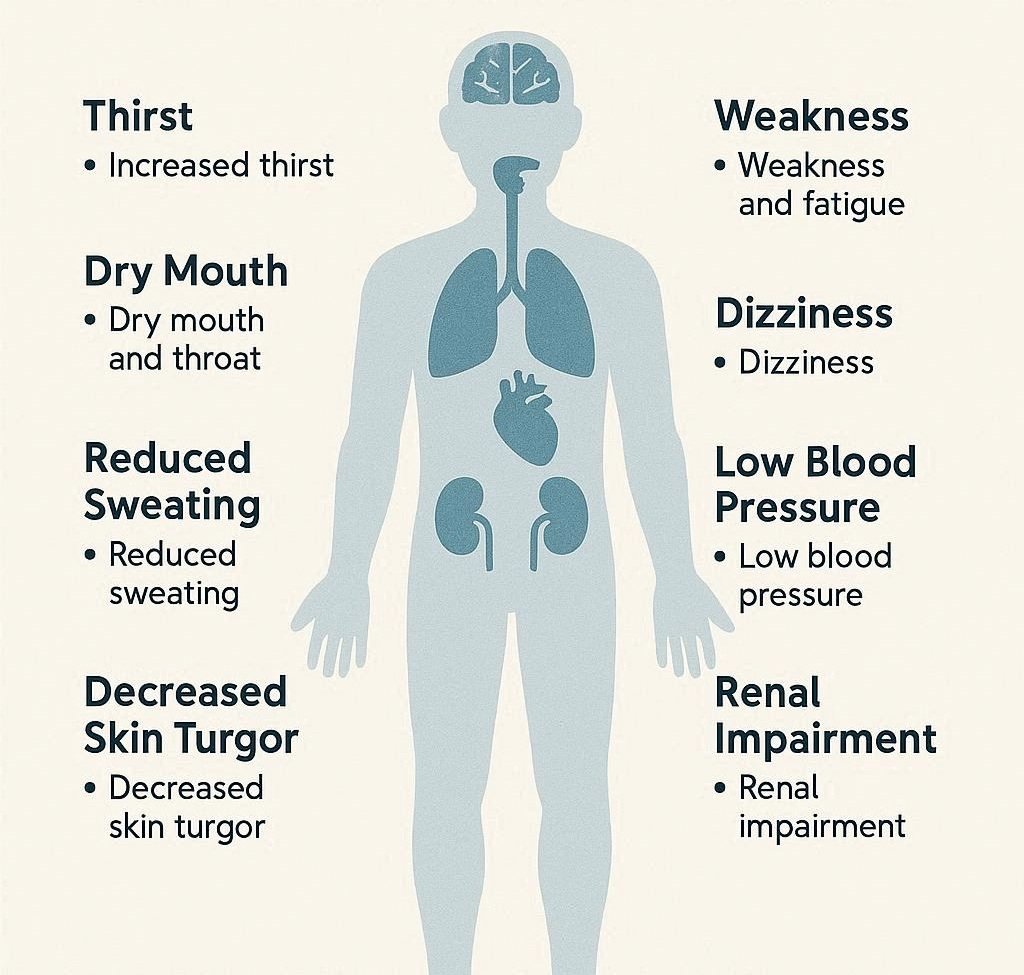
“Effects of homeostatic disruption in dehydration and fluid loss”.
Temperature Regulation Failure: Hypotermia and heat related issues.
Temperature regulation is another major example. The body is in a constant process of regulating internal temperature which it does via sweating, vasodilation, shivering, and vasoconstriction. Upon exposure to extreme cold the body produces heat via muscle contractions which we know as shivering. Also blood vessels at the skin surface close down to reduce heat loss, when this system fails, hypothermia occurs.
Hypothermia is a condition in which body heat loss outpaces production of heat. As internal temperature drops enzymes activity slows, nerve signaling breaks down and organs begin to poor in function. In hypothermia which is characterized by disrupted homeostasis we see slow heart rate, mental confusion, poor coordination, slurred speech and also loss of consciousness. In that regard we see that which does not address body cooling in extreme heat results in heat exhaustion or heat stroke which are also results of broken temperature homeostasis.
Metabolic Disorders and Blood Sugar Imbalance
One of the main results of homeostatic disruption is metabolic disease. Blood sugar levels have to fall within a very tight range which is required for cells to function for energy. This homeostasis is mainly achieved by insulin and glucagon.
When that which is supposed to regulate fails, we see the development of disorders like diabetes. In diabetes blood sugar levels are high which is a result of low or non responsive insulin.
This persistent imbalance leads to:
- fatigue
- excessive thirst
- frequent urination
- blurred vision
- slow wound healing
Over time diabetic related homeostatic disruption has been to nerve damage, kidney disease, eye problems and cardiovascular disease. This is a case of how imbalance leads to chronic illness.
Electrolyte Imbalance and Organ Dysfunction
Electrolytes that include sodium, potassium, calcium, and chloride are required for nerve function, muscle contraction, and heart rhythm. The kidneys and hormones control that very closely. when that balance is disrupted the results may include muscle cramps, weak muscles, irregular heart beat, confusion, and seizures.
For instance we see that low potassium levels can affect normal cardiac contractions which in turn increases the risk of serious arrhythmias. This is that some very small internal issues may have large scale results.
Cellular Damage and Tissue Stress
At the tissue level, results of disrupted homeostasis are very serious. Cells need a stable environment with respect to oxygen levels, pH, hydration, and nutrition. When homeostasis breaks down cells are unable to produce energy well. Enzymes function improperly, waste products build up, and repair processes slow, this can eventually cause inflammation, tissue damage and cell death.
For instance, due to dehydration which causes reduced blood flow oxygen delivery is decreased which in turn reduces ATP production and tissue damage. This is what we see as temporary imbalance progress into organ dysfunction.
Cardiovascular Consequences of Disrupted Homeostasis
The cardiovascular system is at great risk of internal imbalance. Low volume of body fluids results in low blood pressure and poor circulation. Electrolyte imbalance plays with the heart’s electrical rhythm.
The results of disrupted homeostasis in the cardiovascular system may see rapid heart rate, palpitations, poor blood flow, fainting, and in serious cases shock. The heart requires very specific internal conditions which if disrupted can quickly become dangerous.
Neurological Effects of Failed Homeostasis
The brain is a primary organ to be affected, even small degrees of imbalance may cause headaches, poor concentration, dizziness, and fatigue. More serious results of homeostatic disruption include confusion, disorientation, seizures, and loss of consciousness. This is true of dehydration, hypoglycemia, and temperature related disorders.
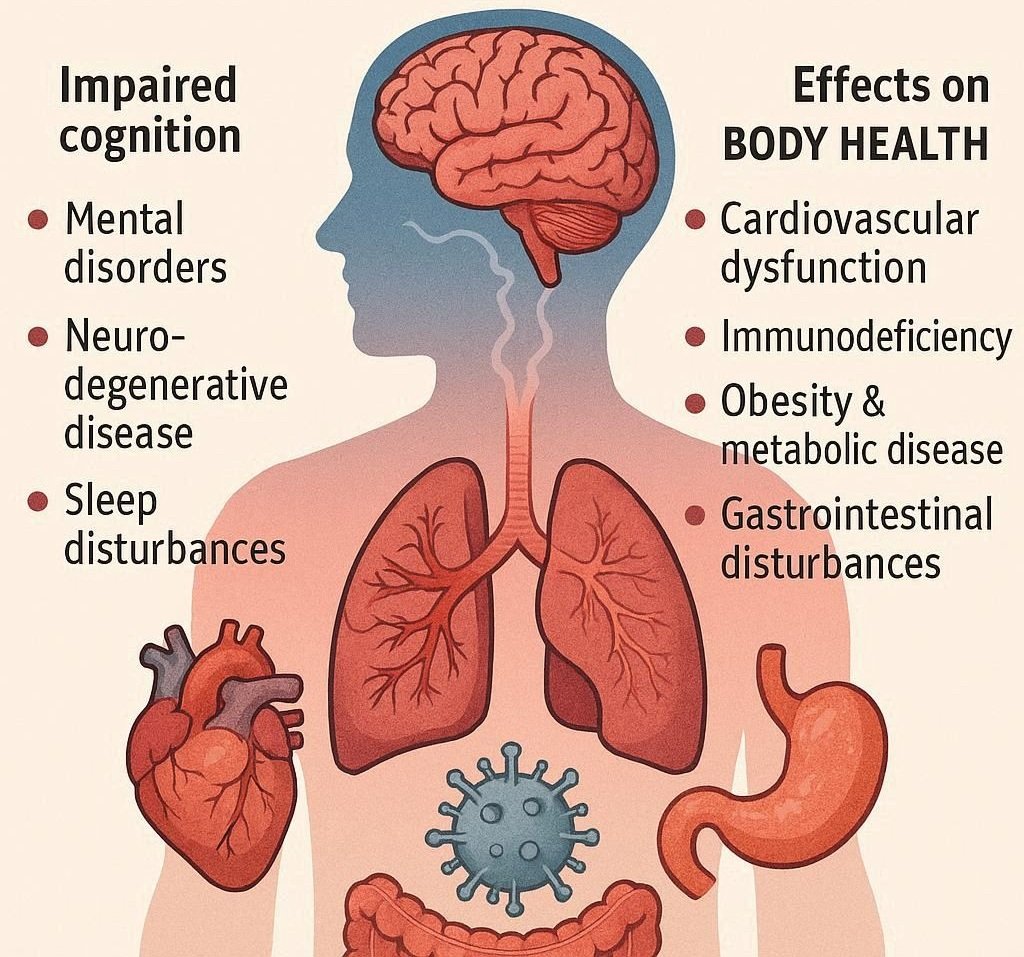
“Effects of homeostatic imbalance on brain and body health”.
Recognizing Early Warning Signs
Early detection is critical, some symptoms may be persistent thirst, atypical fatigue, dizziness, at atypical sweat response, muscle cramps, confusion, and to temperature which you are very sensitive to. Identifying these symptoms at early stage will prevent serious results of disrupted homeostasis.
Conclusion
Disruption of homeostasis may affect any of the body’s major systems which include that of fluid balance, temperature regulation, metabolism, circulation and brain function. What may start out as a minor internal issue can very soon turn into a serious health issue if not identified and treated. This is the case which is why it is important to see to it that you are well hydrated, eating properly, are within safe temperature parameters, and that you have regular health check ups.