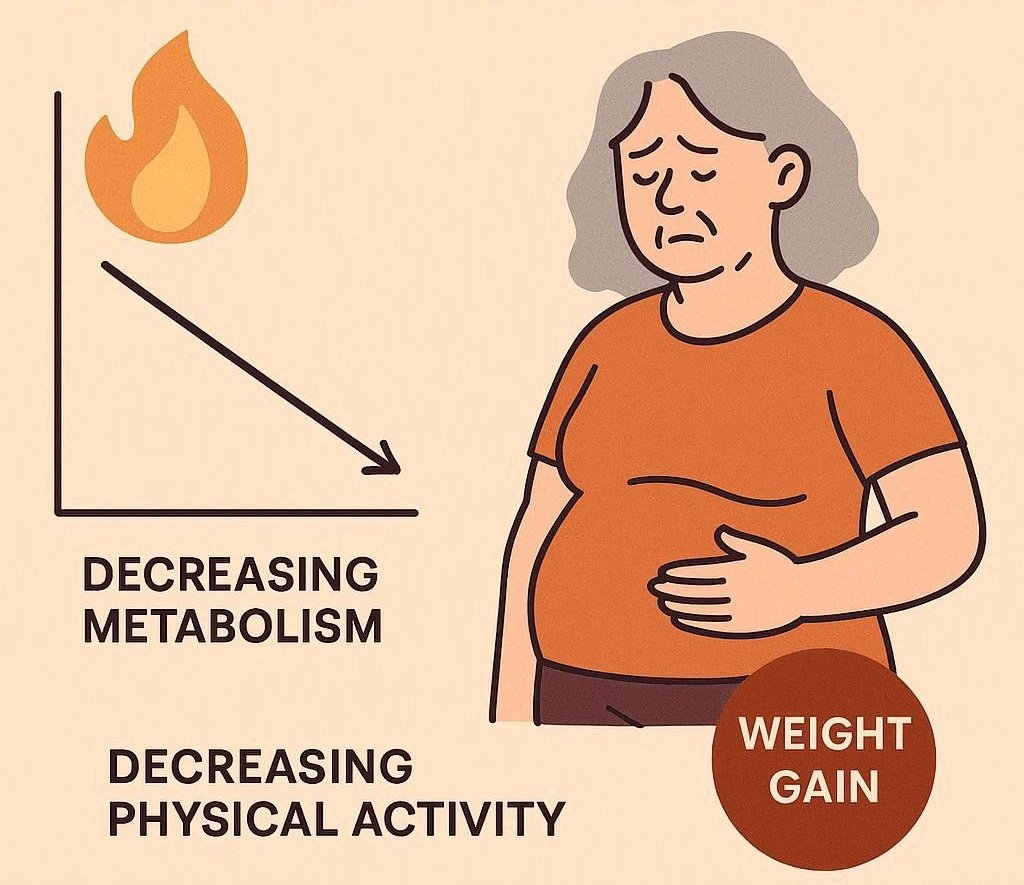
As a human being, there are numerous natural changes that accompany the aging process, and one of the most apparent to many individuals is the fact that it is so easy to put on weight compared to earlier. One that used to have a consistent weight of little effort may find that the same dietary practices and lifestyle are no longer working. This transformation is mostly associated with metabolic alterations, which naturally decrease with age. It is also necessary to know why this occurs in order to prevent the undesirable increase in weight and to maintain long-term health.
Metabolism is the term that describes the chemical reactions that the body undergoes to obtain energy stored in the food. These mechanisms drive breathing and circulation to movement and cell repair processes. There are various reasons as to why an increasing age causes a decrease in metabolism rate and some of these factors include loss of muscle, changes in hormones and decreased physical participation. All these changes combine to increase the ease with which excess calories can be stored in the body fat.
The positive aspect is that that metabolism is changing with age and this does not imply that weight gain is inevitable. With a healthy metabolism, achieved by a healthy diet, physical activity, and other supportive lifestyle practices, people can conserve energy balance and safeguard overall health. This article will discuss the reasons behind the slowing of metabolism as one ages and it will present some practical ways of remaining healthy and active in old age.
Learning about Metabolism and How It Works
The total biochemical reactions occurring in the body that keeps the body alive is known as metabolism. It entails the breakdown of food to energy and utilization of the energy to support daily activities. The body is constantly burning calories even when it is at rest to sustain important body functions like breathing, blood flow, digestion and thermoregulation.
Calories that are burned by the body when one is at rest is referred to as the basal metabolic rate, or BMR. This represents most of the everyday energy expenditure. Exercising and food breakdown is also associated with overall caloric expenditure.
Age, body composition, sex, genetics, and level of activity are some of the factors that affect the metabolic rate. Among these, the body composition is especially significant since muscle tissue burns more calories as compared to the fat tissue even when the body is at rest.
The metabolic process is directly influenced by the aging of the body, which causes a decrease in muscle mass and hormonal activity, which usually results in a slow decrease in the effectiveness in burning calories.
The reasons behind the slowing of metabolism as we age
The slowed down metabolism is one of the primary factors that make weight gain easier as a person becomes older. This change does not happen overnight but gradually develops over the years.
One of the biggest factors is the loss of lean muscle mass. Beginning as early as the thirties, most individuals start to lose muscle at a slow, but gradual pace particularly when they are not engaged in physical activity. Since it takes more energy to sustain a muscle tissue than it takes to sustain an amount of fat, losing a muscle also means that the body has less energy to burn in the day.
There is also a role of hormonal changes. Hormone levels of metabolism, muscle maintenance, and fat distribution start to change with age. The changes may influence the appetite, energy expenditure and fat storage by the body.
Another contributing factor is a lack of physical activity. Aging causes many individuals to lose their activity because of work schedules, change of lifestyle and physical constraints. When one is less active, the amount of calories being burnt on a daily basis decreases and this increases the chances of gaining weight.
The Contribution of Muscle atrophy to Metabolic Depression
One of the most notable causes of metabolism slowing down is muscle loss which is also known as age-related sarcopenia. The muscle is a metabolically active tissue, that is, it consumes a lot of energy when the body is not in motion.
With a loss in muscle mass, the resting energy requirements of the body also reduce. This implies that an individual can still consume the same quantity of food as previously consumed and use fewer calories and end up gaining fat slowly.
As an illustration, when one gains several pounds of muscle mass within the years without changing the amount of calories intake or activity, the difference in calories over time can be quite substantial. Even an excess of just a few pounds per day can lead to the observable weight gain in months and years.
That is why resistance training and strength-oriented exercise play a critical role in the delay of the age-related metabolism.

Hormonal Changes and Increased weight
Hormones are chemical signals that control most body functions such as metabolism, hunger and fat storage. Hormones naturally vary as individuals get older.
In men, testosterone can decrease slowly which can influence muscle mass and fat allocation. Reduced muscle strength and abdominal fat may be caused by lower testosterone levels.
Menopause in women can be accompanied by dramatic hormonal changes, primarily decreases in estrogen. These modifications may affect the body fat storage, which is usually more fats around the waist and hips.
The change in hormones may also affect the insulin sensitivity and appetite-regulating hormones. This can cause weight to be gained and difficult to lose.
Such changes are inherent, but their knowledge will empower people to make effective decisions to promote metabolic health.
Increased Energy Imbalance and Reduced Physical Activity
This decreased metabolism is even harder to maintain when there is less physical activity. One of the aspects of calories that can be controlled in daily expenditure is movement.
When individuals grow older, workload, family, or physical ailments can limit their time to exercise. Even simple actions like walking, climbing stairs, household chores can become diminished.
This decreased movement causes an energy imbalance in which there is more energy entering the body than leaving it. The surplus energy is stored in the form of fat in the long run.
Keeping up with all-day movement is as significant as exercise. Exercise, stretching, and keeping oneself physically active can go a long way in aiding metabolism.
Healthy Metabolism by the diet
Among the best methods of keeping a healthy metabolism by eating is concentrating on foods with high nutrient density which help in muscle retention, constant energy and hormonal balance.
Protein is particularly relevant due to the fact that it will aid in the maintenance of lean muscle mass and has a greater thermic effect than fats and carbohydrates. This implies that the body utilizes more calories in the digestion of foods that are rich in proteins.
Eggs, fish, lean meat, legumes, nuts, dairy products are foods that maintain muscle and satiate.
Grains, fruits and vegetables are whole grains and contain fiber and vital nutrient which assists in controlling blood sugar and digestion. Foods such as avocados, seeds, and olive oil are healthy fats that aid hormone production and long-term energy.
Another significant aspect is hydration. Even slight dehydration may decrease efficiency of metabolism and the energy level.
The Benefits of Resistance Training
One of the most efficient measures in protecting metabolism with aging of the body is resistance training. Strength training is a way of maintaining and adding muscle bulk; this is unlike cardio only.
Bodyweight squats, resistance bands, weight lifting and push-ups are some of the exercises that stimulate muscle growth and enhance strength. Even two-three sessions a week can be a big difference.
Preservation of muscle helps in raising the resting metabolic rate implying that the body is still able to burn calories despite resting.
Bone density, balance, and functional mobility are also enhanced by resistance training, which is particularly beneficial as people get older.

Exercise practices that contribute to energy balance
Other lifestyle practices aid a healthy metabolism besides diet and exercise.
One of the most important is sleep. Lack of sleep has an influence on hormones that control hunger and fullness, usually raising cravings and hunger. Sleep deprivation may also cause a decrease in energy levels, which may decrease the likelihood of physical activity.
Management of stress is also crucial. Chronic stress increases the levels of cortisol which can stimulate fat storage especially in the abdomen.
The timing of regular meals may also be useful to maintain energy balance. Missing meals can result in an increase in the consumption of food in the afternoon and fluctuation in energy.
Regularity in everyday activities involving sleep, exercise, nutritious diet, and reducing stress form a favorable metabolic health environment.
Avoiding Age-Related Weight Gain
To avoid weight gain with age, it is necessary to be aware and consistent and not to diet excessively. Sustainable changes are usually small, and can have the best long-term outcomes.
Listening to the amount of food, focusing on protein, being active, and muscle building are useful strategies to minimize effects of slowing metabolism.
Rather than simply concentrating on weight, it can oftentimes be more beneficial to concentrate on body composition, strength, and other health indicators.
Routine health examinations can also serve to check the metabolic health, hormones, and underlying conditions that are likely to influence the weight.
Benefits of Supporting Metabolism (Long-term)
A healthy metabolism is beneficial in a lot more ways than being overweight. It helps to increase energy levels and improve mood, build strong muscles and decrease risk of chronic disease.
By staying metabolically healthy, it is possible to reduce the chances of obesity, diabetes, cardiovascular disease, and decreased mobility in adulthood.
It also enhances the quality of life as it promotes independence, strength, and physical confidence.
Conclusion
It is easy to gain weight as one ages since the metabolism tends to slow down due to loss of muscles, change of hormones and physical activity. This is however not an indication that one cannot gain unwanted weight.
With proper lifestyle habits such as good diet, resistance training, restful sleep and good metabolism, one can safeguard his health and energy in old age.
It is consistency and not perfection. Small daily practices including enough protein consumption, activity level and maintenance of muscle mass can considerably transform over time.