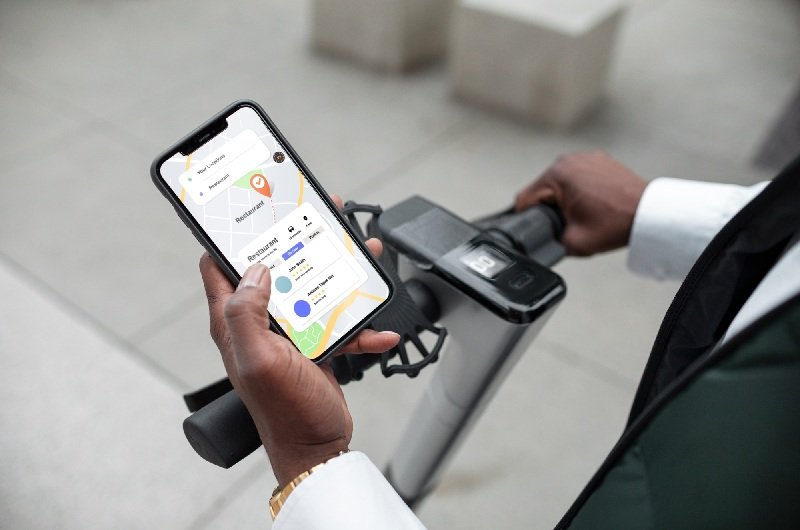
If you have ever noticed that your delivery arrived earlier than expected, or that a courier managed to drop off packages to your entire street within the same hour, route optimization is likely behind it. It is not magic. It is software doing a job that used to take experienced dispatchers hours to plan manually and doing it in seconds.
The way deliveries get planned has changed quite a bit over the last few years. What used to depend heavily on a driver’s memory of the local area and a printed list of stops has been replaced by systems that calculate the most efficient path through dozens or even hundreds of addresses before the vehicle even leaves the depot.
What Route Optimization Actually Does
At its core, route optimization solves a sequencing problem. A driver has 60 stops to make. In what order should those stops happen so the total distance is minimised, the fuel used is lowest, and the deliveries that need to happen before a certain time actually do? A human can make a reasonable attempt at this. Software does it far better, and far faster.
Modern route optimization tools pull in data from multiple sources simultaneously. Live traffic feeds show where congestion is building right now. Historical data shows which roads tend to slow down at which times of day. Customer time windows some recipients are only available in the morning, others prefer afternoon get factored into the sequence. Vehicle capacity, break times for drivers, even the location of fuel stops all go into the calculation.
The result is a route that is not just efficient at the start of the day but adjusts as conditions change. If an accident blocks a road mid-morning, the system reroutes affected drivers automatically. Stops get reordered, estimated arrival times update, and the customer gets a new notification. The driver does not need to figure this out on their own.
Why This Matters for Delivery Times
The obvious benefit is speed. A better-sequenced route means less time driving between stops and more time actually making deliveries. But the impact on delivery times goes beyond just moving faster.
One of the biggest causes of slow deliveries is not the journey itself it is failed attempts. A driver arrives at an address, nobody is home, the package goes back to the depot, and the whole process repeats the next day. Route optimization reduces this by giving drivers accurate estimated arrival windows that they can share with recipients in advance. If you know your delivery is coming between 2pm and 4pm, you can plan around it. That cuts failed attempts significantly.
There is also the matter of last-mile efficiency. The final stretch of a delivery from a local depot to the recipient’s door is consistently the most expensive and time-consuming part of the whole logistics chain. A package might travel hundreds of kilometres without issue and then sit at a local facility for an extra day because the last-mile routing is inefficient. Better route planning at that stage has more impact on the overall delivery experience than improvements anywhere else in the chain.
The Effect on Businesses That Ship Regularly
For businesses that ship products daily, route optimization is not just about speed. It directly affects costs. Fuel is a significant operating expense for any courier fleet. More efficient routes mean less fuel per delivery, which matters whether you are running five vehicles or five hundred.
Vehicle maintenance costs drop too. Less unnecessary driving means less wear on tyres, brakes, and engines. Over a fleet of vehicles across a full year, this adds up to a number worth paying attention to.
There is a customer satisfaction angle as well. Deliveries that arrive within the promised window, with accurate tracking that reflects real-time progress, build trust in a way that unpredictable delivery times do not. Businesses that use courier partners with strong route optimization tend to see fewer customer complaints about late or missed deliveries. If you want to check how a shipment is progressing in real time against its planned route, a service like Anjani Courier Shipment Tracking gives you that visibility without needing to contact the courier directly.
How It Has Changed the Driver’s Day
It is worth talking about what this looks like from the driver’s side, because it is not just a backend change. Drivers used to spend time at the start of each shift reviewing their stop list and mentally mapping their route. Experienced drivers got good at it. New drivers took much longer to reach the same level of efficiency, and some never quite got there.
Now the route is handed to them through an app. Turn-by-turn navigation, stop sequencing, customer contact details if a recipient needs to be called it is all in one place. The cognitive load of planning is removed, which means drivers can focus on the actual job rather than logistics decisions they were never really trained to make.
This also reduces the performance gap between new and experienced drivers. A new driver following a well-optimized route can match the efficiency of someone who has been doing the same run for three years. For courier companies dealing with high staff turnover which is common in the industry this consistency has real operational value.
What Recipients Actually Experience
From the customer side, the most noticeable change is the accuracy of delivery windows. Getting a message that says your package will arrive “today” is not very useful. Getting one that says it will arrive between 11am and 1pm, and then having it actually show up in that window, is a different experience entirely.
Real-time tracking that reflects where a driver actually is not just what facility the package last passed through has become something people expect now. Using a reliable courier tracking platform means you can watch a delivery progress through its final stops and know roughly when to be available, rather than hovering near the door for four hours.
Route optimization is one of those changes that works quietly in the background. You do not see the algorithm running. You just notice that deliveries are more predictable, drivers seem to know exactly where they are going, and the estimated time on your tracking page turns out to be accurate more often than not. That reliability is what it actually produces.


This is my first time pay a quick visit at here and i am really happy to read everthing at one place