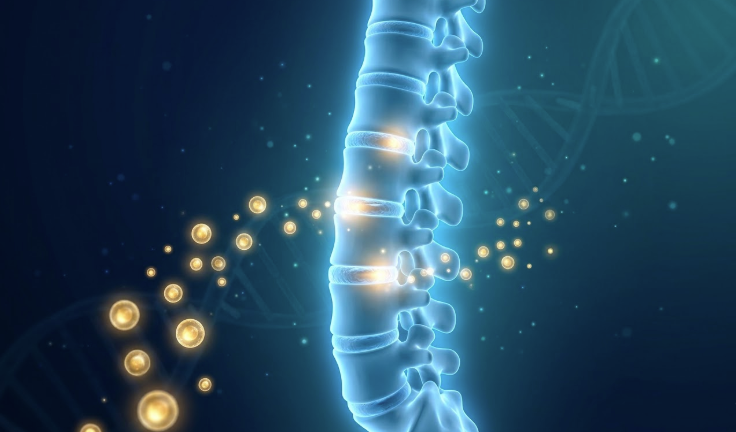
Back pain is one of the most common reasons people look for advanced treatment options, especially when rest, exercise, and medications are not giving lasting relief. For the majority of individuals with Back Pain, interest in the use of Stem Cell Therapy is on the rise. This type of treatment uses your body’s own healing processes as a primary focus and therefore; it is more likely to give you some real results. However, before you make a choice about whether or not to use Stem Cell Therapy for your Back Pain, you need to know what the limitations are in addition to any significant advantages it may have to offer you.
Stem Cell Therapy uses the body’s natural measures for healing in order to improve the process of rebuilding the damaged tissue through the regenerative properties of the body on its own. This regenerative option is typically used for muscle, ligament, disc, joint, and tissue related pain and may be used in conjunction with other more conservative treatment modalities for individuals seeking a more comprehensive approach to healing.
How Stem Cell Therapy May Help Back Pain
In relation to back pain, one of the most common reasons individuals will consider the use of Stem Cell Therapy is the potential for the source of the injury to be treated rather than focusing on just providing short term pain relief. The goal is to stimulate and encourage the repair of tissue that has been damaged by chronic degeneration, athletics, repetitive motion injury or an inflammatory process.
Another potential benefit is the reduction of inflammation in the back that can exacerbate and create mild to great amounts of pain for the patient. Inflammation can place pressure on the surrounding structures and lead to pain and severe limitations of mobility over time. Reducing this level of inflammation can often lead to an improvement in comfort levels and mobility over time, making the activities that people participate in on a daily basis much easier to do whether sitting at work, walking or bending over or lifting things up.
Many individuals will also find that the use of Stem Cell Therapy fits into the realm of conservatively managing the injury. Therefore, an individual may explore Stem Cell Therapy as an option for finding a non-surgical or delaying surgical options. For those who are trying to support long term function, it may be one piece of a larger recovery plan that includes movement, posture correction, and healthy lifestyle habits.
Another important benefit is personalization. Back pain does not have one single cause, which means treatment should not follow a one size fits all approach. An individualized personal health and wellness plan will help to decide if regenerative care is the appropriate option based on a patient’s symptoms, history, and personal goals.
Limitations to Keep in Mind
While Stem Cell Therapy has significant potential, it is not the solution for every type of back pain. Regenerative Medicine has limitations that may affect how successful the therapy is in treating a patient. Results from stem cell therapy can differ substantially among various patients, with some patients experiencing success and others not experiencing a corresponding amount of success. Factors affecting success include: the underlying problem, the severity of that problem, and the rest of the patient’s health. If there is major nerve compression, severe instability, or a serious anatomical issue, regenerative treatment alone may not be enough. In those cases, a specialist may recommend other options.
Another limitation of Stem Cell Therapy is that it may not be the best option for persons with advanced spinal degeneration or other conditions that are serious enough to require surgical intervention by an experienced specialist.
In these instances, the patient will be directed towards other options by their specialist. It is also important to understand that Stem Cell Therapy is not an immediate process for all patients. While some patients will expect to receive their results as soon as they receive their treatment, it is critical to keep in mind that it may take an extended amount of time for your body’s systems to respond to the treatment due to the regenerative healing process taking time, and to experience improvements over a time frame of weeks to months. This can be difficult for patients expecting to have fast results from the therapy.
Cost is also an important consideration; also, the cost of stem cell therapy may vary based on the facility and method of treatment used. The patient should also be aware that their insurance may not cover regenerative medicine in some situations. Therefore, it is critical for patients to ask the facility and medical professionals any questions about insurance coverage before going forward with the treatment plan, as well as understand what is or is not included in the treatment plan.
Not all clinics, including every total wellness medical center, provide the same level of competence. It is essential for the patient to pick a competently qualified expert provider that they can trust to provide them with hope through a well-established and systematic means of developing reasonable expectations, adequate patient education, and comprehensive assessment of the patient’s condition, rather than providing promises to solve the problems presented by the patient.
Who May Be a Good Candidate
Individuals suffering from chronic back pain (vague), mild to moderate inflammation-related discomfort, or particular types of soft tissue injuries may be good candidates for discussing their options with their physician about this emerging area of regenerative medicine. Others who may find this appealing are those searching for alternative options in addition to conventional or unsuccessful physical therapies to help them regenerate tissue or support healing after they have failed other conservative means of treatment.
Some patients looking into other forms of wellness services, like Stem cell therapy for hair, are already somewhat familiar with the broader area of regenerative medicine; however, they should continue to seek treatment for the specific problem for which they are being treated. It is important to realize that back pain and hair restoration are two totally different problems that will need an individualized approach to each issue.
The Best Results Come from a Bigger Picture
The strongest outcomes often come when treatment is part of a complete approach. That means combining medical guidance with movement, nutrition, posture support, stress management, and long term healthy habits. Stem Cell Therapy may play an important role, but it works best when the rest of the care plan is also working in the patient’s favor.
For anyone dealing with persistent back pain, the first step is learning what is causing the problem and whether regenerative medicine is appropriate. With the right guidance, patients can make informed choices and choose the path that best supports healing and daily comfort.
FAQ
1. What is Stem Cell Therapy for back pain?
It is a regenerative treatment that uses healing cells to support repair in damaged tissues and help reduce inflammation related to back pain.
2. Is Stem Cell Therapy safe?
When performed by qualified professionals, it is generally considered a low risk option, but every treatment should be reviewed based on the patient’s health condition.
3. How long does it take to see results?
Results vary. Some people notice changes within a few weeks, while others may need more time as the body responds gradually.
4. Can Stem Cell Therapy replace surgery?
Not always. It may help some patients avoid or delay surgery, but it is not a substitute for surgical care when there are serious structural problems.
5. Who should consider this treatment?
People with chronic back pain, inflammation, or certain soft tissue injuries may benefit from a medical consultation to see whether they are good candidates.
6. Does insurance cover it?
Coverage varies, and many plans may not fully cover regenerative treatments. It is best to confirm with the provider and insurance company.
7. Why is a wellness plan important with this treatment?
A healthy lifestyle, exercise support, and a personal health and wellness plan can improve overall outcomes and help maintain long term spinal health.