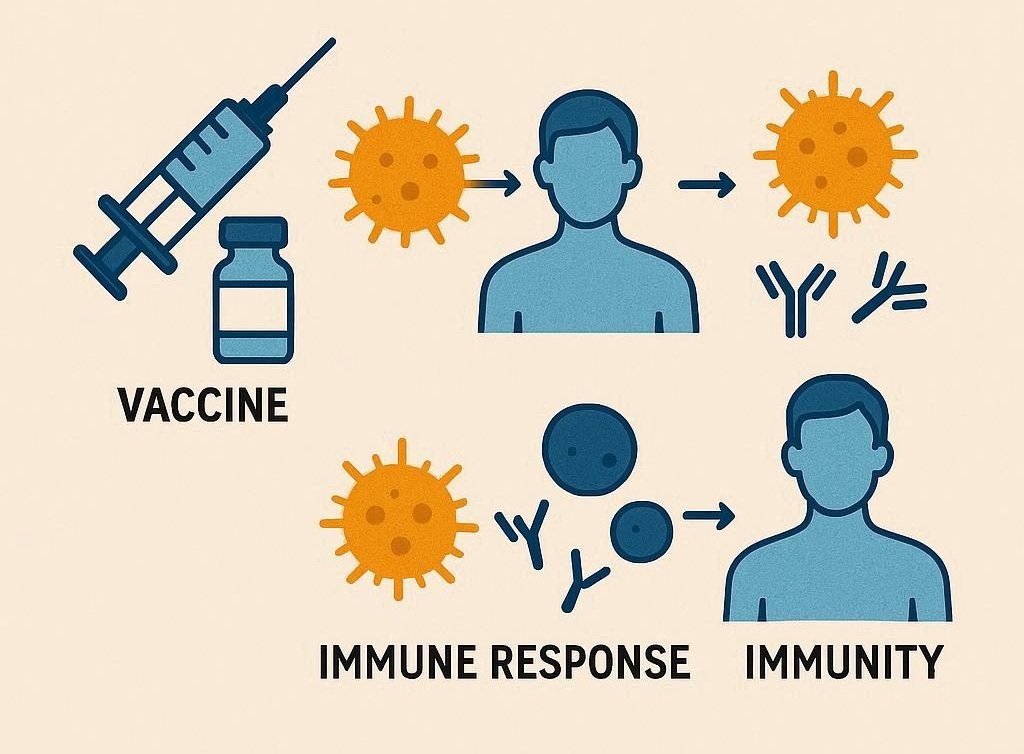
Vaccination is a great achievement in the field of medicine which has had a very large role in reducing the spread of disease and in health protection. Vaccines get the body’s defense system trained to identify and combat what could be serious illness, but in fact the illness does not occur. By that which is done, vaccines bring about individual immunity, also in a very safe and different way.
In the case of vaccines what we see is the body’s natural response to pathogens put into play. At the time of an infection the immune system reacts by which it produces antibodies and memory cells for long term protection. What vaccines do is they replicate this by introducing into the system non harmful elements of a pathogen which in turn causes the immune system to develop a defense against that which without have to go through the full disease.
Understanding the science of vaccines is key to see their value in disease prevention and global health. In this article we look at what goes on in the science behind vaccines, how they react with the immune system, and also why they are so important for public health.
What Are Vaccines?
Vaccines which are biological products that we use to produce immunity to certain diseases. They include weakened or inactivated forms of a pathogen as well as some of its components like proteins or genetic material. While they do not cause the disease itself these components are enough to trigger an immune response.
When a vaccine goes in the immune system identifies the new material as foreign and it begins to produce antibodies. Also this process results in the formation of memory cells which stay in the body and provide long term protection.
Vaccination programs put in extensive research and testing which ensures their safety and efficacy. They also are a key tool in the prevention of the spread of infectious diseases and the reduction of outbreak severity.
The Immune System and Vaccine Response
Vaccines’ success is a result of the immune system which identifies and reacts to foreign elements. The immune system is made up of a network of cells, tissues, and organs that work as a team to protect the body.
When a vaccine is presented immune cells recognize the antigens it contains. The antigens cause a response which in turn sees B cells and T cells activated. B cells put out antibodies which in turn seek out the antigen, at the same time T cells play a role in regulation of the immune response and in the destruction of infected cells.
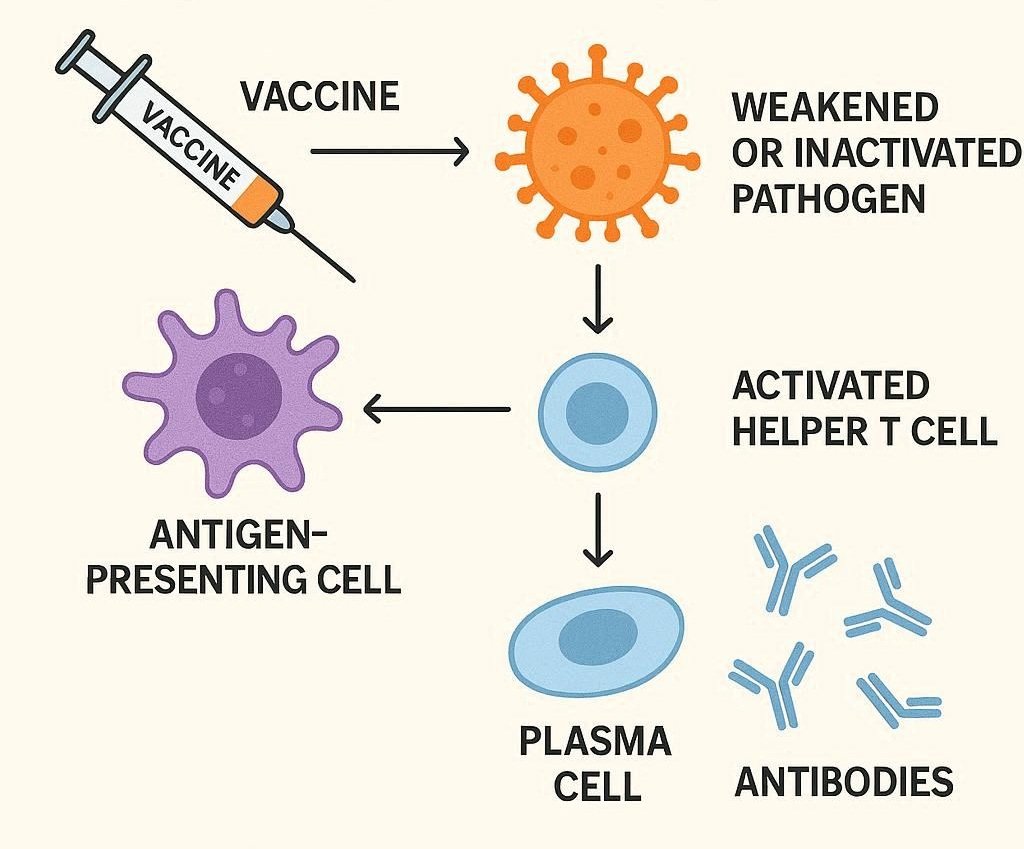
This coordinated response which sees the body develop immunity without experience of the disease. What makes vaccines effective for long term protection is the immune system’s ability to remember the antigen.
Types of Vaccines
There are different kinds of vaccines which in turn cause the immune system to react in many ways. These differences enable scientists to put together vaccines for a large variety of diseases.
- Live Attenuated Vaccines
Live reduced dose vaccines which have a weak form of the pathogen. Also these vaccines produce strong and durable immune response as they mimic natural infection very well.
- Inactivated Vaccines
Inactivated vaccines of which the pathogens have been killed or put out of action are what we have. Although they are safe for certain groups they may still require many doses to achieve full immunity.
- Subunit and Conjugate Vaccines
These vaccines which include elements of a pathogen like its proteins or sugars bring about an immune response. They are very targetted which in turn reduces side effects.
- mRNA Vaccines
MRNA vaccines introduce genetic material that causes cells to produce a trace of the pathogen which in turn elicits an immune response.
How Vaccines Create Immune Memory
In terms of vaccination what we see is the development of immune memory. Upon administration of a vaccine the immune system is left with a sort of memory of the pathogen which in turn forms memory cells.
These immune cells cause the body to respond faster and more powerfully when it is introduced to the same pathogen again in the future. This quick response stops the infection in its tracks or at least lessens its degree.

Immune system memory which is what enables vaccines to give long term protection sometimes for a lifetime.
Vaccination’s Role in Public Health
Vaccination is a key element in individual protection which also has great benefit to community health. When we see large sections of the population get vaccinated what we are also seeing is the establishment of herd immunity.
Herd protection for people that can’t be vaccinated in which some have health issues. Also it plays a role in the prevention of outbreaks and the return of what we have brought under control or done away with.
Vaccination programs have brought down the rate of many infectious diseases which in turn proves their value in public health.
Factors That Influence Vaccine Effectiveness
Vaccine effectiveness can be affected by a number of factors which include age, health in general, and the strength of the immune system. In individuals with weak immune systems we see a reduced response to vaccines.
Proper care in the storage and handling of vaccines is also a key to their effectiveness. Vaccines have to be maintained at the proper temperature for their stability.
Booster doses of vaccine are sometimes required to maintain immunity over time. Also these additional doses strengthen the immune response and ensure continuous protection.
Addressing Common Concerns About Vaccines
Though we see great results from vaccines they do run into issues of concern and misconception. It is true that which which may not be known to the public is the fact that vaccines go through in depth study and monitoring for safety.
Side effects of vaccines usually are mild and of short duration like soreness at the injection site or a low grade fever. Severe side effects are rare and health authorities are on top of them.
Vaccination is a very safe option which in fact it does not do what most people think it does, it in fact saves lives by preventing severe cases and the incidence of what used to be common deadly diseases. Also the health care system is much better off without the burden of treating preventable conditions.

Maintaining a robust immune system which in turn improves vaccine efficacy. Through proper diet, regular exercise, and sufficient sleep we see put forth the elements which improve immune response.
A healthy diet is key to what the immune system requires, at the same time physical activity improves circulation and health. Sleep is that which allows the body to recover and also supports immune process.
Through adoption of healthy practices individuals can see great results from vaccines and also maintain strong immune health.
Conclusion
Vaccination is a great tool in the war against infectious diseases which also happens to be a safe and effective means to develop immunity without instance of illness. They put the immune system to work and also create memory cells which in turn gives us long term protection and also helps to put a stop to disease spread.
Knowledge of how vaccines function brings to light their value in both personal and public health. Through continuous vaccination efforts and informed choice, individuals can protect themselves and put in to action the better health of their communities.