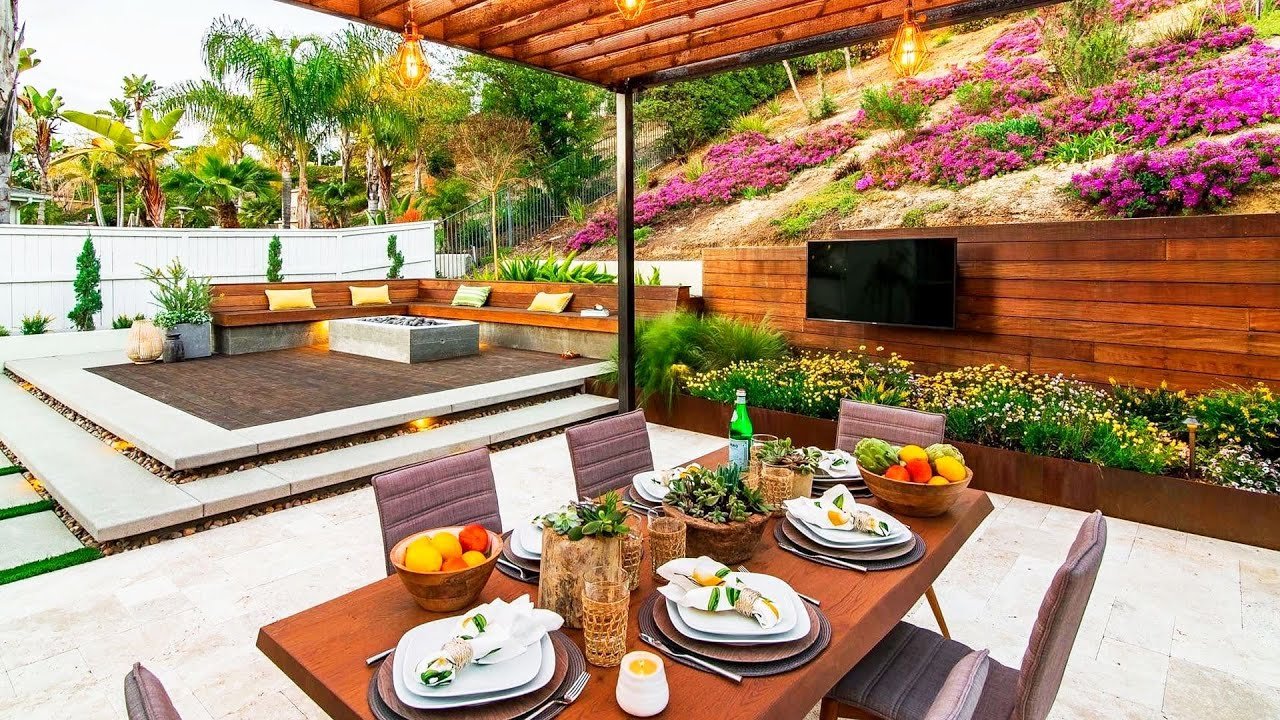
Outdoor spaces have become more than places to sit or entertain. They are extensions of daily life, areas where people pause, slow down, and reconnect with both one another and the natural world. Outdoor dining settings play a central role in this shift. They encourage people to gather, share meals, and spend unhurried time outside. What might begin as a simple table and chairs often becomes the heart of an outdoor space, shaping the atmosphere and guiding how time is spent.
Across Australia, where long evenings, mild transitions between seasons, and open backyards are part of everyday life, outdoor dining settings serve as natural meeting points. They bring comfort to patios, decks, gardens, and courtyards while supporting a lifestyle that blends indoor ease with outdoor appreciation. Their influence reaches beyond meals. They support moments of rest, quiet conversation, and the small rituals that give outdoor spaces their purpose.
A Place That Encourages Gathering
The presence of an outdoor dining setting naturally draws people together. Unlike living room furniture, which can feel inward and enclosed, outdoor arrangements feel open and relaxed. They invite people to sit, share food, and talk without the distractions of indoor life. The setting becomes an anchor around which connection forms.
This is particularly noticeable when the space is designed thoughtfully. A table large enough for shared meals encourages lingering. Comfortable chairs help guests settle in rather than shift around. Soft lighting, whether from lanterns or nearby ambient light, creates a warm, inviting atmosphere.
Outdoor dining settings foster connection by blending comfort with openness. They allow gatherings to feel less formal yet more meaningful.
Shaping the Rhythm of Slow Living
Slow living is less about doing nothing and more about doing things with intention. Outdoor dining settings encourage this shift by creating a space where people naturally slow down. Meals are eaten more patiently. Conversations last longer. The view of the garden or surrounding landscape becomes part of the moment.
In many homes, the dining table outside becomes the favourite spot for morning coffee. It becomes the place where children do homework while a parent prepares dinner nearby. It becomes a quiet reading space during late afternoons. Slow living is shaped through these small, repeated moments that the outdoor dining setting supports effortlessly.
The open air deepens this feeling. The pace of life naturally adjusts when meals are paired with fresh air, natural light, and the sounds of birds or distant movement. Outdoor dining settings support these experiences by providing comfort in a setting that is already rich with sensory detail.
How Design Influences the Outdoor Experience
The design of an outdoor dining setting plays a significant role in shaping the experience of the space. The choice of materials, scale, colour, and texture affects not only how the area looks but also how it feels.
Timber brings warmth and pairs well with plants and garden surroundings. It ages gracefully and blends into natural settings. Aluminium offers clean lines and works well in contemporary spaces, especially in coastal regions where durability is essential. Woven materials create softness and complement relaxed outdoor living. Stone or composite tabletops provide strength and visual grounding.
Each material influences the character of the dining area. The right design supports the outdoor environment rather than competing with it. When the table and chairs feel in harmony with their surroundings, the space becomes more inviting and more frequently used.
Proportion matters as much as material. A large table suits spacious patios, while smaller balconies may benefit from compact or round tables that allow movement around them. Comfort-driven seating shapes how long people stay. Cushioned chairs, curved silhouettes, or supportive backrests all contribute to how natural the space feels.
Design has a quiet but lasting influence on how people interact with the outdoors.
Connecting with the Outdoors Through Daily Rituals
Outdoor dining settings support the rituals that shape daily life. These rituals are often simple. Morning coffee in the sun. A weekday dinner when the weather allows. A weekend breakfast that becomes the highlight of the day. A quiet moment in the evening with a book or the gentle glow of nearby lighting.
These everyday habits influence how deeply people feel connected to their outdoor environment. They create a sense of belonging within the space. Over time, the outdoor dining area becomes more than a place to eat. It becomes a place to slow down, step outside routine, and enjoy the small details that often go unnoticed indoors.
The more these rituals take place, the stronger the connection becomes.
How Outdoor Dining Encourages Time in Nature
Nature has a calming effect on the mind, and outdoor dining settings help people experience it more often. Bringing daily routines outdoors naturally increases exposure to fresh air, greenery, and sunlight. This contributes to physical and mental well-being.
Even in urban areas, the simple act of eating outdoors brings a sense of openness. Plants, natural textures, and surrounding space create an environment that feels restorative. For homes with gardens, the dining setting becomes a front row seat to seasonal changes. For smaller spaces, it becomes a way to bring nature closer.
Outdoor dining settings highlight how accessible nature can be when incorporated into everyday life.
Balancing Practicality and Comfort
Creating an inviting outdoor dining area relies on understanding both practicality and comfort. Practicality ensures the furniture stands up to weather, sun exposure, and regular use. Comfort ensures the space supports long hours spent outdoors.
Shade plays a strong role in shaping comfort. Trees, umbrellas, or pergolas provide relief from direct sunlight, allowing the space to be used throughout the day. Soft and supportive seating encourages people to stay longer. Easy-to-maintain table surfaces ensure the dining setting remains ready for spontaneous use.
Practical elements build the foundation. Comfort encourages lasting enjoyment. When both are balanced, the outdoor dining area becomes one of the most used spaces in the home.
A Space That Evolves with the Seasons
Outdoor dining settings adapt naturally to seasonal changes. During warm months, they become a central hub for gatherings. In cooler seasons, they remain usable with the addition of outdoor heaters, cushions, or layered textiles. Seasonal plants, lanterns, or decorative pieces help refresh the area without significant changes.
This adaptability strengthens the connection between indoor life and outdoor living. It allows the space to evolve while maintaining its purpose throughout the year.
Where Outdoor Living Meets Intentional Design
Outdoor dining settings do more than fill a space. They shape how people gather, relax, and connect with their surroundings. They bring purpose to patios, decks, and gardens by anchoring experiences that naturally unfold outside. These moments of connection, stillness, and shared time reveal why outdoor dining settings are so important in modern living.
For readers interested in outdoor furniture that enhances connection and easy living, Shopica offers options designed for outdoor living, allowing them to explore pieces that naturally align with their own spaces.