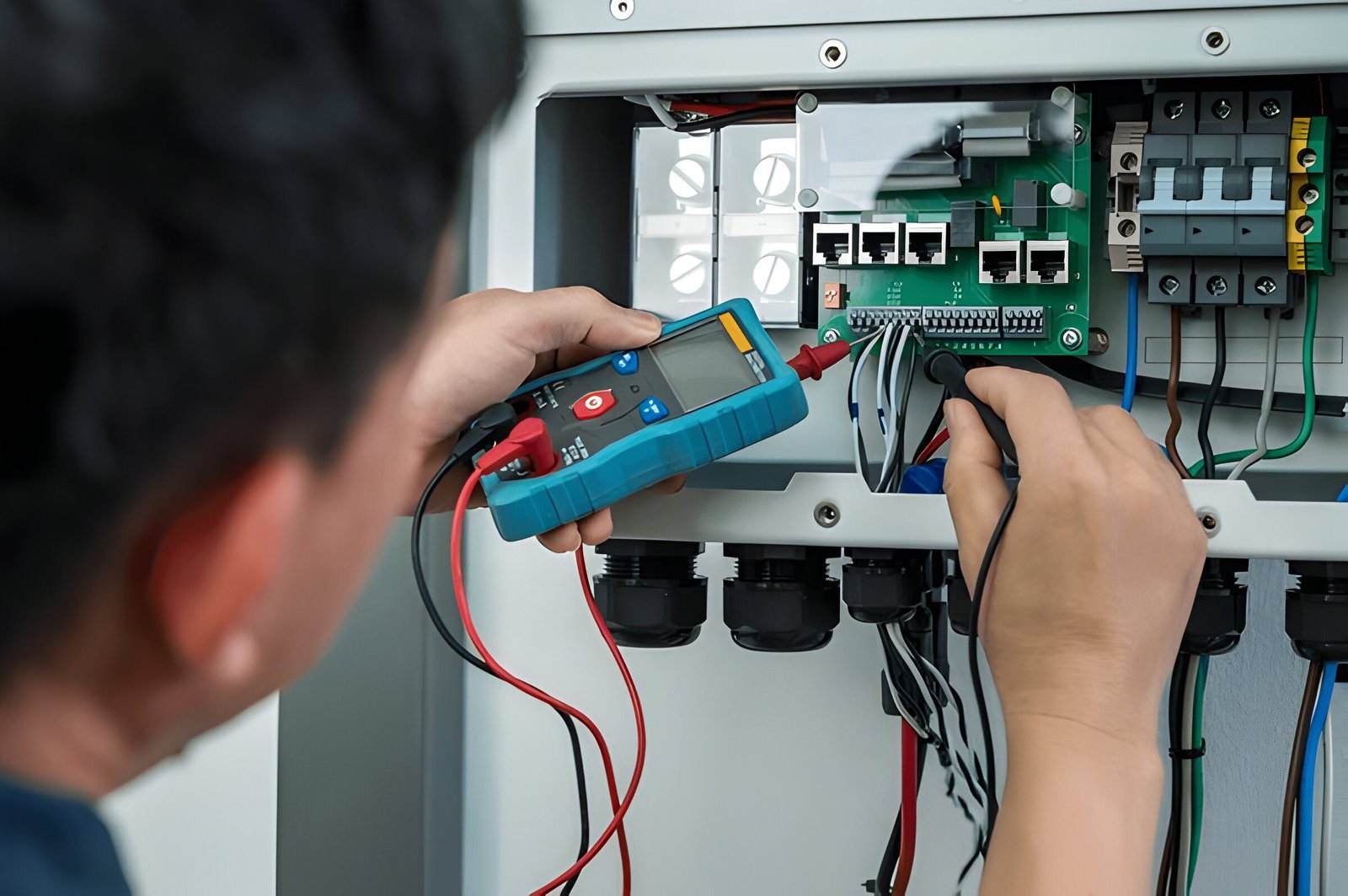
Most people don’t think about their home’s electrical system until something goes wrong. A flickering light here, a tripped circuit breaker there—it’s easy to ignore the small signs because everything still works. But much like maintaining a car or keeping your workplace equipment in good shape, taking care of your electrical system is one of the simplest ways to protect your home and the people in it. When done right, professional electrical work doesn’t just fix problems; it prevents them and helps you save energy in the long run.
In an age when households depend on everything from smart appliances to charging stations, reliable electrical support has become just as important as a sturdy roof or a clean water supply. And as technology becomes more advanced, the role of a trained electrician becomes even more essential.
Why Electrical Safety Matters More Than You Think
Electricity is one of those things that works quietly in the background, powering all the comforts we rely on daily. But when something goes wrong, the consequences can be serious. Electrical fires, overheating appliances, and faulty wiring are risks that can arise from systems that haven’t been checked or updated in years. What makes this more challenging is that many electrical issues aren’t visible—you don’t see frayed wires behind walls or overloaded circuits until the damage is already done.
A good example is when older homes continue using outdated wiring installed decades ago. While it may still “work,” it isn’t designed to handle the load of modern appliances like air conditioners, induction cooktops, or gaming computers. This mismatch in electrical demand can cause circuits to run hotter than they should, creating a risk of fire.
Professionals know how to spot these invisible dangers. They use tools to measure electrical load, check for overheating points, and assess whether wiring meets modern safety standards. Think of it like preventive healthcare: small checkups now can save you from dangerous—and costly—problems later.
This aligns with the broader concept of risk management, a principle widely applied across industries, from aviation to engineering, where prevention is always more cost-effective and safer than dealing with failures after they occur.
How Energy Efficiency Starts With Your Electrical System
Many homeowners try to improve their energy efficiency by upgrading light bulbs or buying better appliances—and those changes definitely help. But true energy efficiency starts much deeper, with the way your electrical system distributes and handles power.
For instance, an inefficient circuit setup may cause appliances to work harder than necessary. Old lighting systems, worn-out switchboards, and unstable connections can all make your home consume more energy than it needs. Even small issues like loose wiring create resistance, resulting in wasted electricity.
A practical example is a family that notices their electricity bill is unusually high for months. They switch bulbs, adjust air-conditioning settings, and unplug unused devices—but nothing changes. Later, an electrician discovers that several circuits in the home are overloaded, causing the air-conditioning system to draw more power than necessary to maintain cooling. A simple rewiring job lowers their monthly bill and improves the appliance’s lifespan.
Energy audits offered by qualified electricians can reveal issues such as:
- Inefficient lighting layouts
- Appliances connected to unstable circuits
- Old switchboards are not designed for modern load requirements
- Hidden standby power drains
- Poor-quality connections are creating electrical loss
These small inefficiencies accumulate over time, especially in homes where multiple devices run simultaneously—computers, kitchen appliances, home offices, heating systems, and entertainment setups.
Learning how electricity behaves inside your home can also help you make better decisions about future upgrades. Concepts such as energy consumption and power load—key topics in the study of electricity—help homeowners understand why systems must be balanced and maintained properly.
The Value of Hiring Qualified Electrical Professionals
While DIY culture has grown rapidly over the years, electrical work is one area where cutting corners can be dangerous. Even simple tasks like replacing outlets or installing new fixtures can go wrong if not done correctly. One loose connection is all it takes to create sparks behind a wall.
Certified electricians have the training and experience to accurately diagnose problems, ensure proper installation, and upgrade systems to meet modern safety standards. They also keep track of evolving electrical regulations, which change over time to improve safety and adapt to new technologies.
Whether it’s a new home renovation, a switchboard upgrade, or a full safety inspection, a trained electrician approaches every task with a systematic process. They don’t just “fix what’s broken”—they ensure the entire system works cohesively.
This is similar to how skilled technicians in industrial settings service machinery. They don’t merely replace a faulty part; they evaluate how the failure might affect the whole system. The same level of precision and care applies to residential electrical work.
As homeowners continue to rely on technology—from electric vehicles to smart home devices—this level of expertise becomes vital. And for those looking to upgrade or maintain their home’s system, professional electrical services in Newcastle offer the skilled support needed for modern households.
What Routine Electrical Maintenance Can Do for You
One of the best ways to keep your home safe and energy-efficient is by scheduling regular electrical maintenance. This doesn’t have to be a big project—it can be as simple as having a licensed electrician check your wiring, outlets, and switchboard every few years.
Routine maintenance can help:
- Prevent electrical fires
- Reduce your energy consumption.
- Extend the life of appliances.
- Improve the stability of your electrical system.
- Identify problems before they turn into emergencies.
Consider how often commercial buildings undergo electrical checks. These systems serve dozens or hundreds of people every day, and maintenance is crucial to avoid power interruptions or equipment failures. While homes are smaller, the principle is the same: consistent upkeep leads to long-term safety and efficiency.
Regular checks also bring peace of mind. You know that your wiring is stable, your circuits are balanced, and your appliances aren’t working harder than they should. And in many cases, homeowners discover issues they didn’t even know existed until a professional pointed them out.
Final Thoughts: A Safer, Smarter, More Efficient Home
You don’t need to be an expert to maintain a safe and energy-efficient home. What matters most is knowing when to bring in someone who understands the complexity of electrical systems. Professional electrical services bridge that gap, combining experience, technology, and safety knowledge to ensure your home runs smoothly.
From preventing fires to lowering your energy bills, the benefits go far beyond simple repairs. It’s about investing in long-term comfort, reliability, and safety—something every homeowner deserves.